Best Capital One Alternatives: 15 Options Compared (2026)

Edward Taylor

Quick Answer: Halocard is the strongest Capital One alternative for virtual cards: US-issued virtual Visa cards for customers in the US and 120+ countries with per-card spending limits and a custom billing address, and no requirement to hold another card first. Capital One's Eno is genuinely good but only works if you already have a Capital One credit card. Citi is the closest major-issuer equivalent, Privacy.com leads on free merchant-locked cards, and Chime, SoFi and Varo give you an instant virtual debit card the moment your bank account opens.
Capital One is a well-run bank, and its virtual card tool deserves credit. Eno generates merchant-specific virtual card numbers linked to your Capital One credit card, free to any Capital One cardholder, and it earns the same rewards as the underlying card. Alongside a 360 Checking account with no monthly maintenance fees, no minimum balance, no overdraft fees and access to over 70,000 fee-free ATMs, it is a solid package.
The constraints are specific. Eno requires an existing Capital One credit card, so if you bank with Capital One but carry a different card, it is unavailable to you. Its desktop browser extension ended on September 30, 2026, so numbers are now generated in the Capital One app or website, or through Google Pay autofill in Chrome. There is no custom billing address, no way to set a hard per-card spending limit independent of your credit line, and no access at all for anyone outside the US. On the banking side, 0.10% APY on checking now trails most online banks by a wide margin.
Every provider in this guide issues virtual cards. Banks with better rates but no virtual card programme, including Ally, Axos, NBKC, Discover and Alliant Credit Union, are covered in the FAQ rather than listed here, because a checking account is not a substitute for a card you can lock to one merchant.
Key Takeaways
-
Halocard is the best Capital One alternative for virtual cards. 3 to 60 US-issued virtual Visa cards across 120+ countries, each with its own spending limits and a custom billing address, with no underlying credit card required.
-
Only two major issuers match Eno for consumer virtual cards. Capital One and Citi are the two US issuers offering a complete consumer virtual card number solution; American Express provides them through Google and Chrome integration.
-
Instant virtual debit cards are now standard at fintech banks. Chime, SoFi, Varo, Current and Cash App all issue a virtual card immediately on account opening, before any physical card arrives.
-
The controls are what separate the tiers. Eno gives you a merchant-specific number. Privacy.com and Halocard add merchant locking, per-card spending limits and single-use cards that close automatically.
-
A virtual card platform is not a bank. Halocard takes no cash deposits, so most people keep a bank account and add a card layer on top.
Quick Comparison Table
| Provider | Virtual Card Type | Requires Another Card? | Per-Card Limits | Availability | Best For |
|---|---|---|---|---|---|
| Halocard | 3 to 60 standalone virtual Visa cards | No | Yes, per transaction/day/month | 120+ countries | Virtual cards built for privacy |
| Privacy.com | 12 to 60 new merchant-locked cards monthly | No, needs a US bank account | Yes, per card | US residents | Free merchant-locked cards |
| Citi | Virtual Account Numbers on demand | Yes, an eligible Citi card | Limited | US cardholders | The closest major-issuer match to Eno |
| American Express | Virtual numbers via Google and Chrome | Yes, an eligible Amex card | No | US cardholders | Amex cardholders wanting VCNs |
| Chime | Instant virtual debit card in app | No | No | US residents | Fee-free banking with an instant card |
| SoFi | Instant virtual debit card in app | No | No | US residents | Highest checking APY plus a virtual card |
| Varo | Instant virtual debit card in app | No | No | US residents | A real bank charter with an instant card |
| Current | Virtual card in app | No | Spending buckets | US residents | Budgeting with an instant card |
| Cash App | Virtual Cash Card | No | No | US, UK | Peer payments with a virtual card |
| Revolut | 1 free, up to 5 plus disposables on paid plans | No | Yes, per card | UK, EEA, US, more | Multi-currency and disposable cards |
| Wise | Up to 3 active digital cards | No | No | Broad international | International spending, 40+ currencies |
| US Unlocked | Everyday, store-locked and one-time cards | No | Yes | International (supported countries) | US billing address from abroad |
| Payoneer | Many virtual cards on a business account | No | Yes | Broad international | Cross-border business earnings |
| Airwallex | Unlimited virtual corporate cards | No | Yes, per card and wallet | Businesses in 69 countries | Business spend management |
| Brex | Unlimited virtual corporate cards | No | Yes, per card | US businesses | Startups and scaling companies |
Best Capital One Alternatives for Virtual Cards
Below are the 15 best alternatives, every one of which issues virtual cards, starting with the dedicated platforms, then the major card issuers, then fintech banks with instant virtual debit cards, and finally international and business options.
1. Halocard
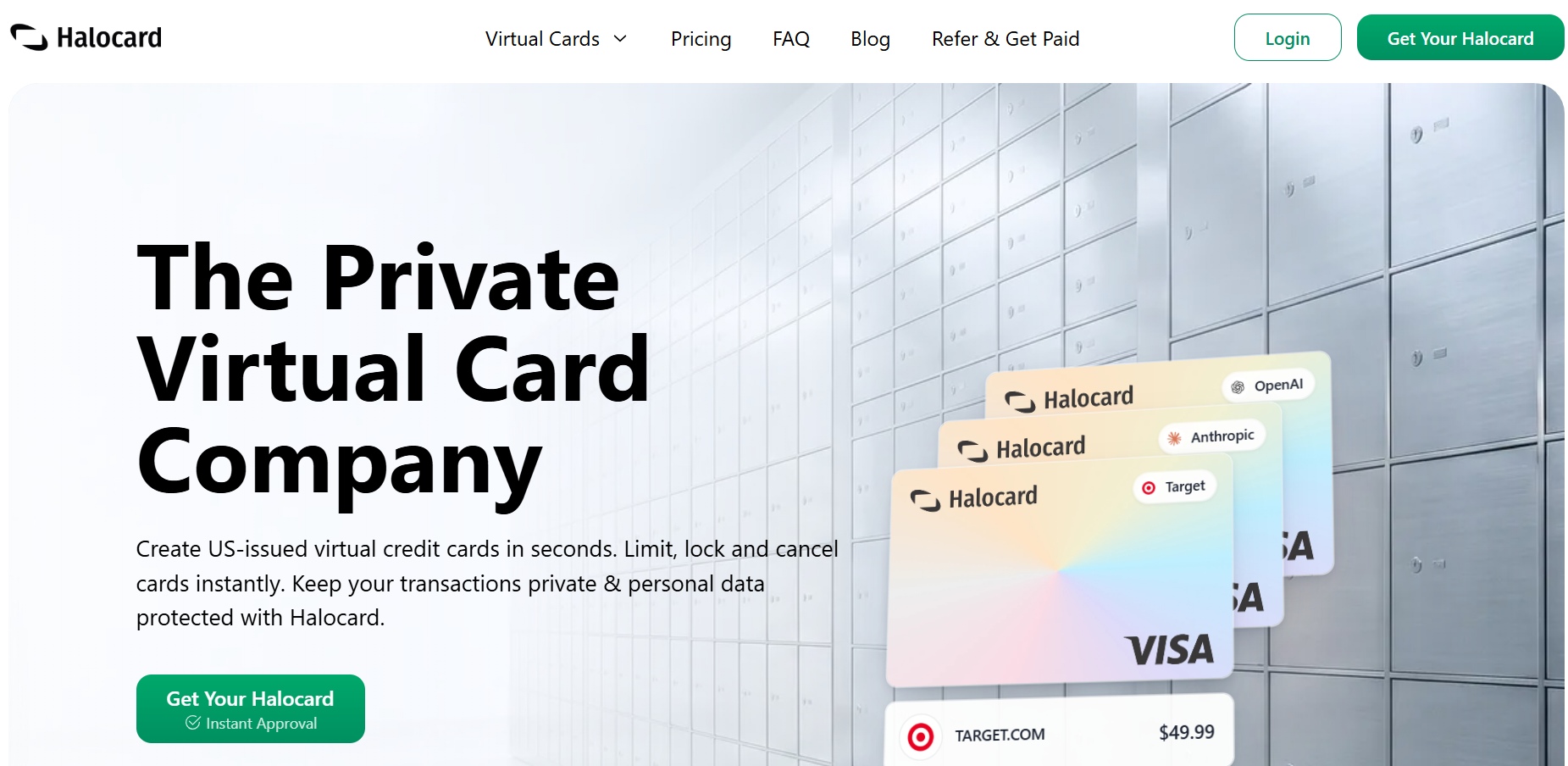
Halocard is a US-based fintech platform offering virtual payment cards, and it prioritizes privacy, security, and control rather than banking. Where Eno layers a virtual number onto a credit card you must already hold, Halocard issues standalone cards to anyone eligible.
How Halocard Works
You register in a browser with no app download, and verify with a passport or national ID in under three minutes, with no SSN needed for non-US residents. Phone numbers from any country are supported. Cards are issued through financial partners under Visa, carry 3D Secure by Visa, and work at over 175 million merchants. Customers can use Halocard for online and offline purchases via Apple Pay and Google Pay, so, unlike Eno, it works in store as well as online.
Halocard Costs & Fees
-
Essential: 3 virtual cards, $12/month or $144/year
-
Pro: 12 cards, $15/month or $180/year
-
Elite: 60 cards, $75/month or $900/year
-
Business plans from $29/month to $299/month
-
0% on USD purchases, 1.5% + $0.30 on non-USD
-
Funding: debit/credit card, Apple Pay, Google Pay, bank transfer, stablecoins, or crypto
Halocard Spending Limits and Funding
Halocard runs on money you deposit rather than a credit line, so there is no credit check. Users can load funds using cryptocurrency methods as well as card and bank transfer. Users can set spending limits on virtual credit cards here in a way Eno does not allow: per transaction, per day and per month on each merchant-specific virtual card, then freeze or cancel any single card without disturbing the others.
The reason this matters is measurable. Card fraud losses reached $33.41 billion worldwide in 2024, heading for $41.06 billion by 2030 per the Nilson Report, and FICO projects card-not-present losses near $49 billion globally by 2030. Security.org's 2026 research found 61.3 million Americans hit by fraudulent charges in a single year, only 5% involving a physically stolen card, with 51% of cardholders using one card for both autopay and everyday spending. Virtual credit cards enhance online payment security because they offer transaction anonymity for online purchases and protect primary account details during transactions.
Halocard Key Advantages
-
3 to 60 cards with no requirement to hold a Capital One or any other card first
-
A custom billing address on every card, which Eno does not offer
-
Genuine per-card spending limits and instant freeze
-
Available for customers in the US and 120+ countries, not just to US cardholders
-
Works online and in store through digital wallets, not only in a browser
-
Multiple funding methods including cryptocurrency
Halocard Specific Drawbacks
-
Not a bank: no checking account, no high yield savings account, no FDIC insurance
-
No APY, no rewards, no cashback, unlike Eno which earns your card's normal rewards
-
No cash deposits (Halocard balances can be withdrawn to a supported withdrawal method)
-
A monthly subscription rather than a free feature
-
1.5% + $0.30 on non-USD spending
Who Halocard Is Best For
Individuals and small businesses valuing privacy in transactions, media buyers running ad accounts, AI and cloud platform subscribers, and anyone who wanted Eno's benefit without holding a Capital One credit card. Halocard competes with Privacy.com, Revolut, Wise and others in the fintech space rather than with banks.
Why Someone Would Choose Halocard Over Capital One
Standalone cards needing no underlying credit card, a custom billing address per card, and real per-card limits. What you give up is the bank and the rewards, so most people keep a checking account and add Halocard as the card layer. Our guide to virtual cards with a US billing address covers why the address matters at checkout. See Halocard vs Capital One side by side.
2. Privacy.com
Privacy.com is the strongest free alternative to Eno for US residents, and the reference standard for merchant-locked cards.
How Privacy.com Works
US residents 18 and over link a checking account at any US bank or credit union, then create virtual cards that lock to a single merchant, close after one use, or carry custom limits. A browser extension autofills a fresh card at checkout, the same convenience Eno's extension provided until it ended on September 30, 2026, but without requiring a specific issuer's credit card.
Privacy.com Costs & Fees
-
Personal: free, up to 12 new cards a month
-
Plus $5, Pro $10, Premium $25 monthly for 24, 36 and 60 cards
-
3% foreign transaction fee on the free and Plus tiers, 0% on Pro and Premium
-
1% cashback on Pro and Premium up to $4,500 a month monthly
Privacy.com Spending Limits and Funding
Cards draw from your linked checking account rather than a loaded balance, with caps set per card and single-use cards closing automatically after the transaction.
Privacy.com Key Advantages
-
Genuinely free tier with 12 new cards monthly
-
Merchant locking, which Eno does not provide
-
Works with whatever bank you already use
Privacy.com Specific Drawbacks
-
US residents with a US bank account only
-
Funds via debit or bank account, so it earns no credit card rewards
-
3% FX on the lower tiers
-
Account closures without clear warning appear in reviews
Who Privacy.com Is Best For
US residents who want Eno-style cards without being tied to Capital One as their issuer.
Why Someone Would Choose Privacy.com Over Capital One
Free merchant-locked cards that work with any US bank, rather than requiring a Capital One credit card. See our best Privacy.com alternatives roundup.
3. Citi
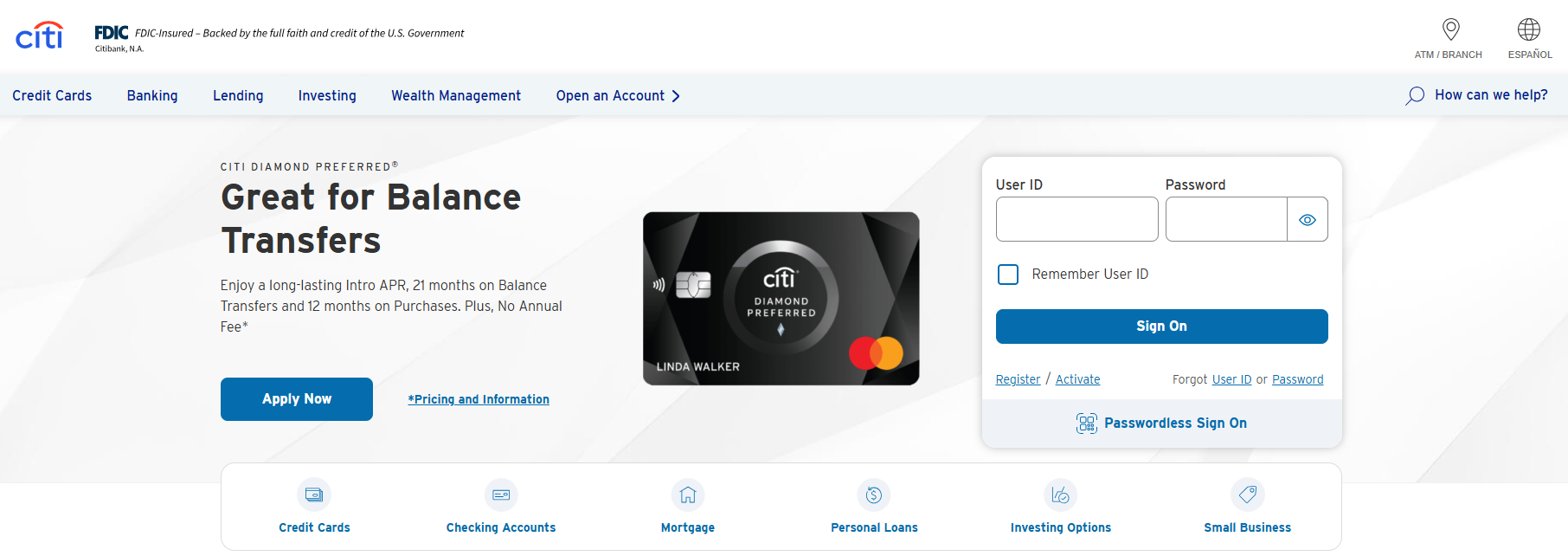
Citi is the only other major US issuer offering a complete consumer virtual card solution, making it the closest like-for-like swap if you want to stay with a large bank.
How Citi Works
Eligible Citi cardholders generate Virtual Account Numbers directly from the Citi website, receiving a temporary number to complete an online purchase. The virtual number is tied to your real Citi credit card account, so charges appear on your normal statement and earn your usual rewards.
Citi Costs & Fees
-
Free to eligible Citi cardholders
-
No separate fee for generating virtual account numbers
-
Rewards accrue as on the underlying card
Citi Spending Limits and Funding
Numbers draw against your existing Citi credit line rather than a loaded balance. Note that Virtual Account Numbers are available only on select Citi credit cards, not the full range.
Citi Key Advantages
-
A complete consumer virtual card solution from a major issuer
-
Earns the same rewards as the underlying Citi card
-
Generated online from your account rather than requiring a browser extension
-
Free for eligible cardholders
Citi Specific Drawbacks
-
Requires an eligible Citi credit card, and not all Citi cards qualify
-
No custom billing address and no independent per-card spending limit
-
US cardholders only
-
Tied to one issuer's ecosystem, exactly like Eno
Who Citi Is Best For
People who want Eno's model but prefer Citi as their card issuer, or who already hold an eligible Citi card.
Why Someone Would Choose Citi Over Capital One
If you already hold a Citi card, its Virtual Account Numbers give you the same benefit without opening a Capital One account. Functionally the two are near-identical, so this is an issuer preference rather than a capability upgrade.
4. American Express
American Express provides virtual card numbers through Google and Chrome integration, a different delivery model from Eno but aimed at the same problem.
How American Express Works
Eligible Amex cardholders enrol a card and generate virtual numbers through Amex Online and Google or Chrome integration, with dynamically changing security codes on some products. American Express provides multi-factor authentication for security across its accounts.
American Express Costs & Fees
-
Free to eligible cardholders
-
Rewards accrue as on the underlying Amex card
-
Premium Amex cards carry annual fees up to $895 or more
American Express Spending Limits and Funding
Virtual numbers draw against your existing Amex account. Multi-card generation with custom caps and expiry dates is a business and corporate feature rather than a consumer one.
American Express Key Advantages
-
Available across a range of Amex consumer cards
-
Dynamically changing security codes on supported products
-
Earns full Membership Rewards on virtual card spending
-
Strong security infrastructure including multi-factor authentication
American Express Specific Drawbacks
-
Requires an existing eligible Amex card
-
Delivery depends on Google and Chrome integration rather than a standalone dashboard
-
Enrolment routes card data through a Google account
-
Still runs on the Amex network, accepted less widely than Visa
Who American Express Is Best For
Existing Amex cardholders who want virtual numbers inside the ecosystem they already use.
Why Someone Would Choose Amex Over Capital One
Rewards on virtual card spending and dynamic security codes, though the Chrome dependency and narrower merchant acceptance are real trade-offs against Eno.
5. Chime
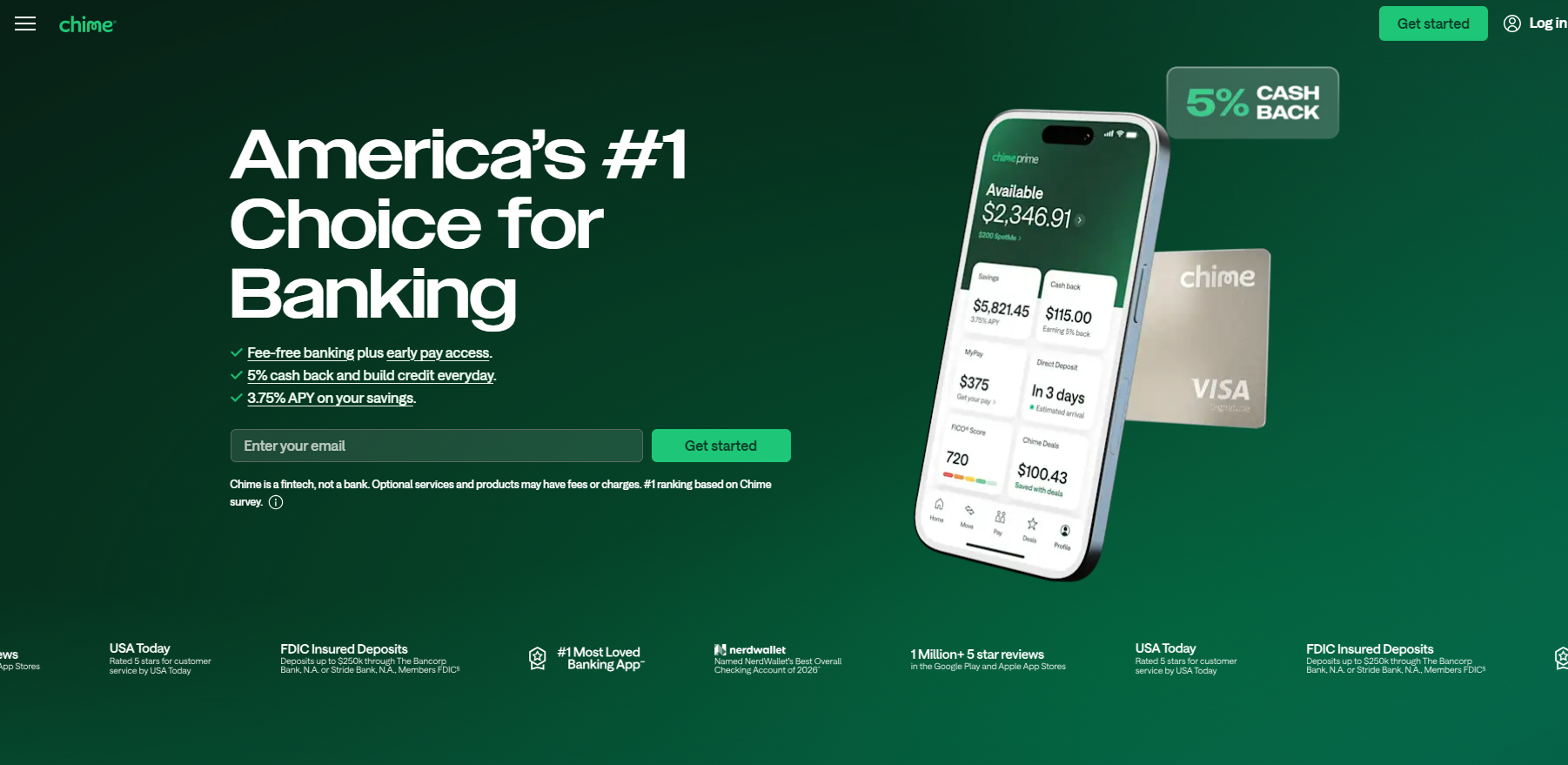
Chime is a financial technology company partnering with FDIC-insured financial institutions, and it issues an instant virtual debit card the moment your account opens.
How Chime Works
You open an account through its mobile banking app, and a virtual card is available immediately for online purchases before the physical card arrives. Direct deposit lands up to two days early, and Chime enables cash deposits at retailers like Walgreens and Duane Reade.
Chime Costs & Fees
-
No monthly fees, no minimum balance, no overdraft fees
-
Chime provides access to 47,000+ fee-free ATMs, by its own help centre's count, so check the current network in its ATM locator
-
SpotMe covers overdrafts up to $200 with no fees, starting at $20 and rising with account history
Chime Spending Limits and Funding
Funded by direct deposit, transfer, or cash deposit at partner retailers. The virtual card mirrors your debit card rather than functioning as a separate merchant-locked card.
Chime Key Advantages
-
Instant virtual debit card on account opening
-
Chime's SpotMe feature helps users avoid overdraft fees, covering up to $200
-
Cash deposits at major retail chains
-
No monthly maintenance fees or minimum balance requirements
Chime Specific Drawbacks
-
One virtual card mirroring your debit card, not multiple merchant-specific cards
-
No per-card spending limits or merchant locking
-
Not a bank itself; deposits sit at partner banks
-
Checking pays no interest
Who Chime Is Best For
People who want fee-free banking with a virtual card available from day one.
Why Someone Would Choose Chime Over Capital One
An instant virtual card with no credit card required, plus SpotMe overdraft coverage and retail cash deposits. It is a weaker privacy tool than Eno but a more accessible one.
6. SoFi
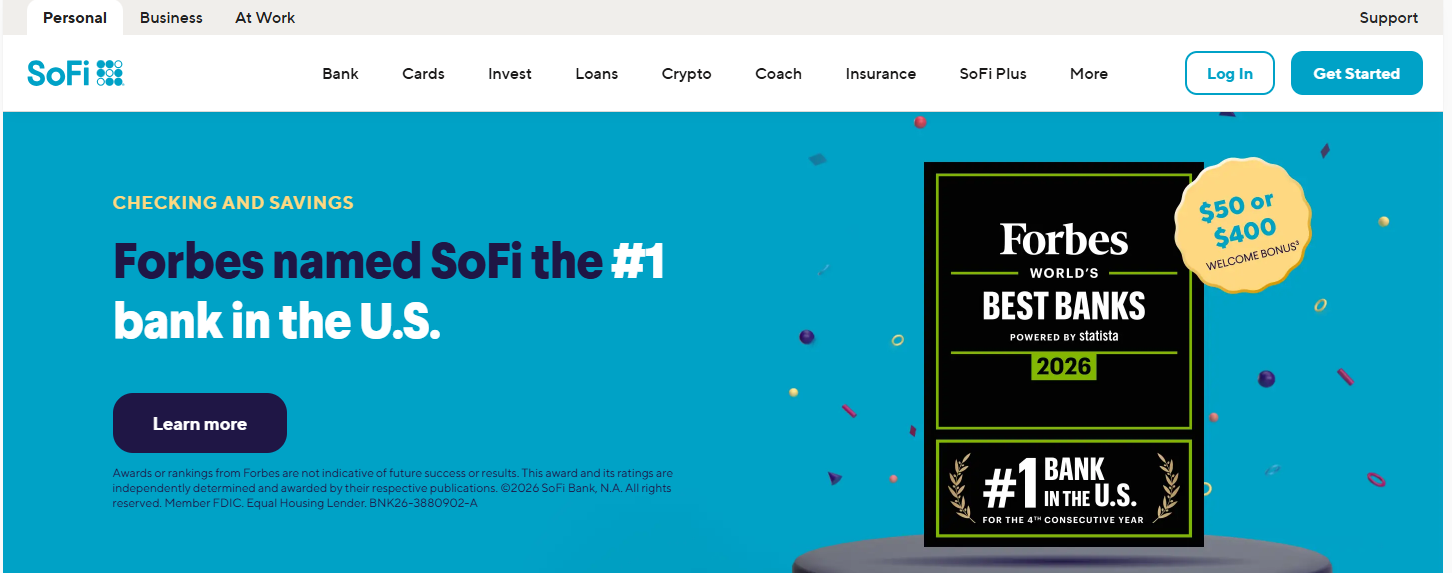
SoFi pairs the highest checking APY in this comparison with an instant virtual debit card, making it the strongest banking-plus-card combination here.
How SoFi Works
You open a combined checking and savings account and receive an instant virtual debit card in the app, usable straight away for online purchases. SoFi allows loading funds through direct deposit and mobile check deposits, and offers budgeting tools alongside its banking services.
SoFi Costs & Fees
-
No monthly fees and no minimum balance requirement
-
0.50% APY on checking balances, five times Capital One's 0.10%
-
Access to over 55,000 fee-free ATMs through Allpoint
-
Up to $3 million in deposit insurance through its program bank structure
SoFi Spending Limits and Funding
Funded by direct deposit, transfer, or mobile check deposit, with standard debit card limits rather than configurable per-card caps.
SoFi Key Advantages
-
Instant virtual debit card plus 0.50% APY on checking
-
Up to $3 million in deposit insurance via its program
-
Budgeting integration and real-time spending tracking
-
A full financial ecosystem including investing, personal loans, private student loans and student loan refinancing
SoFi Specific Drawbacks
-
One virtual card tied to the debit card, not multiple merchant-locked cards
-
No per-card spending limits
-
No branch access and no cash deposits
-
Investing involves risk, and investment products are not FDIC insured
Who SoFi Is Best For
Capital One customers who want far more interest and an instant virtual card in the same account.
Why Someone Would Choose SoFi Over Capital One
Five times the checking APY, higher deposit insurance, and a virtual card that needs no credit card underneath it.
7. Varo
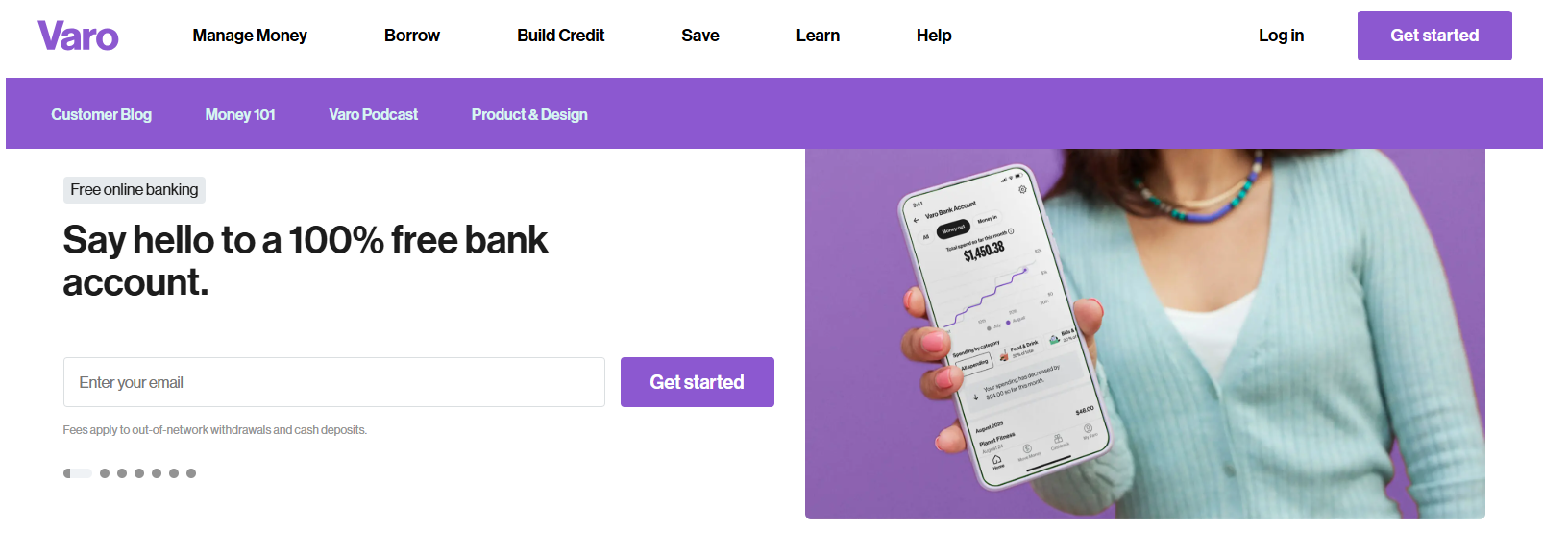
Varo is unusual among fintechs in holding an actual national bank charter, and it issues an instant virtual debit card on signup.
How Varo Works
You open an account in the app, receive an instant virtual card for immediate online use, and get a physical card by post. There is no minimum balance and no monthly fee.
Varo Costs & Fees
-
No monthly fees and no minimum balance requirements
-
Competitive savings APY on qualifying accounts
-
Fee-free ATMs through the Allpoint network
-
No overdraft fees, with a small advance feature on qualifying accounts
Varo Spending Limits and Funding
Funded by direct deposit or transfer, with standard debit limits rather than per-card configuration.
Varo Key Advantages
-
A genuine national bank charter, not a sponsor-bank partnership
-
Instant virtual debit card on opening
-
No monthly fees or minimum balance requirements
-
Accessible to people turned down elsewhere on banking history
Varo Specific Drawbacks
-
One virtual card, no merchant locking or per-card caps
-
No branch access
-
Fewer products than SoFi or Capital One
-
Best savings rates require qualifying direct deposits
Who Varo Is Best For
People who want charter-backed banking with an instant virtual card and no minimums.
Why Someone Would Choose Varo Over Capital One
A virtual card available immediately with no credit card requirement, plus no minimums and a real bank charter.
8. Current
Current builds budgeting into the account itself and provides a virtual card in-app, aimed at people who want spending controlled rather than merely tracked.
How Current Works
You open an account through the app and receive a virtual card usable immediately. Current uses savings pods and spending buckets to allocate money by purpose, so accounts with budgeting tools help track spending in real time rather than after the fact.
Current Costs & Fees
-
No monthly fees on the standard account
-
Fee-free ATMs through the Allpoint network
-
Overdraft coverage on qualifying accounts
-
Early direct deposit up to two days ahead
Current Spending Limits and Funding
Funded by direct deposit or transfer, with money allocated across pods that act as informal spending limits.
Current Key Advantages
-
Virtual card available instantly in the app
-
Budgeting integrated into the account structure
-
Early direct deposit and overdraft coverage
-
No monthly fees
Current Specific Drawbacks
-
One virtual card rather than merchant-specific cards
-
Partner-bank structure rather than its own charter
-
No per-card spending limits in the dedicated-provider sense
-
Limited product range
Who Current Is Best For
People whose main issue is overspending rather than fees, and who want the account structure to enforce a budget.
Why Someone Would Choose Current Over Capital One
Budgeting is the product rather than a feature, with an instant virtual card and no credit card required.
9. Cash App
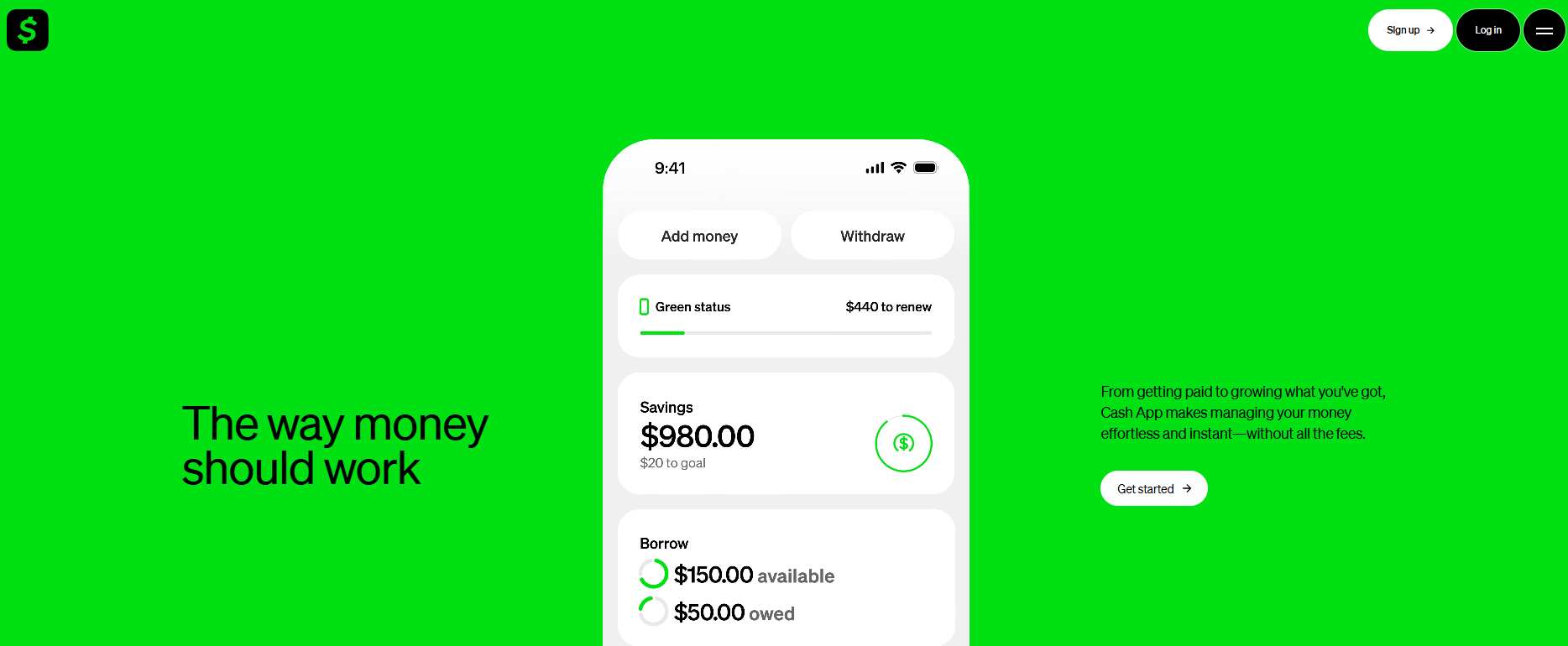
Cash App issues a virtual Cash Card usable immediately, making it one of the fastest routes to a virtual card for anyone already using it for peer payments.
How Cash App Works
Once you enable the Cash Card, a virtual version is available instantly in the app for online purchases, well before the physical card arrives. It draws on your Cash App balance rather than a linked credit line.
Cash App Costs & Fees
-
No monthly fee to hold a Cash App account or Cash Card
-
Instant transfers carry a fee; standard transfers are free
-
Boosts provide discounts at selected merchants
-
ATM withdrawals carry a fee, waived with qualifying direct deposits
Cash App Spending Limits and Funding
Funded from your Cash App balance, bank transfer or direct deposit, with limits tied to verification status.
Cash App Key Advantages
-
Instant virtual card with no separate application
-
No monthly fee
-
Boosts give real discounts at participating merchants
-
Useful if you already receive peer payments there
Cash App Specific Drawbacks
-
One virtual card, no merchant locking or per-card limits
-
Balances are not a substitute for a full bank account
-
ATM fees apply without qualifying direct deposits
-
Fewer consumer protections than a chartered bank account
Who Cash App Is Best For
Existing Cash App users who want a virtual card without opening anything new.
Why Someone Would Choose Cash App Over Capital One
Speed and simplicity, with a virtual card available in seconds and no credit card requirement.
10. Revolut
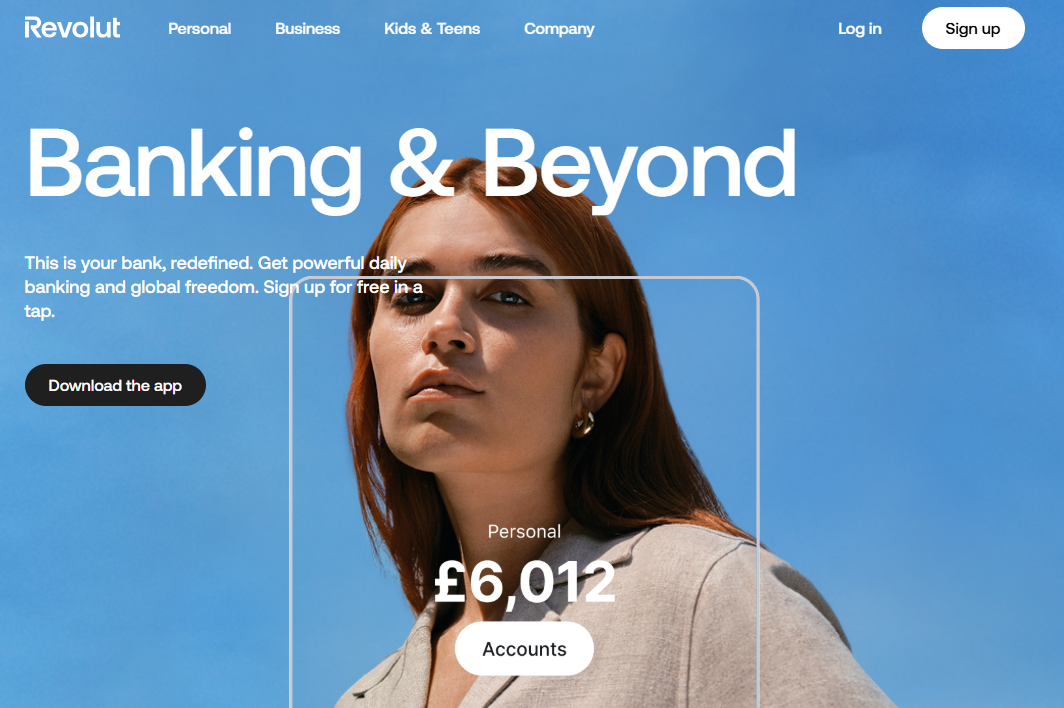
Revolut is the strongest option here for anyone whose spending crosses borders, combining virtual cards with genuine multi-currency support.
How Revolut Works
Standard and Plus users get one active multi-use virtual card, while Premium and Metal unlock up to five plus unlimited disposable virtual cards that regenerate details after each transaction. Revolut supports spending in 30+ currencies and became a licensed UK bank in March 2026.
Revolut Costs & Fees
-
Standard $0; Premium $9.99; Metal $16.99 monthly in the US
-
Weekday FX free within a plan allowance, then a markup
-
2% foreign ATM fee across plans
Revolut Spending Limits and Funding
Funded from a multi-currency balance, with custom monthly limits settable per card in security settings.
Revolut Key Advantages
-
Disposable virtual cards that change details after each transaction
-
30+ currencies for spending
-
Per-card spending limits, which most bank virtual cards lack
-
A free tier that includes one virtual card
Revolut Specific Drawbacks
-
Only one active virtual card on the free plan
-
No US-issued card for non-US users and no custom billing address
-
FX fees apply beyond the plan allowance
-
Account freezes during compliance review are a recurring complaint
Who Revolut Is Best For
Travellers and internationally active users wanting virtual cards plus currency flexibility.
Why Someone Would Choose Revolut Over Capital One
Disposable cards and multi-currency spending, neither of which Capital One offers. Our Revolut vs Wise vs Halocard piece breaks all three down together.
11. Wise
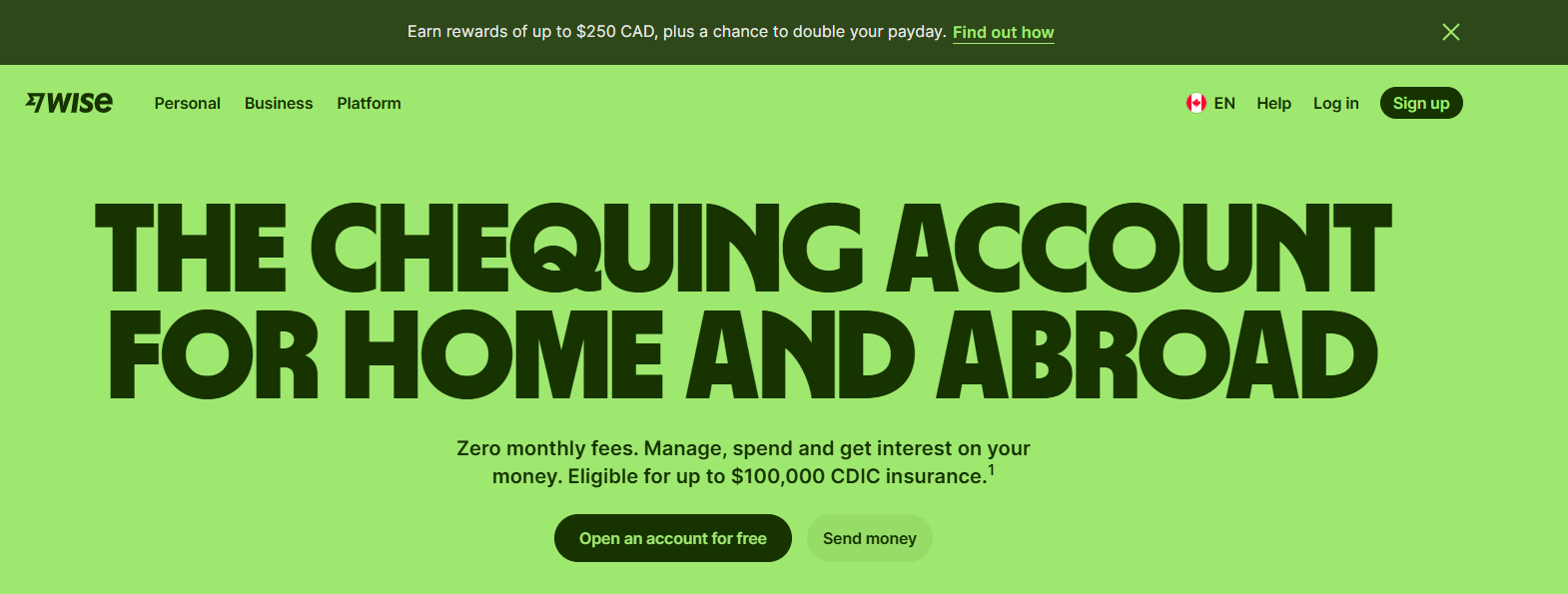
Wise is the specialist for international spending, holding 40+ currencies and settling at the mid market exchange rate.
How Wise Works
You open a multi-currency account with local bank details in several regions and issue up to three active digital cards. Conversions happen at the mid market rate with a visible fee rather than a hidden markup.
Wise Costs & Fees
-
No monthly account fees
-
One-time card issuance around $9 in the US
-
Transfer fees typically 0.33% to 1%
-
Free ATM withdrawals up to a monthly threshold
Wise Spending Limits and Funding
Balance-based across currencies, with auto-conversion at spend time when a currency balance is empty.
Wise Key Advantages
-
Up to three active digital cards, freezable instantly
-
40+ currencies held, far past anything Capital One offers
-
Transparent fees with no hidden markups
-
Local account details for receiving in several regions
Wise Specific Drawbacks
-
Only three digital cards with no per-card limits
-
Not a US bank and no substitute for a checking account
-
No credit product or rewards
-
No US billing address for non-US users
Who Wise Is Best For
Anyone whose spending crosses borders and who is losing money to conversion costs.
Why Someone Would Choose Wise Over Capital One
Genuinely transparent international pricing and 40+ currencies, where Capital One is built for domestic US banking.
12. US Unlocked
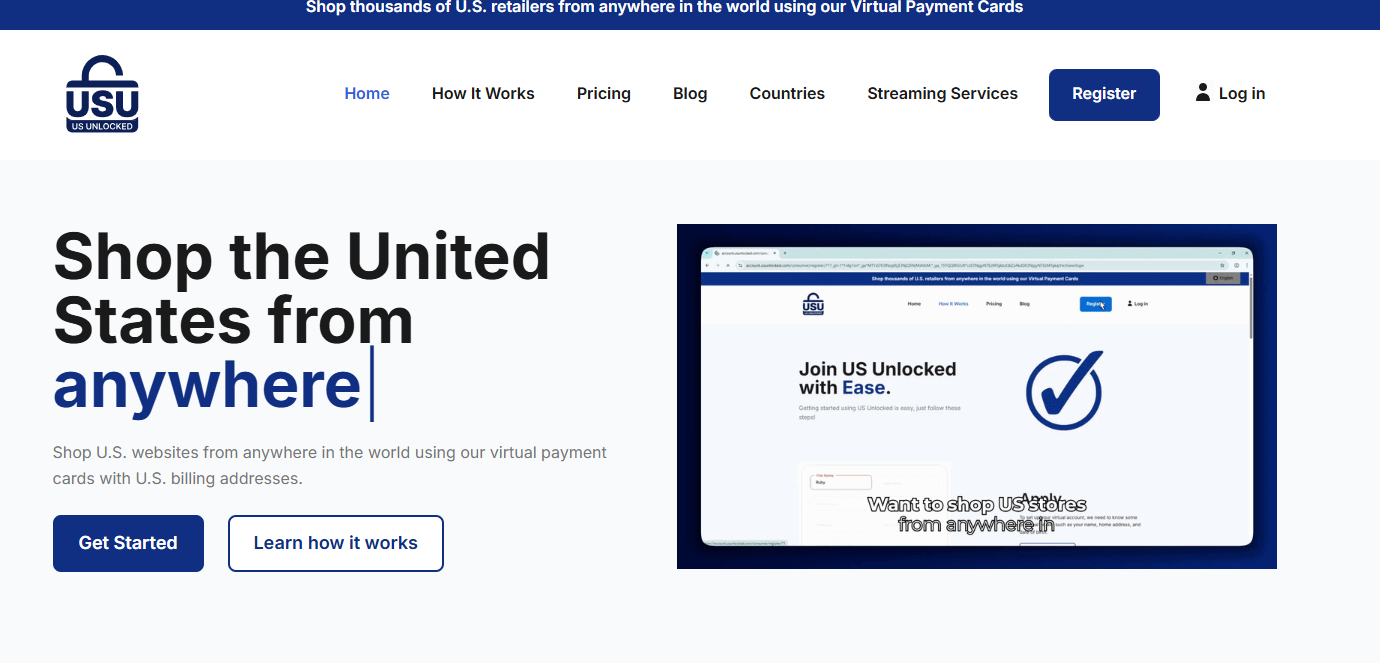
US Unlocked issues US virtual prepaid cards with a US billing address, which is the one thing Eno cannot provide to anyone outside the country.
How US Unlocked Works
You verify, load a USD wallet, and create Everyday Spend, Store Locked, or One-Time Use cards, each with its own number and a US billing address to clear address verification.
US Unlocked Costs & Fees
-
$4.95/month or $39.95/year
-
Load fees roughly 3% to 5%; crypto loads 2%
-
Balance capped near $3,000 to $3,500
-
3% non-USD transaction fee
US Unlocked Spending Limits and Funding
Prepaid, funded by crypto, card, Apple Pay, Google Pay or bank transfer, with store-locked cards restricting spend to one merchant.
US Unlocked Key Advantages
-
Store-locked and one-time cards, which Eno does not offer
-
A genuine US billing address for international users
-
Crypto funding available
-
No credit check
US Unlocked Specific Drawbacks
-
Load fees plus a balance cap make it expensive at volume
-
Account-review complaints while the subscription keeps billing
-
Load methods have been withdrawn for several countries
-
A Trustpilot score around 1.9/5
Who US Unlocked Is Best For
International shoppers who need US card credentials that Capital One cannot issue them.
Why Someone Would Choose US Unlocked Over Capital One
It serves non-US users entirely, which Eno cannot. See our Halocard vs US Unlocked comparison.
13. Payoneer
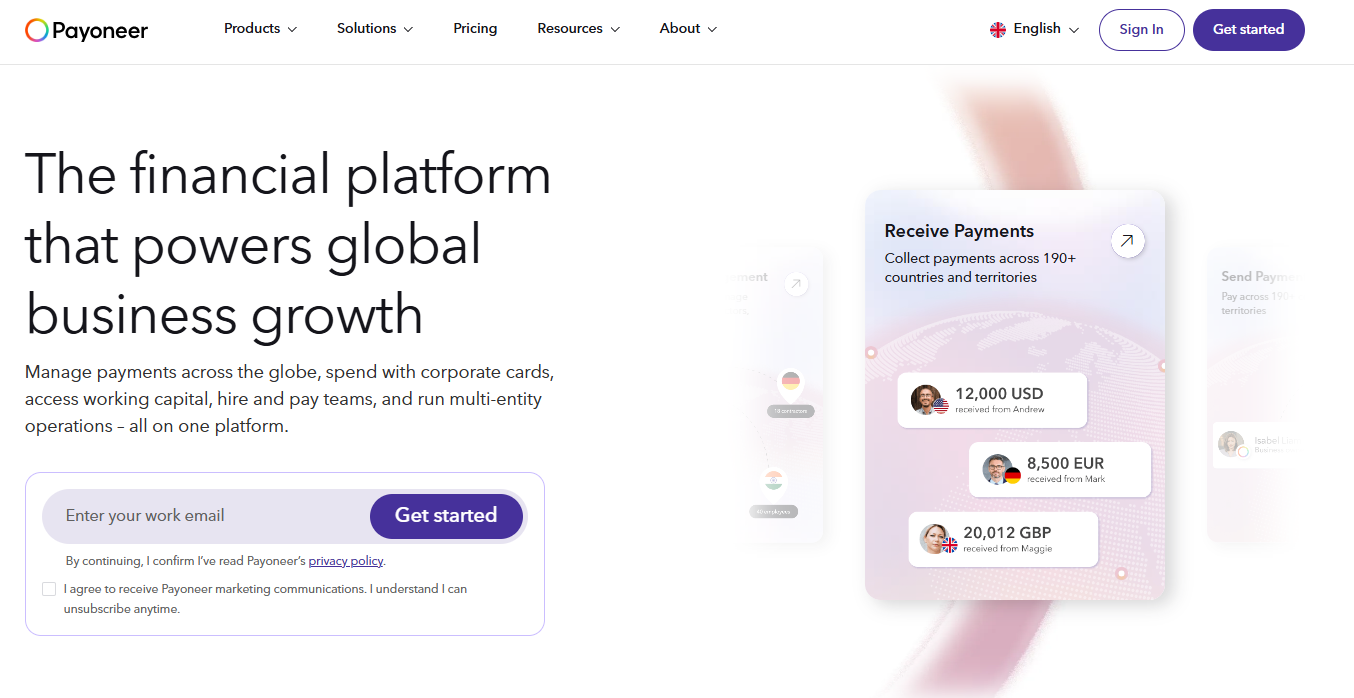
Payoneer offers virtual cards on a business payments account, aimed at freelancers and companies receiving international revenue.
How Payoneer Works
Eligible customers issue many virtual cards, spending directly from balances held in USD, EUR, GBP, CAD or JPY, with cards used for advertising, suppliers and subscriptions.
Payoneer Costs & Fees
-
$29.95 annual card fee; additional virtual cards free
-
Up to 1.8% without conversion, up to 3.5% with conversion
-
A separate $29.95 annual account fee if receiving under $6,000 in 12 months
Payoneer Spending Limits and Funding
Funded by incoming business payments, with high approved spending limits and no credit check.
Payoneer Key Advantages
-
Many virtual cards, with additional cards free
-
Built for receiving international client payments
-
High spending limits with no credit check
-
Accounting integrations including QuickBooks and Xero
Payoneer Specific Drawbacks
-
Business use only, not personal banking
-
Annual card and possible account fees
-
Conversion fees up to 3.5%
-
Trustpilot withholds a standard score after removing fake reviews
Who Payoneer Is Best For
Freelancers and businesses paid by overseas clients who want to spend those balances via cards.
Why Someone Would Choose Payoneer Over Capital One
Many virtual cards funded by international revenue, rather than one number tied to a domestic credit line.
14. Airwallex
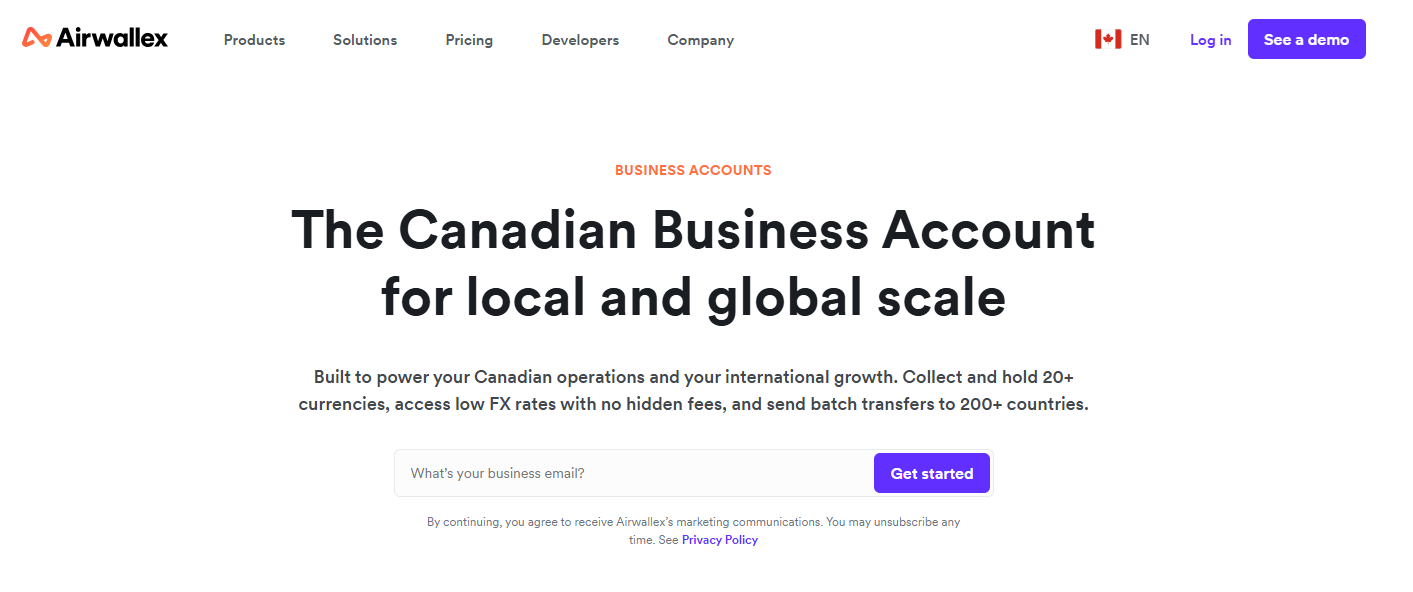
Airwallex is the strongest business platform here, issuing unlimited virtual corporate cards with genuine per-card controls.
How Airwallex Works
Businesses open Global Accounts with local details in 20+ currencies and issue unlimited virtual or physical Visa corporate cards, with approval workflows, per-card controls and accounting integrations.
Airwallex Costs & Fees
-
Explore plan free in the US, conditional elsewhere
-
Around $12 per active spend user monthly on higher tiers
-
FX 0.5% above interbank on major currencies, 1% on others
Airwallex Spending Limits and Funding
Limits are configured card by card and wallet by wallet, drawing on business balances rather than any credit line.
Airwallex Key Advantages
-
Unlimited virtual corporate cards with per-card controls
-
20+ currencies with local account details
-
Genuine expense management and approval workflows
-
150+ countries of reach
Airwallex Specific Drawbacks
-
Built for businesses, not personal use
-
Free access outside the US is conditional
-
Reports of account reviews and held funds
Who Airwallex Is Best For
Companies that have outgrown a Capital One business account and need many controlled cards.
Why Someone Would Choose Airwallex Over Capital One
Unlimited cards with real per-card limits and multi-currency accounts, where Capital One's business virtual cards are domestic and far more constrained.
15. Brex
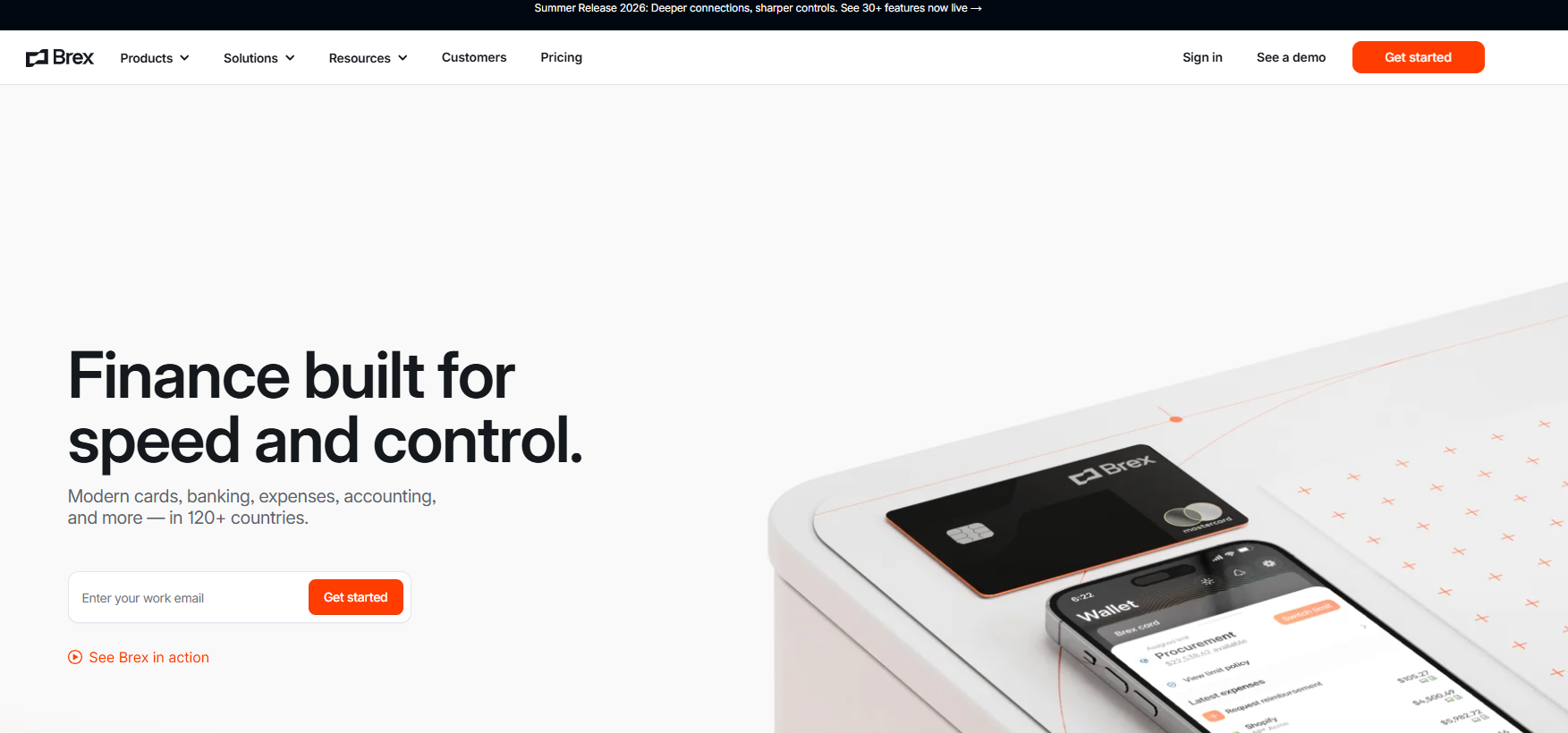
Brex issues unlimited virtual corporate cards on a Mastercard product built for startups and scaling companies.
How Brex Works
Business owners generate unlimited virtual cards from the Brex dashboard, assigning each to a vendor, subscription or team member with its own limit and expiry, with expenses flowing into integrated accounting.
Brex Costs & Fees
-
No annual card fee on the core product
-
Pricing scales with the software tier and company size
-
Rewards on qualifying business spend
Brex Spending Limits and Funding
Limits are set per card and per policy, drawing on a business balance or credit line depending on the product.
Brex Key Advantages
-
Unlimited virtual cards, one per vendor if you want
-
Per-card limits and expiry dates built in
-
Strong expense management and accounting integration
-
Designed for teams rather than individuals
Brex Specific Drawbacks
-
US businesses only, with eligibility requirements
-
Not available to consumers at all
-
Approval depends on company profile and funding
-
Overkill for a sole trader or personal use
Who Brex Is Best For
Startups and growing companies that need a card per vendor with controls attached.
Why Someone Would Choose Brex Over Capital One
Unlimited virtual cards with policy controls, where Capital One's business offering caps what you can generate and manage.
What Users Think About These Capital One Alternatives
Review scores move constantly, so weigh volume and recency alongside the number. Links go to the sources.
Capital One
Capital One holds a solid reputation for a large traditional bank, and Eno was genuinely well regarded as a browser tool. Reviewers consistently note it is free to any Capital One cardholder, generates merchant-specific numbers, and preserves the rewards on the underlying card.
The recurring criticisms are that it worked mainly through a desktop extension (ended September 30, 2026), requires the Capital One credit card to begin with, and offers no custom billing address or independent spending cap. On banking, the 0.10% checking APY draws steady criticism against online rivals.
Halocard
On Trustpilot Halocard sits at 4.2/5 (11 reviews), far too small a base to draw conclusions from, and we would rather flag that than dress it up. Reviewers mention a straightforward setup on GrapheneOS, support that replies, and charges going through on platforms where their home-country card had been refused. Price is the one persistent gripe.
Privacy.com
Privacy.com scores roughly 4.5/5 across 3,358 reviews, making it the best-rated card specialist in this comparison. Users single out merchant locking and per-card caps, while unexplained account closures and refunds to already-closed cards are the complaints that recur.
Citi and American Express
Both are large, established issuers with correspondingly mixed consumer reviews. Citi's Virtual Account Numbers are praised as one of only two complete consumer VCN solutions, with the main complaint being that eligibility is limited to select cards. Amex draws praise for rewards and security including multi-factor authentication, with the Chrome and Google dependency and narrower merchant acceptance the common criticisms.
Chime, SoFi, Varo, Current and Cash App
All five deliver an instant virtual card, and all five score well in US app stores for fee-free banking. SoFi won NerdWallet's 2026 Best Bank recognition for checking, and Chime took best overall checking account. The shared limitation is the same across them: one virtual card mirroring your debit card, with no merchant locking or per-card caps. Account closures and dispute handling are the most common complaints across the group.
Revolut, Wise, US Unlocked, Payoneer and Airwallex
Revolut sits around 4.7/5 across 470,000+ Trustpilot reviews, with compliance freezes the recurring complaint. Wise holds roughly 4.3/5 from 300,000+ reviews. US Unlocked sits near 1.9/5 with account-review complaints. Trustpilot withholds a standard Payoneer score after removing fake reviews, and Airwallex sits at 2.8/5 with held-funds reports.
How to Pair a Virtual Card With Your Bank Account
Most articles in this category treat banks and card platforms as competitors. They are not, and framing them that way leads people to the wrong setup.
Capital One gives you a checking account, FDIC insurance, ATM access and the ability to deposit cash. Halocard, Privacy.com and the other dedicated platforms are not banks and are not built to replace one. What they give you instead is a card layer you control merchant by merchant. The strongest setup for most people uses both.
Why the Bank Alone Leaves a Gap
When every subscription, free trial and unfamiliar merchant bills the same card, you have built a single point of failure. If one merchant is breached, you reissue the card your whole financial life depends on: every autopay, every saved checkout. Security.org's research found this is the norm, with 51% of cardholders using one card for both autopay and everyday spending, and Security.org's own guidance is to keep those two streams on different cards.
Eno addresses this partially, which is to Capital One's credit. But Eno numbers require the Capital One credit card, are now generated through the Capital One app, website or Google Pay autofill in Chrome (the desktop extension ended September 30, 2026), and cannot carry a spending cap independent of your credit line.
A Setup That Works
| Spending type | Use | Why |
|---|---|---|
| Salary, bills, cash withdrawals | Your bank account | FDIC insurance, ATM access, direct deposit |
| Savings and emergency fund | A high yield savings account | Earn real interest rather than 0.10% |
| Recurring subscriptions | One virtual card per service, capped | Cancel one card, not your main account |
| Free trials | A disposable or single-use card | Closes after use, no surprise renewal |
| Unfamiliar online merchants | A fresh card per merchant | A breach exposes a number that spends nowhere else |
| Ad platforms and business tools | A dedicated card per platform | Isolates spend and limits exposure |
The Best Sequence
1. Keep the bank that works. If Capital One handles your direct deposit and ATM access well, there may be no reason to move it. Shift the savings balance somewhere paying more and leave checking alone. You do not need to change everything at once.
2. Inventory what bills your current card. List every subscription before changing anything. Annual renewals need the new card in place ahead of the renewal date. Our guide to managing SaaS subscriptions with virtual cards covers a workable method.
3. Move the highest-risk spending first. Start with free trials, unfamiliar merchants and services that have been difficult to cancel. That is where a capped, cancellable card pays for itself immediately.
4. Set limits that match reality. A subscription card capped slightly above the monthly price means an unexpected increase fails loudly rather than passing unnoticed.
5. Leave the old card active for 30 days. Refunds route back to the card that made the purchase, and closing too early can strand them.
How to Get Halocard
If Eno left you wanting cards that do not require a Capital One credit card, that carry their own spending limits, and that work in store as well as online, Halocard is the most direct answer here.
It issues virtual cards under the Visa network through financial partners, each with per-transaction, daily and monthly spending limits, instant freeze, a billing address you nominate, and 3D Secure by Visa. Funding is by debit/credit card, Apple Pay, Google Pay, bank transfer, stablecoins, or crypto, and USD purchases carry no fee. Because it runs on deposited money rather than a credit line, there is no credit check.
For more, see the ultimate guide to virtual cards, our explainer on whether virtual credit cards are safe, the roundup of masked card services, and details on the cards and Halocard's privacy approach.
Step-by-Step
-
Open an account in your browser.
-
Pass the identity check using a passport or national ID, with no SSN needed outside the US.
-
Deposit funds via stablecoins, another cryptocurrency, a card, or a bank transfer.
-
Issue a card, assign its billing address and caps, and add it to Apple Pay or Google Pay.
-
Begin spending, then freeze or replace any individual card whenever you need to.
Frequently Asked Questions
What Are the Best Capital One Alternatives for Virtual Cards?
Halocard leads, offering 3 to 60 US-issued cards with per-card spending limits and a custom billing address, none of which requires holding another card. Privacy.com is the best free option for US residents thanks to merchant locking, and Citi is the closest major-issuer equivalent to Eno. Chime, SoFi, Varo, Current and Cash App all issue an instant virtual debit card, though each gives you one card rather than many.
Does Capital One Offer Virtual Cards?
Yes. Capital One's Eno creates merchant-specific virtual card numbers linked to your Capital One credit card, free to any Capital One cardholder, and purchases earn your normal rewards. The limits are that Eno requires an existing Capital One credit card, its desktop browser extension ended on September 30, 2026 so numbers now come from the Capital One app or website or Google Pay autofill in Chrome, it offers no custom billing address, and provides no spending cap independent of your credit line.
Which Banks Offer Virtual Card Numbers?
Among major US issuers, Capital One via Eno and Citi via Virtual Account Numbers are the two offering a complete consumer virtual card solution. American Express provides virtual numbers through Google and Chrome integration. Chase and Wells Fargo deliver tokenised numbers through digital wallets rather than a generate-on-demand button, and Bank of America discontinued its ShopSafe programme in 2019.
Do Online Banks Like Ally, Axos, NBKC or Discover Offer Virtual Cards?
Generally no, and this is worth knowing before you switch for the rates. Ally, Axos, NBKC and Discover offer excellent checking accounts with no monthly maintenance fees, competitive interest rates and strong ATM access, but none provides a virtual card programme. If you want both, pair one of those accounts with a dedicated card platform rather than expecting the bank to supply the card layer.
Is Alliant Credit Union a Good Capital One Alternative?
For banking, yes. Alliant Credit Union is member-owned, charges no monthly fees or overdraft fees, pays a competitive APY on High-Rate Checking with qualifying activity, and offers access to over 80,000 fee-free ATMs, more than Capital One's network. Like most credit unions, however, it does not issue virtual cards, so it solves the rates question rather than the privacy one.
Which Alternative Pays the Best Annual Percentage Yield APY?
Among the providers here that also issue virtual cards, SoFi leads with 0.50% APY on checking balances, five times Capital One 360 Checking's roughly 0.10% annual percentage yield. Varo and Current offer competitive savings rates on qualifying accounts. If maximising APY matters more than card controls, NBKC's Everything Account pays around 1.75% with no minimum balance requirement, though it has no virtual card.
What Is the Best High Yield Savings Account to Pair With a Virtual Card?
Since dedicated card platforms hold no savings, the sensible structure is a high yield savings account at one institution and a card platform at another. Ally offers Buckets for organising savings balances, Discover charges no fees on any deposit account, and SoFi provides up to $3 million in deposit insurance through its program bank structure. Rates change frequently, so compare current figures before moving money.
Can I Get a Virtual Card Without a Bank Account or Credit Check?
Yes. Halocard performs no credit check and needs no bank account, since it holds funds you deposit rather than extending credit. US Unlocked and Payoneer also skip the credit check. By contrast, Privacy.com requires a linked US checking account, and Eno, Citi VANs and Amex virtual numbers all require an existing credit card with that issuer.
Which Alternatives Let Me Set Spending Limits Per Card?
Halocard, Privacy.com, Revolut, Airwallex, Brex and Payoneer all support genuine per-card spending limits. This is the clearest dividing line in this comparison: bank-issued virtual cards from Chime, SoFi, Varo, Cash App and even Capital One's Eno generally mirror your existing account or credit line rather than carrying an independent cap you configure yourself.
Which Have the Best ATM Access and Where Can I Deposit Cash?
Capital One's 70,000+ fee-free ATMs are solid, and among alternatives with virtual cards, SoFi offers 55,000+ and Chime 47,000+. For depositing cash, Chime is the standout, enabling cash deposits at retailers like Walgreens and Duane Reade. Most other options here, dedicated card platforms like Halocard included, provide no way to deposit cash directly.
Are My Funds FDIC Insured With These Alternatives?
The banks here are FDIC insured up to $250,000 per depositor, and SoFi extends coverage up to $3 million through its program bank structure. Chime, Current and Cash App hold funds at FDIC-insured partner banks rather than being banks themselves. Halocard, Privacy.com, Wise, Revolut and US Unlocked are not US banks and provide no FDIC insurance on balances, so treat funds there as spending money rather than savings.
Do Any Alternatives Offer Branch Access?
Almost none. Capital One is unusual among modern options in providing physical locations through its Cafés, and among everything listed here, no dedicated virtual card platform has branches at all. If in-person service matters, keep a traditional bank or credit union for that and add a card platform separately rather than trying to find one provider that does both.
Which Virtual Cards Work Best for Business Accounts?
Airwallex and Brex both issue unlimited virtual corporate cards with per-card limits, approval workflows and accounting integrations, and Payoneer provides many virtual cards funded by international business revenue. Halocard offers business plans from $29 per month supporting 30 to 500 cards across multiple users. Capital One's business virtual cards are more constrained than any of these.
Why Do Capital One Customers Look for Alternatives?
Three reasons dominate. Eno requires an existing Capital One credit card, so it is unavailable to anyone who banks there but carries a different card. It has no custom billing address and no independent per-card spending limit, which the dedicated platforms all provide. And on the banking side, 0.10% APY on checking now trails online banks substantially. Capital One remains a well-run institution, so this is about optimising specific pieces rather than replacing everything.
Sources
-
Trustpilot. Halocard Reviews
-
Nilson Report. Global Card Fraud Losses at $33 Billion
-
FICO. Card-Not-Present Fraud Remains a Leading Concern
-
Security.org. 2026 Credit Card Fraud Report
-
FDIC. Deposit Insurance
-
Capital One. Eno Virtual Card Numbers
-
Capital One. 360 Checking
-
WalletHub. What Is a Virtual Credit Card?
-
CNBC Select. Best Virtual Credit Cards
-
Upgraded Points. Best Virtual Credit Cards
-
CardRates. Best Virtual Credit Cards
-
Doctor of Credit. List of Banks Offering Virtual Account Numbers
-
Finder. Virtual Debit Cards: Options and How They Work
-
Firstcard. Virtual Cards for Online Payment
-
NerdWallet. Best Online Checking Accounts
-
CNBC Select. Best No-Fee Checking Accounts
-
Chime. Banks With No Overdraft Fees
-
Citi. Virtual Account Numbers
-
American Express. Virtual Card Numbers
-
Chime. Homepage
-
SoFi. Checking and Savings
-
Varo. Homepage
-
Current. Homepage
-
Cash App. Cash Card
-
Privacy.com. Virtual Cards
-
Trustpilot. Privacy.com Reviews
-
Revolut. Plans and Pricing
-
Trustpilot. Revolut Reviews
-
Wise. Multi-Currency Account and Card
-
Trustpilot. Wise Reviews
-
US Unlocked. Homepage
-
Payoneer. Commercial Card
-
Trustpilot. Payoneer Reviews
-
Airwallex. Corporate Cards and Pricing
-
Trustpilot. Airwallex Reviews
-
Brex. Corporate Card
-
Alliant Credit Union. High-Rate Checking
-
Ally Bank. Spending Account
-
Axos Bank. Checking Accounts
-
NBKC Bank. Everything Account
-
Discover Bank. Cashback Debit
Sourced September 13, 2026
*Please see Halocard's Terms of Service or Pricing for the most up to date pricing and fee information. This publication is provided for general information purposes and does not constitute legal, tax or other professional advice from Halocard LLC or its subsidiaries and its affiliates, and it is not intended as a substitute for obtaining advice from a financial advisor or any other professional. We make no representations, warranties or guarantees, whether expressed or implied, that the content in the publication is accurate, complete or up to date.
Halocard Virtual Cards


Instant approval
Create your first card in under 5 minutes.

Private purchases
Purchases never appear on your bank account.

Powered by Visa
Accepted at 175M+ merchants globally.
3 steps to create your virtual credit card

1. Sign up
Create your account from a web browser. No need to download an app.

2. Verify
Verify you're a real person in 3 minutes, from the US or any of 120+ countries.

3. Fund
Add funds by debit/credit card, Apple Pay, Google Pay, bank transfer, stablecoins, or crypto.

Pay with Halocard
Pay online and in-person wherever Visa is accepted. You can also order a physical Halocard if you prefer.