

Quick Answer: If virtual cards are what you actually need, Halocard is the strongest N26 alternative: reloadable US-issued virtual Visa cards in 120+ countries, with per-card spending limits and a custom billing address, versus N26's cap of six virtual Mastercards tied to a European account. Revolut and Wise win on international payments, Vivid and Qonto are the better business banking picks, and Privacy.com covers US card privacy.
N26 is a licensed German bank offering current accounts, savings, sub-accounts and up to six virtual cards through one app. It is a solid online bank for everyday European use, but three limits push people to look elsewhere: virtual cards max out at six, availability stops at the European Economic Area, and cashback is a thin 0.1% on the Standard plan. For businesses the ceiling arrives faster still, since the free N26 business account is restricted to sole traders and freelancers.
Its reputation is also more divided than the headline suggests. N26 holds about 4.2/5 across roughly 43,100 Trustpilot reviews, but 23% of those sit at one star, and the recurring theme is frozen accounts during compliance checks. This guide compares 16 alternatives, every one of which issues virtual cards in some form, weighted toward dedicated card providers since that is the feature most people are trying to replace.
Key Takeaways
-
Halocard is the best N26 alternative for virtual cards. Up to 60 reloadable US-issued Visa cards versus N26's six, in 120+ countries, with 0% fees on USD purchases and a custom billing address per card.
-
Pick by the job, not the brand. Revolut and Wise lead on international payments and currency exchange, Vivid and Qonto on business banking with DATEV, Privacy.com on US merchant-locked cards, and Chime or Varo on fee-free US current accounts.
-
N26's virtual card ceiling is the real constraint. Six cards, EEA residents only, and no custom billing address, which is why anyone running many merchant-specific cards outgrows it quickly.
-
Card fraud is why per-merchant cards matter. Global card fraud losses hit $33.41 billion in 2024 and are projected to reach $41.06 billion by 2030, with card-not-present fraud the dominant channel.
-
Cashback and accounting are where rivals beat N26 outright. N26 pays 0.1% on Standard, while Vivid pays up to 1% with no monthly limit, and N26 lacks the native DATEV interface that Vivid and Qonto offer.
Quick Comparison Table
| Provider | Type | Availability | Virtual Cards | Key Pricing | Best For |
|---|---|---|---|---|---|
| Halocard | Virtual card platform | 120+ countries; minimal KYC | 3 to 60, reloadable, per-card limits | $12–$75/mo; 0% USD, 1.5% + $0.30 non-USD | Virtual cards built for privacy |
| Revolut | Multi-currency account + cards | UK, EEA, US and more | Up to 20 active, plus disposable | $0–$16.99/mo | Multi-currency spending and disposable cards |
| Wise | Multi-currency account + card | Broad international | Multiple virtual cards | No monthly fee; card ~$9 | International payments and currency exchange |
| Vivid | Business account + investing | Europe | Cards with cashback | From €0/mo | Cashback and investing in one app |
| Qonto | Business banking | Europe, German IBAN | Team cards, spend management | Free Starter; paid from €9/mo | Accounting-led business banking |
| bunq | Licensed EU bank | ~30 EU/EEA plus UK | Up to 25 on higher plans | €0–€18.99/mo | Sub-accounts and flexible pots |
| Finom | Business account + invoicing | Europe | Cards with cashback from Basic | Free Solo tier; paid plans above | Invoicing-heavy small businesses |
| MySudo | Privacy app with virtual cards | US card users | One card per identity, US merchants | $1.99–$14.99/mo | Cards bundled with masked contact details |
| SiraPay | Privacy-first virtual cards | Claims 150+ countries | Several low-KYC cards | Free plan; $0.99/mo or $4.99/yr | Cheap crypto-funded private cards |
| Starling Bank | Licensed UK bank | UK residents | Virtual cards on some accounts | Free personal current accounts | UK digital banking |
| Privacy.com | US virtual payment cards | US residents with a US bank | Merchant-locked, one-time | $0–$25/mo | US card privacy |
| RedotPay | Crypto-funded card | 100+ countries | Reloadable virtual and physical | $10 virtual; Pro $12.90/mo | Crypto and stablecoin spenders |
| Chime | US neobank | US residents | Virtual card in app | No monthly fee | Fee-free US banking |
| Varo | US neobank | US residents | Virtual card in app | No monthly fees or minimums | US banking with no minimum balance |
| Payoneer | Business payments platform | Broad international | Many virtual cards | $29.95/yr card fee | Cross-border business earnings |
| Airwallex | Business multi-currency platform | Businesses in 69 countries | Unlimited corporate cards | Explore $0; user fees above | Global business spend management |
Best N26 Alternatives for Virtual Cards and Digital Banking
Below are the 16 best alternatives to N26, starting with the strongest virtual card provider, then working through multi-currency accounts, European business banking, privacy-first card services, and US neobanks.
1. Halocard
Halocard is a virtual card platform rather than a bank, and that focus is the point. Where N26 treats virtual cards as one feature of a current account and caps you at six, Halocard's entire product is the card: up to 60 reloadable US-issued Visa cards, each with its own spending limits, security code and billing address. See Halocard vs N26 side by side.
How Halocard Works
You register in a browser, verify with a passport or national ID in under three minutes with no SSN for non-US residents, then generate cards from the dashboard. Cards are issued through financial partners under Visa and carry 3D Secure by Visa, adding a verification layer online. They work at more than 175 million merchants and can be added to Apple Pay and Google Pay, so digital wallets cover in-person spending while merchant-specific virtual cards cover the online side.
Halocard Costs & Fees
-
Essential: 3 virtual cards for $12/month or $144/year
-
Pro: 12 cards for $15/month or $180/year
-
Elite: 60 cards for $75/month or $900/year
-
Business plans from $29/month up to $299/month
-
0% on USD online purchases; 1.5% + $0.30 on non-USD
-
Funding: debit/credit card, Apple Pay, Google Pay, bank transfer, stablecoins, or crypto
Halocard Spending Limits and Funding
Halocard runs on money you deposit rather than a credit line, so there is no credit check and no lending relationship. Loading funds through multiple methods, including cryptocurrency, is supported, and you set spending limits per transaction, per day and per month on each card, then freeze or cancel any one without disturbing the rest.
This is where the privacy case gets concrete. Payment card fraud losses worldwide reached $33.41 billion in 2024 and are projected to hit $41.06 billion by 2030, according to the Nilson Report, and card-not-present fraud is the channel driving it, with FICO projecting CNP losses of roughly $49 billion globally by 2030.
A separate Security.org study found 62 million Americans experienced credit card fraud in a single year. A dedicated card per merchant means a breach at one retailer exposes a number that spends nowhere else, which is the practical answer to those numbers, and it is exactly what N26's six-card ceiling makes hard to do at scale.
Halocard Key Advantages
-
Up to 60 reloadable cards, versus six at N26
-
Available in 120+ countries with minimal KYC, not just Europe
-
A custom billing address on every card, which N26 does not offer
-
0% on USD purchases
-
Per-card spending limits and instant freeze for genuine spend control
-
Online payment privacy as the product focus, not a side feature
Halocard Specific Drawbacks
-
Not a bank: no savings, loans or deposit guarantee
-
No cashback, investments or interest
-
A monthly fee rather than a permanent free tier, though Essential is free with 3 referrals
Who Halocard Is Best For
Freelancers, media buyers, SaaS and AI-tool subscribers, and anyone whose reason for using N26 was the virtual cards rather than the banking, as our guide to virtual cards with a US billing address explains.
Why Someone Would Choose Halocard Over N26
Three things N26 cannot match: ten times the card count, availability well beyond Europe, and a custom billing address per card that clears US checkout checks a German-issued Mastercard fails. You give up the bank account, so many people run Halocard alongside a current account. Our best virtual card providers roundup puts it in context.
2. Revolut
Revolut is the closest like-for-like N26 alternative, combining a multi-currency account, currency exchange, budgeting tools and both standard and disposable virtual cards inside one app.
How Revolut Works
You open an account in minutes, hold and exchange 30+ currencies at interbank rates, and create up to 20 active virtual cards plus a single-use disposable card that regenerates after each purchase. Revolut supports spending in around 140, far past what N26 handles.
Revolut Costs & Fees
-
Standard $0/month; Premium $9.99; Metal $16.99
-
The standard plan does not include cashback
-
Currency exchange free to a monthly allowance, then a small percentage
-
Card funding up to 1% to 3%
Revolut Spending Limits and Funding
Spending draws from your balance across currencies, with the app picking the right pot. Disposable cards suit one-off purchases but cannot handle recurring billing.
Revolut Key Advantages
-
Up to 20 virtual cards on a free plan, more than triple N26's six
-
30+ currencies at interbank rates and spending abroad in around 140 local currencies
-
Disposable single-use cards
Revolut Specific Drawbacks
-
No cashback on the standard plan
-
Features and pricing vary considerably by country
-
Not a US-issued card, so US billing-address checks still fail
Who Revolut Is Best For
Travellers and internationally active customers who want currency exchange and disposable cards together.
Why Someone Would Choose Revolut Over N26
More virtual cards, far broader currency support and a disposable card option, all on a free tier. The trade-off is that N26 is a licensed German bank with a €100,000 deposit guarantee, while Revolut's protections vary by region.
3. Wise
Wise is the specialist for international payments, holding and exchanging 40+ currencies and sending money to 140+ countries at the mid-market rate.
How Wise Works
You open a multi-currency account with local bank details in several regions, then issue virtual and physical debit cards spending in 160+ countries with automatic conversion, at exchange rates shown with a visible fee rather than a hidden markup.
Wise Costs & Fees
-
No monthly fee
-
One-time card issuance, roughly $9 in the US, varying by region
-
Transfer fees typically 0.33% to 1.0%
-
Free ATM withdrawals up to a monthly threshold, then a small charge
Wise Spending Limits and Funding
Balance-based, funded from your own currencies, with multiple virtual cards you can freeze instantly.
Wise Key Advantages
-
40+ currencies held and exchanged, well past N26's limited set
-
Payments to 140+ countries at genuinely transparent exchange rates
-
No monthly fee at all
Wise Specific Drawbacks
-
Not a bank, so no deposit guarantee in the N26 sense
-
No credit, lending or overdraft
-
No cashback or investments
Who Wise Is Best For
Anyone whose main frustration with N26 was currency limits or the cost of international payments.
Why Someone Would Choose Wise Over N26
N26 supports several currencies but with real limitations; Wise is built for exactly this job and charges no monthly fee, though it gives up the current-account features a bank provides.
4. Vivid
Vivid is an e money institution offering a business account that bundles cashback, investing and sub-accounts, positioning itself directly against N26 for European small businesses. For a company weighing more features against a lower price, it is the most direct N26 challenger here.
How Vivid Works
You open a business account with a German IBAN, spend on cards, and invest from the account into stocks, ETFs and funds. Sub-accounts each get their own IBAN, and a DATEV interface plus invoicing tools keep receipts and accounting together.
Vivid Costs & Fees
-
Plans starting from €0/month
-
Up to 1% cashback on all purchases with no monthly limit, depending on plan
-
Up to 10% cashback in selected categories
-
Investing and interest products provided through Vivid Money B.V.
Vivid Spending Limits and Funding
Funded from your business balance, with cards, sub-accounts and investing together. As with any investing product, capital is at risk, the value of an investment can fall as well as rise, and past performance is not an indicator of future results.
Vivid Key Advantages
-
Cashback up to 1% with no monthly limit, versus N26's 0.1% on Standard
-
Open to a GmbH and UG, not just sole traders
-
A direct DATEV connection for accounting integration
Vivid Specific Drawbacks
-
An e money institution, so balances are safeguarded rather than covered by a statutory deposit guarantee
-
Europe-focused, with no US card option
-
Investment products carry risk, including the possibility of total loss
Who Vivid Is Best For
European small businesses that want cashback, investing and accounting in one app rather than three.
Why Someone Would Choose Vivid Over N26
The free N26 business account is limited to sole traders and freelancers, while Vivid is open to a GmbH or UG, pays far better cashback, and offers the native DATEV interface N26 lacks.
Vivid holds a strong 4.7 out of 5 from around 29,000 reviews on Trustpilot.
5. Qonto
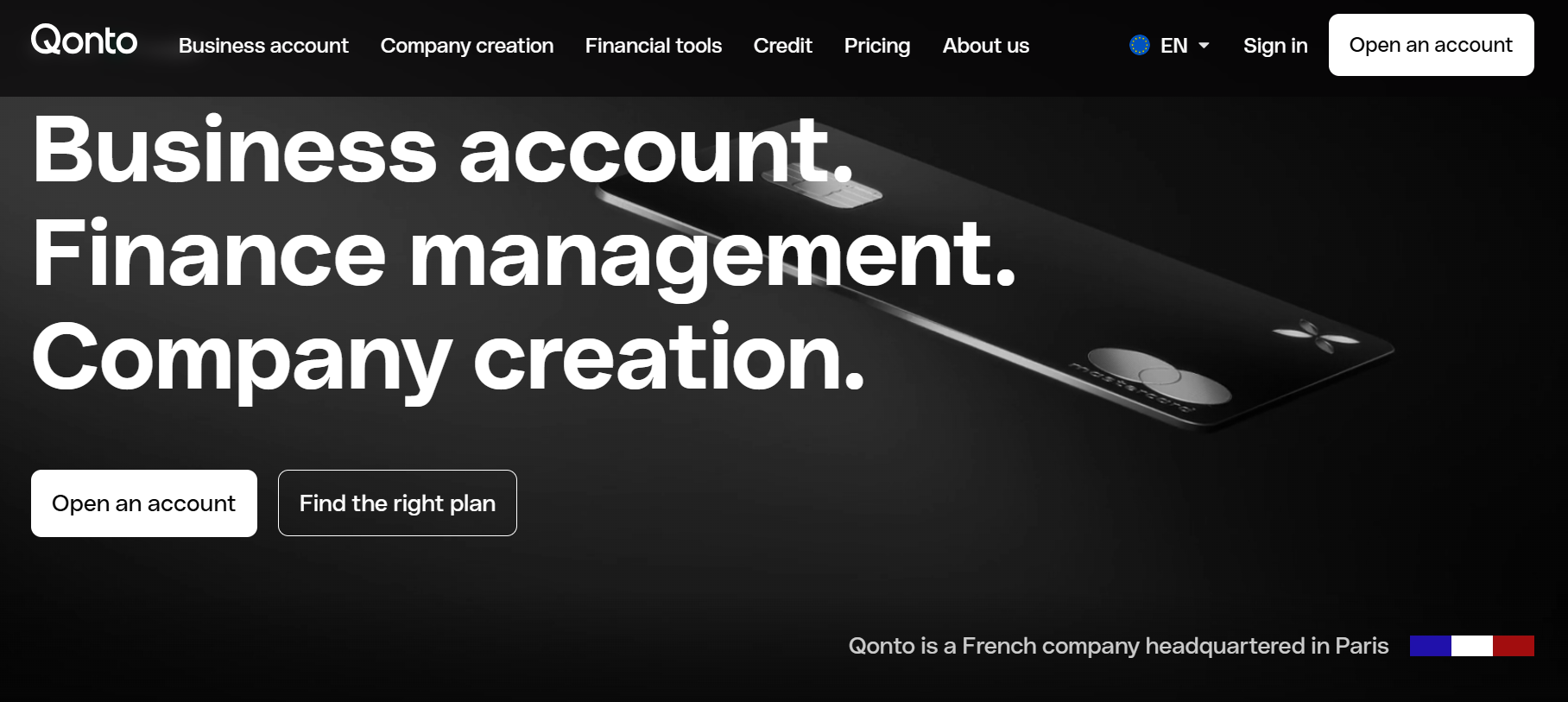
Qonto is a payment institution built around business banking and accounting, with a German IBAN on every plan and deep integration into the tools an accountant expects.
How Qonto Works
You open a business account, issue One Card Mastercards to your team with roles and permissions, and run spend management with approval workflows. DATEV and Lexoffice integrations push transactions into accounting with minimal paperwork.
Qonto Costs & Fees
-
A free Starter plan, with paid plans from around €9/month
-
No cashback on the base account, though the Plus and X cards add some
-
A money market fund is available, but no stocks or ETF portfolio
Qonto Spending Limits and Funding
Card limits and approvals are configured per team member, funded from the business balance in euros.
Qonto Key Advantages
-
DATEV integration for seamless accounting processes
-
German IBAN across all plans
-
Strong team roles and spend management
Qonto Specific Drawbacks
-
The account holds euros alone, so no multi-currency
-
Paid plans start from the first tier above Starter
-
No stocks or ETF investing, only a money market fund
Who Qonto Is Best For
European businesses where accounting and team spend management matter more than card count.
Why Someone Would Choose Qonto Over N26
Better accounting integration, stronger team controls and a German IBAN on every plan, though you lose multi-currency and the deposit guarantee that comes with N26 being a licensed bank.
6. bunq
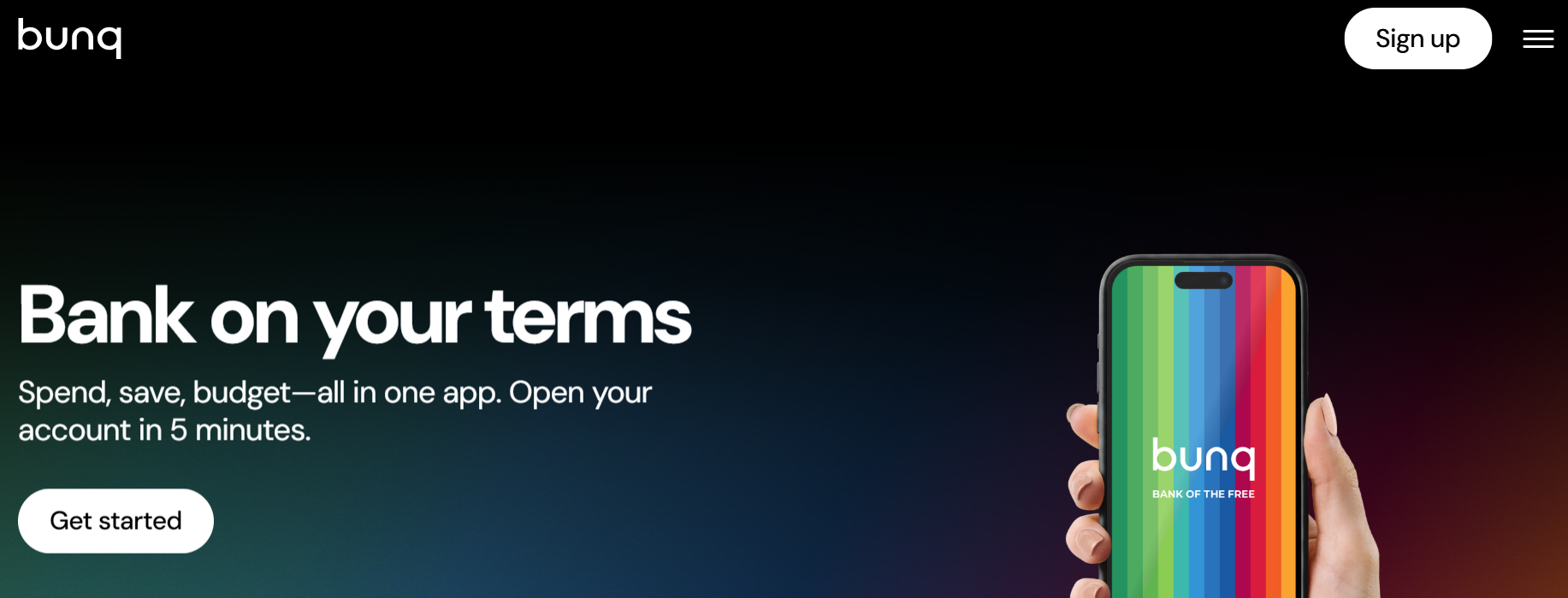
bunq is a licensed Dutch bank operating across roughly 30 EU and EEA countries plus the UK, best known for sub-accounts and a generous card allowance on higher plans.
How bunq Works
You open an account and create digital Mastercards, up to 25 on Pro and Elite plans against N26's six, with a rotating CVC refreshing as often as every five minutes. Cards link to sub-accounts, capping exposure to that pot.
bunq Costs & Fees
-
Free plan at €0; Core €3.99; Pro €9.99; Elite €18.99
-
An extra pack of 25 cards for €19.99/month, up to 100 total
-
Deposit protection up to €100,000
bunq Spending Limits and Funding
Cards spend from linked sub-accounts, which acts as a natural limit, and can be created or cancelled instantly in the app.
bunq Key Advantages
-
Up to 25 digital cards, far past N26's ceiling
-
A rotating CVC that refreshes frequently, a genuine security feature
-
Sub-accounts with their own IBANs
bunq Specific Drawbacks
-
Card count is gated behind the pricier plans
-
Europe and UK only
-
A Trustpilot rating of 3.7/5 with complaints that cluster on support
Who bunq Is Best For
Europeans who run many pots in parallel and want more cards than N26 allows.
Why Someone Would Choose bunq Over N26
Four times the virtual cards, a rotating CVC, and more flexible sub-accounts, while keeping the licensed-bank protections N26 also offers.
7. Finom
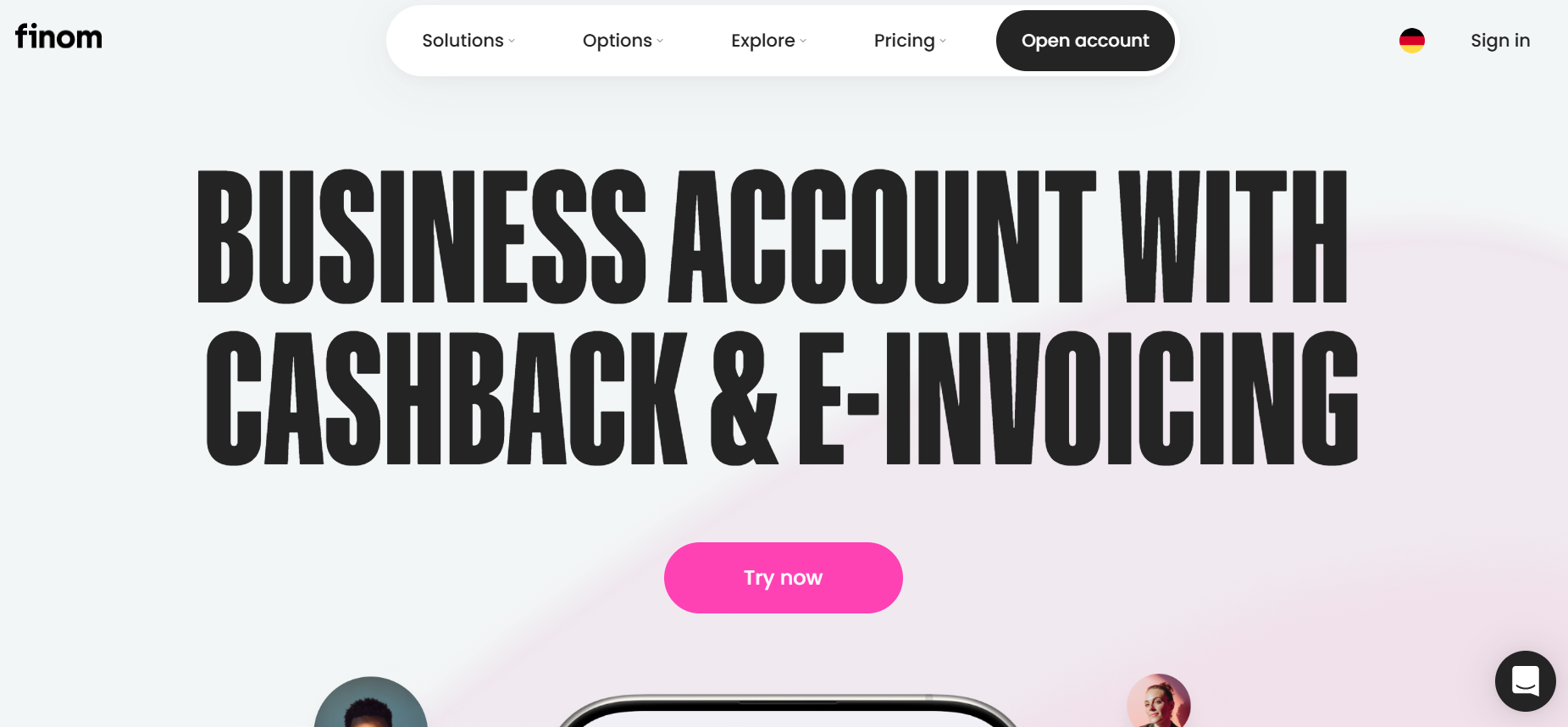
Finom is an e-money institution aimed at freelancers and small businesses that write a lot of invoices, bundling invoicing directly into the account.
How Finom Works
You open a business account, issue and track invoices in the same app your money sits in, and use cards earning cashback from the paid Basic plan up.
Finom Costs & Fees
-
A free Solo tier, reserved for freelancers and sole traders
-
Cashback starting from the Basic plan, capped at up to 4%
-
Paid plans above Solo for companies
Finom Spending Limits and Funding
Funded from the business balance, with an interest account and money market funds available rather than a full securities portfolio.
Finom Key Advantages
-
Invoicing built into the account, reducing paperwork
-
Cashback from the Basic plan
-
A genuinely free tier for solo operators
Finom Specific Drawbacks
-
The free Solo plan excludes companies
-
Cashback is capped and absent from the free tier
-
Not a virtual card specialist
Who Finom Is Best For
Freelancers and small businesses whose day revolves around sending invoices.
Why Someone Would Choose Finom Over N26
Invoicing tools N26 does not bundle, plus cashback that starts earlier, though N26's status as a licensed bank with a German IBAN remains a point in its favour.
8. Starling Bank
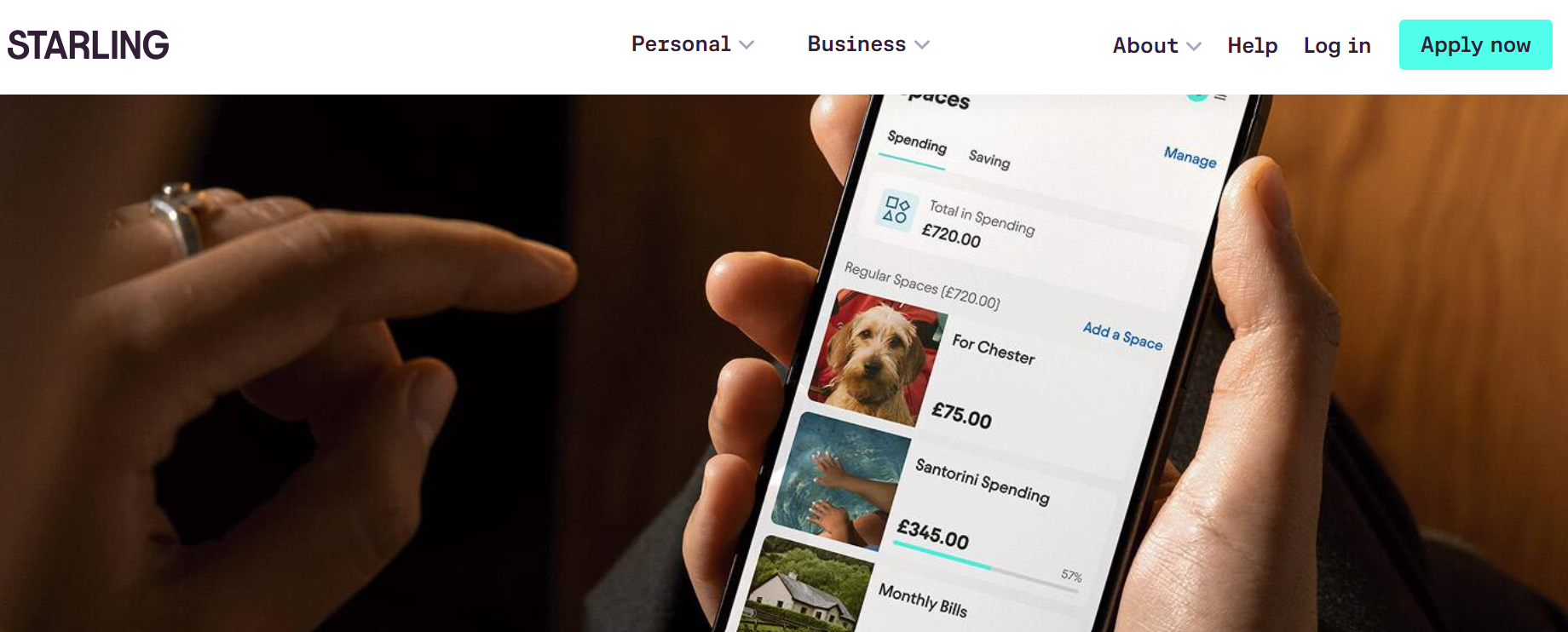
Starling Bank is a licensed UK bank and one of the strongest N26 alternatives for British residents, particularly since N26 withdrew from the UK market.
How Starling Bank Works
You open a personal or business current account with a UK sort code, manage it all in one app, and use Spaces to separate savings, with virtual cards available on certain account types alongside the physical debit card.
Starling Bank Costs & Fees
-
Free personal current accounts with no monthly fee
-
No fees on card spending abroad
-
Free ATM withdrawals within limits
-
Business accounts free for most customers
Starling Bank Spending Limits and Funding
Standard current account limits, with real-time transaction notifications and spend categorisation built in.
Starling Bank Key Advantages
-
A fully licensed UK bank with FSCS protection up to £85,000
-
No foreign transaction fees on card spending
-
Consistently strong app and customer service ratings
Starling Bank Specific Drawbacks
-
UK residents only
-
Virtual card functionality is thinner than a dedicated provider
-
Not built for multi-currency holding the way Wise is
Who Starling Bank Is Best For
UK residents who wanted N26's app-first banking but need a provider that actually serves the UK.
Why Someone Would Choose Starling Bank Over N26
It solves the availability problem outright for British customers, with comparable app quality, full deposit protection and no fees on spending abroad.
9. Privacy.com
Privacy.com is the US benchmark for merchant-locked virtual cards, and the closest US-side equivalent to what N26's virtual cards attempt.
How Privacy.com Works
Open to US residents 18+ with a US checking account, it issues cards that lock to one merchant, close after a single use, or carry custom spending limits, with a browser extension that fills details at checkout.
Privacy.com Costs & Fees
-
Personal free, with 12 new cards per month
-
Plus $5, Pro $10, Premium $25 monthly
-
3% foreign transaction fee on the lower tiers
Privacy.com Spending Limits and Funding
Cards draw from your linked US checking account, with per-card caps rather than one account-wide limit.
Privacy.com Key Advantages
-
A free tier that beats N26's six-card cap outright
-
Merchant-locked cards, which N26 does not offer
Privacy.com Specific Drawbacks
-
US residents with a US bank only
-
No savings or lending
-
3% FX on the free and Plus plans
Who Privacy.com Is Best For
US residents who want per-merchant card privacy rather than European digital banking.
Why Someone Would Choose Privacy.com Over N26
Far more cards, merchant locking and a free tier, though it is US-only and replaces none of N26's banking side. See our best Privacy.com alternatives roundup.
10. MySudo
MySudo is a privacy app that bundles virtual cards with masked phone numbers, email inboxes and a private browser, so each purchase sits behind a separate identity rather than your real details.
How MySudo Works
You create digital identities called Sudos, and each one carries its own virtual Mastercard alongside its number and inbox. Charges route to a linked US funding card and appear with a neutral descriptor, so the merchant never sees your real card or contact details.
MySudo Costs & Fees
-
Paid plans from $1.99 to $14.99 monthly; the free tier excludes cards
-
A payment processor fee of 2.99% + $0.31 on each approved purchase
-
Virtual cards available to US users only
MySudo Spending Limits and Funding
Account-wide caps near $250 per purchase and $350 per day, funded from one linked US card, usable at US merchants online rather than in store.
MySudo Key Advantages
-
Cards bundled with genuine identity privacy, not just payment privacy
-
A neutral statement descriptor that hides the merchant relationship
-
One card per identity, keeping spending compartmentalised
MySudo Specific Drawbacks
-
US users and US merchants only, so no help outside America
-
Low caps of $250 per purchase and $350 per day
-
A per-transaction processor fee on every approved purchase
Who MySudo Is Best For
US customers who want the phone, email and card layers of their privacy handled in one app.
Why Someone Would Choose MySudo Over N26
It pairs cards with masked contact details, which no bank offers, though its caps and US-only reach are far tighter than N26's. See our Privacy.com vs MySudo vs Halocard comparison.
11. SiraPay
SiraPay is a privacy-first virtual card service built for freelancers, crypto users and digital nomads who want low-friction onboarding and minimal identity data collected.
How SiraPay Works
You sign up through the app or website, fund with crypto, and create virtual cards for subscriptions and online purchases from a single dashboard, with onboarding that avoids the document-heavy checks a bank requires.
SiraPay Costs & Fees
-
A free plan, with card options commonly cited around $0.99 monthly or $4.99 yearly
-
A 1.5% fee on payments in a currency other than US dollars; card top-up fees are shown only in the app
-
Crypto funding, currently centred on stablecoin deposits
SiraPay Spending Limits and Funding
Funded from crypto, with per-card control so you spend only what you load. Confirm current deposit methods in-app, as funding options keep expanding.
SiraPay Key Advantages
-
Privacy-first positioning with minimal KYC, unlike a licensed bank
-
Very low card pricing against N26's plan fees
-
Crypto-native funding for users outside the European banking system
SiraPay Specific Drawbacks
-
A young service with a thin independent review record
-
A less transparent fee schedule than established providers
-
Crypto-only funding limits mainstream use
Who SiraPay Is Best For
Privacy-minded users funding from crypto who want cheap cards without a European bank relationship.
Why Someone Would Choose SiraPay Over N26
Far less identity data collected, crypto funding and a much lower price, though you give up the licensed-bank protections and everyday account features N26 provides. Test with a small balance first.
12. RedotPay

RedotPay is a crypto-funded card platform, relevant if you wanted N26's card without the European banking relationship.
How RedotPay Works
You verify, fund with crypto or stablecoins, and issue reloadable virtual or physical cards linking to Apple Pay, Google Pay or PayPal.
RedotPay Costs & Fees
-
$10 virtual card; $100 physical
-
Optional Pro tier at $12.90/month
-
Some merchants carry a 1.5% transaction fee
RedotPay Spending Limits and Funding
Crypto and stablecoin funding, with limits set by verification tier.
RedotPay Key Advantages
-
Crypto funding, which N26 does not support
-
Available in 100+ countries, well beyond the EEA
-
Reloadable cards with mobile wallet support
RedotPay Specific Drawbacks
-
Not a bank, with no deposit guarantee
-
Complaints about declined-transaction fees and frozen balances
-
A Trustpilot rating near 3.1 with a high-risk-investment notice
Who RedotPay Is Best For
Crypto holders who want card spending without a European bank account.
Why Someone Would Choose RedotPay Over N26
Global availability and crypto funding, though its reliability record is markedly weaker than a licensed bank's. See our RedotPay vs Halocard comparison.
13. Chime
Chime is a US neobank offering fee-free current accounts, and one of the natural N26 equivalents for Americans, since N26 exited the US market.
How Chime Works
You open an account in the app, receive a debit card plus a virtual card for immediate use, and get paid up to two days early by direct deposit.
Chime Costs & Fees
-
No monthly fee and no minimum balance
-
No foreign transaction fees for international spending
-
Free ATM withdrawals across a large partner network
Chime Spending Limits and Funding
Funded by direct deposit or transfer, with real-time notifications and optional overdraft cover on qualifying accounts.
Chime Key Advantages
-
No monthly fee and no foreign transaction fees
-
A large fee-free ATM network
-
Early direct deposit
Chime Specific Drawbacks
-
US residents only
-
Not a bank itself; it partners with chartered banks
-
Limited virtual card controls compared with a dedicated provider
Who Chime Is Best For
US customers who want simple, fee-free digital banking.
Why Someone Would Choose Chime Over N26
It serves the US market N26 abandoned, with no monthly fee and no charges on international spending.
14. Varo
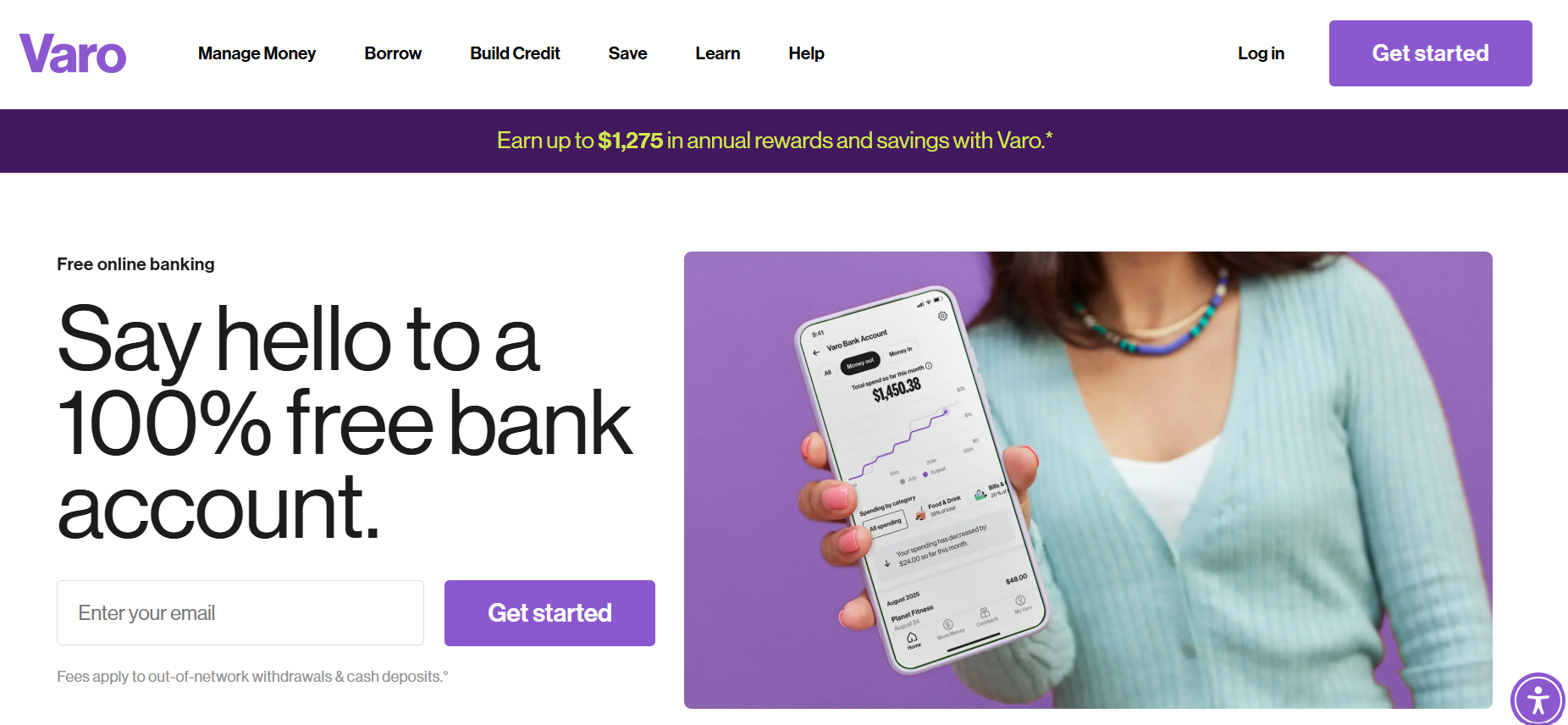
Varo is a US neobank that holds an actual national bank charter, unusual for a fintech, and a solid choice for Americans replacing N26.
How Varo Works
You open an account in the app, get a debit and virtual card, and manage savings automatically with no minimum balance.
Varo Costs & Fees
-
No monthly fees and no minimum balance requirements
-
Competitive savings rates on qualifying accounts
-
Free ATM withdrawals within the partner network
Varo Spending Limits and Funding
Funded by direct deposit or transfer, with cash advance features on qualifying accounts.
Varo Key Advantages
-
A genuine national bank charter, not just a partnership
-
No monthly fees or minimum balance requirements
-
High-yield savings options
Varo Specific Drawbacks
-
US residents only
-
No multi-currency or international focus
-
Thin virtual card feature set
Who Varo Is Best For
US customers who want fee-free banking from a chartered institution.
Why Someone Would Choose Varo Over N26
Availability plus a bank charter, delivering the licensed-institution assurance N26 offers but in a market N26 no longer serves.
15. Payoneer
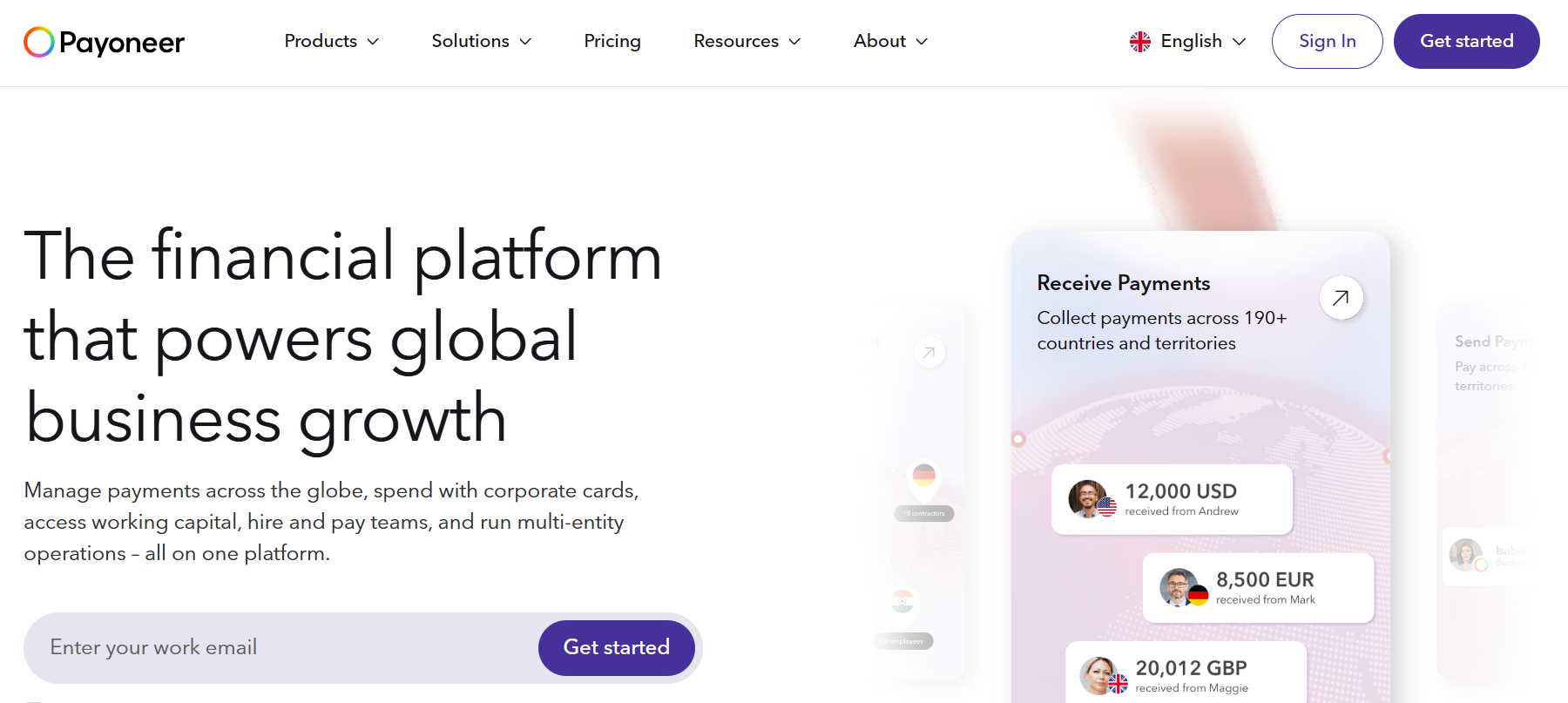
Payoneer is a cross-border payments platform for businesses receiving international revenue, a different shape of tool from N26 but a common replacement for freelancers.
How Payoneer Works
You receive client and marketplace payments into balances in several currencies, then issue many virtual cards to spend from them directly.
Payoneer Costs & Fees
-
$29.95 annual card fee
-
Additional virtual cards free
-
Up to 1.8% without conversion, up to 3.5% with conversion
Payoneer Spending Limits and Funding
Funded by incoming business payments, with high approved spending limits.
Payoneer Key Advantages
-
Built for receiving international client payments
-
Many free additional virtual cards
-
High spending limits with no credit check
Payoneer Specific Drawbacks
-
Business use only
-
Annual card and possible account fees
-
Conversion fees up to 3.5%
Who Payoneer Is Best For
Freelancers and businesses paid by overseas clients or marketplaces.
Why Someone Would Choose Payoneer Over N26
It handles inbound international revenue in a way a European current account does not, though it is not a personal banking replacement.
16. Airwallex
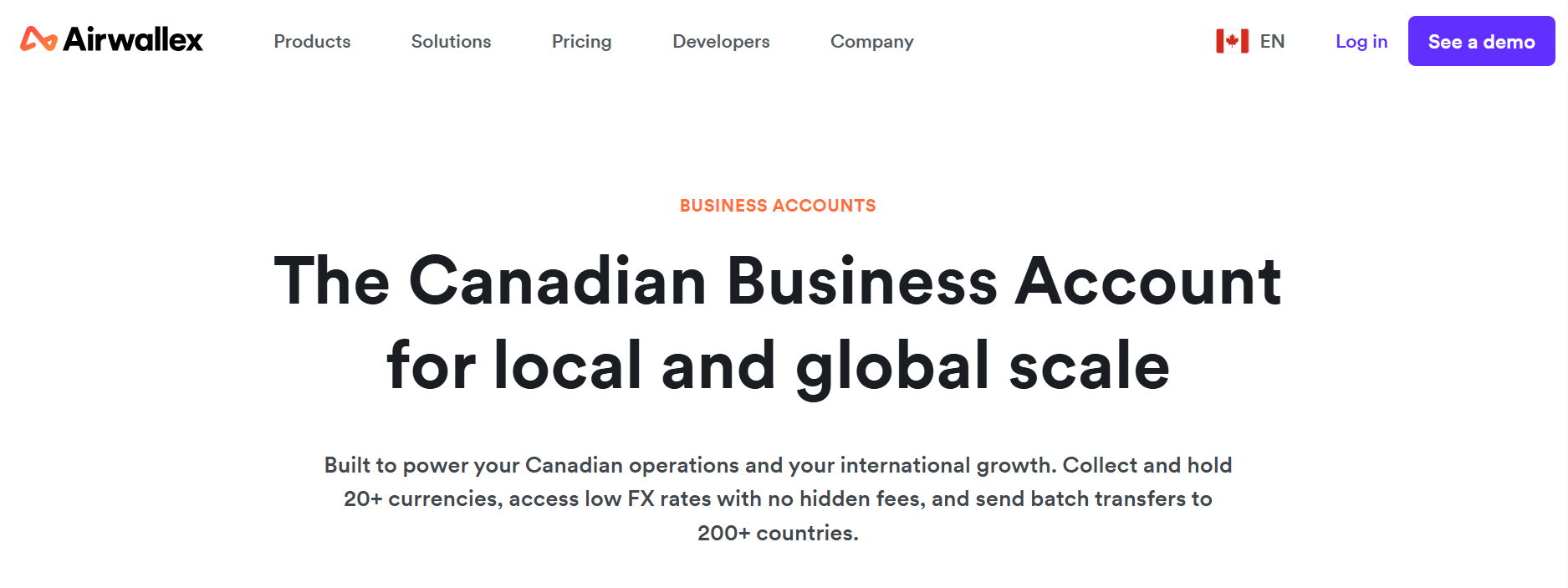
Airwallex is a global business platform combining multi-currency accounts, low-markup currency exchange, corporate cards and spend management.
How Airwallex Works
Businesses open Global Accounts in 20+ currencies and issue unlimited virtual or physical Visa corporate cards, with approval workflows and per-card controls.
Airwallex Costs & Fees
-
Explore plan free in the US, conditional elsewhere
-
Around $12 per active spend user monthly on higher tiers
-
FX markup 0.5% to 1.0%
Airwallex Spending Limits and Funding
Card limits set per card and per currency wallet, funded from business balances.
Airwallex Key Advantages
-
Unlimited corporate cards, unmatched by N26
-
20+ currencies with local account details
-
Genuine spend management with approvals
Airwallex Specific Drawbacks
-
Built for businesses, not personal customers
-
Free access outside the US is conditional
-
Reports of account reviews and held funds
Who Airwallex Is Best For
Companies operating across borders that need many cards and multi-currency accounts.
Why Someone Would Choose Airwallex Over N26
Unlimited cards, real spend management and far wider currency support, though it is overkill for a single person wanting a current account.
What Users Think About These N26 Alternatives
Review scores move constantly, so weigh volume and recency alongside the score itself. Everything below links to the source so you can read the reviews directly.
N26
N26 sits at roughly 4.2/5 across about 43,100 reviews on Trustpilot, but the distribution tells the real story: 63% five-star against 22 to 23% one-star, one of the more polarised profiles in European banking. The dominant complaint is account freezes during compliance checks. One reviewer describes €46,000 frozen without what they considered a valid reason, leaving them unable to cover rent or food.
Another reports being locked out twice in two weeks, saying every incoming payment seemed to trigger a "technical issue" and then a freeze. A third had their account terminated in March 2026 over unspecified "irregularities", then waited over a week for their balance. N26 replies to many publicly, noting that European banking regulations require routine compliance checks, which is accurate and worth weighing fairly. Sentiment on Product Hunt skews more negative still. Positive reviewers consistently praise the app and the speed of everyday payments.
Halocard
Halocard's Trustpilot presence is small but positive, at 4.2/5 (11 reviews), a sample too thin to weigh heavily. Reviewers highlight a clean setup on the privacy-focused GrapheneOS system, responsive support and reliable approvals with per-card controls, with the subscription cost the consistent criticism.
Revolut
Revolut carries roughly 4.7/5 across 470,000+ Trustpilot reviews, covering the whole consumer app. Praise centres on fast transfers and currency handling; criticism on account restrictions and support.
Wise
Wise holds around 4.3/5 from 300,000+ reviews, valued for transparent exchange rates and low transfer costs, with compliance freezes the main complaint.
Vivid
Vivid rates about 4.7 out of 5 from roughly 29,000 Trustpilot reviews, with cashback and the account-plus-investing setup drawing praise. Some reviewers note its safeguarding model differs from a statutory deposit guarantee.
Qonto
Qonto is the highest-rated provider here, at roughly 4.8 out of 5 from about 58,000 Trustpilot reviews and 4.7 on G2. Reviewers cite a fast web interface, quick support and solid integrations, with pricing above the free tier the main gripe.
bunq
bunq holds around 3.7/5 on Trustpilot, praised for sub-accounts and feature velocity, with support speed and app complexity the recurring criticisms.
Finom
Finom is smaller in review volume, drawing praise for invoicing and onboarding speed, with the free tier's restriction to sole traders the common complaint.
MySudo and SiraPay
MySudo sits around 3.1/5 on a small Trustpilot sample, with its privacy bundle praised and refunds and app friction the recurring gripes rather than the cards themselves. SiraPay has no meaningful independent review footprint yet, so judge it on stated features and test with a small balance.
Starling Bank
Starling Bank ranks near the top of UK banking satisfaction surveys, with its app, service quality and free business accounts drawing praise. Complaints tend to involve account closures after compliance reviews, common across the sector.
Privacy.com
Privacy.com holds about 4.5/5 from 3,358 reviews, the strongest among dedicated card providers, with merchant locking the standout feature and unexplained account closures the main negative.
RedotPay, Chime, Varo, Payoneer and Airwallex
RedotPay sits near 3.3/5 on Trustpilot, with frozen-balance complaints recurring. Chime and Varo score well in US app stores for fee-free banking, though both draw account-closure complaints. Trustpilot withholds a standard Payoneer score after removing fake reviews, and Airwallex sits at 2.8/5, with held-funds reports offsetting praise for account managers.
How to Get Halocard
If the reason you are comparing N26 alternatives is the virtual cards, six of them, Europe only, no custom billing address, Halocard is the most direct fix on this list.
It issues up to 60 reloadable US-issued Visa cards through financial partners under Visa, each with its own spending limits, instant freeze, a billing address you nominate and 3D Secure by Visa. Load funds by debit/credit card, Apple Pay, Google Pay, bank transfer, stablecoins, or crypto; because it runs on deposited money there is no credit check, no financing arrangement and no lending relationship to worry about. Against a backdrop where card-not-present fraud drives most global card losses, giving each merchant a different number is the most practical control an individual has.
Halocard is not a bank: no savings, mortgages, insurance or investments, and no deposit guarantee, so most people run it alongside a bank rather than instead of one. What it does is the card side, properly.
For related reading, see the ultimate guide to virtual cards, our guide on whether virtual credit cards are safe, and the best virtual credit cards in Germany. You can also read more about the cards and Halocard's privacy approach.
Step-by-Step
-
Sign up for Halocard in a browser.
-
Complete the identity check with a passport or national ID; non-US residents need no SSN.
-
Load your balance by debit/credit card, Apple Pay, Google Pay, bank transfer, stablecoins, or crypto.
-
Create a card, set its billing address and spending limits, then add it to Apple Pay or Google Pay.
-
Pay online or in store, and freeze or replace any card the moment you need to.
Frequently Asked Questions
What Are the Best N26 Alternatives for Virtual Cards Specifically?
Halocard leads, offering up to 60 reloadable US-issued Visa cards against N26's six, with per-card spending limits and a custom billing address. Privacy.com is the best free option for US residents thanks to merchant locking, MySudo and SiraPay are the privacy-first picks, Revolut gives 20 cards plus a disposable option free, and bunq allows 25 on higher tiers.
Which N26 Alternative Is Best for a Business Account?
It depends on your priority. Vivid suits companies wanting cashback and investing in one place and accepts a GmbH or UG, which the free N26 business account does not. Qonto is the pick for accounting-led teams needing DATEV and approval workflows. Finom fits invoice-heavy freelancers, while Airwallex and Payoneer serve businesses operating internationally.
How Does Digital Banking Compare to a Traditional Bank on Fees?
Digital banking typically costs less than a traditional bank, often with no monthly fee on entry plans, free ATM withdrawals within limits, and no paperwork to open an account. Digital banks offer mobile apps for money management, many provide real-time transaction notifications, and most offer in-app support around the clock. What they give up is branch access, cash handling, and products like mortgages, complex lending and in-person advice.
Is There an N26 Alternative With No Monthly Fee?
Several. Wise charges no monthly fee, Revolut's Standard plan is free, Chime and Varo have no monthly fees or minimum balance requirements, and Vivid, Qonto and Finom all offer free entry tiers for businesses. Bear in mind that a free plan usually caps something else, whether that is card count, currency exchange volume, or free ATM withdrawals, so the honest comparison adds up card fees, cashback and international payments costs across a full year rather than looking at the headline price.
Which Alternatives Are Best for International Payments and Currency Exchange?
Wise is the specialist, holding and exchanging 40+ currencies and sending money to 140+ countries at transparent exchange rates. Revolut supports 30+ currencies at interbank rates and spending in around 140. Vivid shows you the rate before every transfer inside a full business account, and Airwallex offers 20+ currencies with a 0.5% to 1.0% markup for companies. N26 supports several currencies but with limitations these providers do not share.
How Does Starling Bank Compare With N26 for UK Customers?
Starling Bank is the more practical choice for British residents, simply because it serves the UK market while N26 does not. It is a licensed UK bank with FSCS protection up to £85,000, free personal current accounts, no fees on card spending abroad, and free business banking for many small businesses. Its virtual card provision is thinner than a dedicated provider's, so pairing it with a card platform is common for people who want many merchant-specific cards.
Can I Manage Everything From One App Like N26?
Mostly, though the trade-offs differ. Vivid puts cashback, investing, sub-accounts and cards in one app, bunq bundles pots and cards, and Revolut combines currency exchange, budgeting and cards. Dedicated providers like Halocard, Privacy.com and MySudo deliberately do one app, one job, since that focus is what allows merchant-specific cards and per-card limits. Many people run a banking app plus a card app rather than forcing everything into one.
Do These Alternatives Support Apple Pay and Google Pay?
Yes, almost universally. Halocard, Revolut, Wise, bunq, Vivid, Qonto, Starling Bank, Chime, Varo and Airwallex all work with Apple Pay and Google Pay. Digital wallets facilitate secure online payments and protect user information by passing a token rather than your real card number. Pairing a wallet with a virtual card gives two layers: a substitute number at checkout and a card you can freeze independently.
Why Do N26 Customers Look for Alternatives?
Three reasons dominate. Availability, since N26 serves EEA residents only and has withdrawn from markets like the US and UK. Limits, in that virtual cards stop at six, the free business account covers only sole traders and freelancers, and cashback sits at 0.1% on Standard. And reliability, with account freezes during compliance checks the most repeated complaint across its reviews. N26 remains a legitimate licensed bank with a €100,000 deposit guarantee, so this is a question of fit and consumer expectations rather than safety.
Are Virtual Cards Actually Safer Than a Normal Debit Card?
For online spending, yes, measurably. A virtual card gives the merchant a substitute number, so a breach exposes a card that spends nowhere else, and merchant-locked or single-use cards narrow that further. This matters because card-not-present fraud accounts for the majority of global card fraud losses, which reached $33.41 billion in 2024. Setting spending limits per card caps the damage even in a worst case. Our guide to masked card services explains the different privacy models in detail.
Sources
-
Trustpilot. Halocard Reviews
-
Nilson Report. Global Card Fraud Losses at $33 Billion
-
FICO. Card-Not-Present Fraud Remains a Leading Concern
-
Security.org. Credit Card Fraud Report
-
N26. Plans and Mastercard
-
Trustpilot. N26 Reviews
-
Product Hunt. N26 Reviews
-
Vivid. N26 Alternatives 2026
-
Trustpilot. Vivid Money Reviews
-
Qonto. Homepage
-
Trustpilot. Qonto Reviews
-
G2. Qonto Reviews
-
Revolut. Plans and Virtual Cards
-
Trustpilot. Revolut Reviews
-
Wise. Multi-Currency Account and Card
-
Trustpilot. Wise Reviews
-
bunq. Personal Plans
-
Trustpilot. bunq Reviews
-
Finom. Homepage
-
MySudo. Virtual Cards
-
Trustpilot. MySudo Reviews
-
SiraPay. Homepage
-
Starling Bank. Homepage
-
Privacy.com. Virtual Cards
-
Trustpilot. Privacy.com Reviews
-
RedotPay. Homepage
-
Trustpilot. RedotPay Reviews
-
Chime. Homepage
-
Varo. Homepage
-
Payoneer. Homepage
-
Trustpilot. Payoneer Reviews
-
Airwallex. Homepage
-
Trustpilot. Airwallex Reviews
Sourced on September 6, 2026
*Please see Halocard's Terms of Service or Pricing for the most up to date pricing and fee information. This publication is provided for general information purposes and does not constitute legal, tax or other professional advice from Halocard LLC or its subsidiaries and its affiliates, and it is not intended as a substitute for obtaining advice from a financial advisor or any other professional. We make no representations, warranties or guarantees, whether expressed or implied, that the content in the publication is accurate, complete or up to date.
Halocard Virtual Cards


Instant approval
Create your first card in under 5 minutes.

Private purchases
Purchases never appear on your bank account.

Powered by Visa
Accepted at 175M+ merchants globally.
3 steps to create your virtual credit card

1. Sign up
Create your account from a web browser. No need to download an app.

2. Verify
Verify you're a real person in 3 minutes, from the US or any of 120+ countries.

3. Fund
Add funds by debit/credit card, Apple Pay, Google Pay, bank transfer, stablecoins, or crypto.

Pay with Halocard
Pay online and in-person wherever Visa is accepted. You can also order a physical Halocard if you prefer.