

Halocard is the best Klutch Card alternative for private payments, offering a US-issued Visa credit card for customers in the US and 120+ countries with crypto or bank funding and per card limits. Privacy.com suits US residents who want free merchant locked cards, Capital One Eno keeps rewards on an existing card, and Revolut or Wise cover international payments.
The Klutch Card is an app powered Visa card from Klutch Technologies, a California financial technology company that is not a bank, and it promises all the features you want in one place. Its mini apps let you create single use cards, merchant locked cards and private cards with a custom billing address, plus automation rules, budgets and cashback of up to 3% on paid plans.
Three things push people to look elsewhere. Klutch is open only to US residents with a Social Security number, and its cards run on either an optional credit line or collateral held in a linked account.
Business use is banned outright. Klutch's own pages also disagree on basics: the homepage lists Rewards at $10 and Metal at $20 a month with unlimited virtual cards, while its current Terms of Service list $12/month and $25/month, with Metal capped at 50 new cards a month. Klutch is a legitimate company with some clever features, and none of these issues suggest it is unsafe. This guide compares nine alternatives that issue working virtual cards today.
Key Takeaways
-
Halocard is the best Klutch Card alternative for private payments. No SSN for non US residents, crypto and bank funding, and per card limits for customers in the US and 120+ countries.
-
Klutch's pricing depends on which page you read. The homepage and the Terms of Service list different prices and card allowances, so confirm your plan inside the app before paying.
-
Klutch matches Halocard on billing address privacy. Its Private Cards mini app lets you change the billing address and transaction label, a useful feature for US users.
-
The cashback only pays off at higher spend. On the $12/month Rewards plan, 2% back needs about $600 a month in eligible purchases just to cover the fee.
-
Virtual cards reduce exposure to identity theft. A number that only works at one merchant limits the damage any single breach can do.
Quick Comparison Table
| Provider | Card / Account Type | Availability | Virtual Card Capacity | Key Pricing and Fees | Best For |
|---|---|---|---|---|---|
| Halocard | US-issued Visa credit card | US and 120+ countries | 3 to 60 active | From $12/month; 1.5% + $0.30 | Private payments without a US credit file |
| Privacy.com | Merchant locked US debit cards | US residents with a US bank | 12 to 60 new per month | Free plan; paid from $5/month | Free merchant locked cards |
| Cloaked Pay | Masked Mastercard in a privacy app | US citizens only | Waitlisted | From $9.99/month billed annually | Identity masking plus cards |
| MySudo | One Mastercard per persona | US residents, US merchants | 3 to 9 | $1.99 to $14.99/month; 2.99% + $0.31 per purchase | Compartmentalized profiles |
| Capital One Eno | Virtual numbers on a Capital One card | Eligible US cardholders | Unlimited | Free | Keeping rewards on an existing card |
| Revolut | Digital bank style multi currency account | UK, EEA, US and more | 20 active plus 1 disposable | $0, $9.99 or $16.99/month | Everyday spending in multiple countries |
| Wise | Multi currency account | 160+ spending countries | Several | No monthly fee; card about $9 | International payments at the mid market rate |
| Ivy by IronVest | Prepaid Mastercard debit | US residents | 3 or 12 active | Free or $99/year; 2.9% + $0.30 card funding | Masked email plus occasional masked cards |
| Extend | Virtual cards from a business credit card | US and Canada | Unlimited | Varies by bank program | Business expense management |
How the Klutch Card Works Before You Switch
Below is what Klutch offers today, including the limits that appear only in its terms.
Why the Klutch Card Is a Credit Card, Not a Prepaid Card
Klutch's Terms of Service describe two products, both issued as a Visa card:
-
Klutch Credit Card: an unsecured revolving line of credit provided by Pier Financial, with a soft credit pull at pre approval and a hard pull once you accept
-
Klutch Spend Card: a credit card collateralized by money you move into a Dwolla account from a US bank, which becomes your spending limit
Both products require you to be a US resident aged 18 or over with a US mailing address, and identity verification collects your Social Security number. Businesses cannot apply, and the terms prohibit using any Klutch card for business purposes. The Spend Card sits between prepaid products and a traditional credit card, which suits people building credit, but it is not a card you can open from abroad or fund with anything other than US bank details.
How Klutch Lets You Create Virtual Cards
Klutch supports multiple virtual cards on every plan, and its virtual card features live in mini apps, small tools you add to the app:
-
Single-Use Card: create single use cards for one online purchase with a tap
-
Merchant Card: card numbers that work at one merchant only
-
Private Cards: change the billing address to pass address checks, rename how charges appear, and mute notifications
-
Advanced Controls and If / Then: custom rules that decline transactions or trigger actions automatically
-
Subscription Monitor, Monthly Budget and Google Sheet Sync: tools to track spending and manage recurring payments
Few card issuers offer this much granular control, and Klutch even offers an MCP connector for Claude and ChatGPT. Merchant specific cards with their own limits also cut fraud risk. The FTC's 2025 fraud figures show Americans losing $15.9 billion across 3 million reports.
Cards can be added to Apple Pay, Google Pay or any compatible virtual wallet, and a small Chrome companion extension fills card details at checkout. Klutch advertises unlimited virtual cards on its higher paid plans, a claim the table below qualifies.
Klutch Plans, Pricing and Foreign Transaction Fees
Klutch's homepage and its Terms of Service, effective 16 May 2026, describe different plans:
| Plan | Homepage | Terms of Service |
|---|---|---|
| Essentials | Free, 10 virtual cards a month, no foreign transaction fee listed | Free, 10 cards a month, 3% foreign transaction fee, no cashback |
| Rewards | $10/month, 30 cards a month, 2% cashback | $12/month or $120/year, 30 cards a month, 2% cashback |
| Metal | $20/month, unlimited virtual cards, 3% cashback | $25/month or $240/year, 50 cards a month, 3% on the first $1,000 then 2% |
Klutch's full fee structure also includes late, returned payment and overdraft fees of up to $40. Paid plans include the first card in physical form free, then charge $6 for extra plastic physical cards and $75 for extra metal ones on the Metal plan, so a physical credit card is not unlimited either.
The terms also state that "unlimited" cards can be restricted at Klutch's discretion, including limits on unused or inactive cards. Klutch's App Store and Google Play descriptions, the latter updated in July 2026, give a third version, still citing 1% cashback with up to 6% on selected purchases, Evolve Bank and Trust, and a 650 credit score. When one company's pages disagree like this, treat the Terms of Service as the working version and confirm inside the app.
Best Klutch Card Alternatives for Private Payments
There are many alternatives that promise more control over online payments, but only some issue working virtual payment cards today. The nine below all do, running from dedicated private payment providers to identity suites, then card issuer tools, digital bank style accounts and business platforms.
1. Halocard
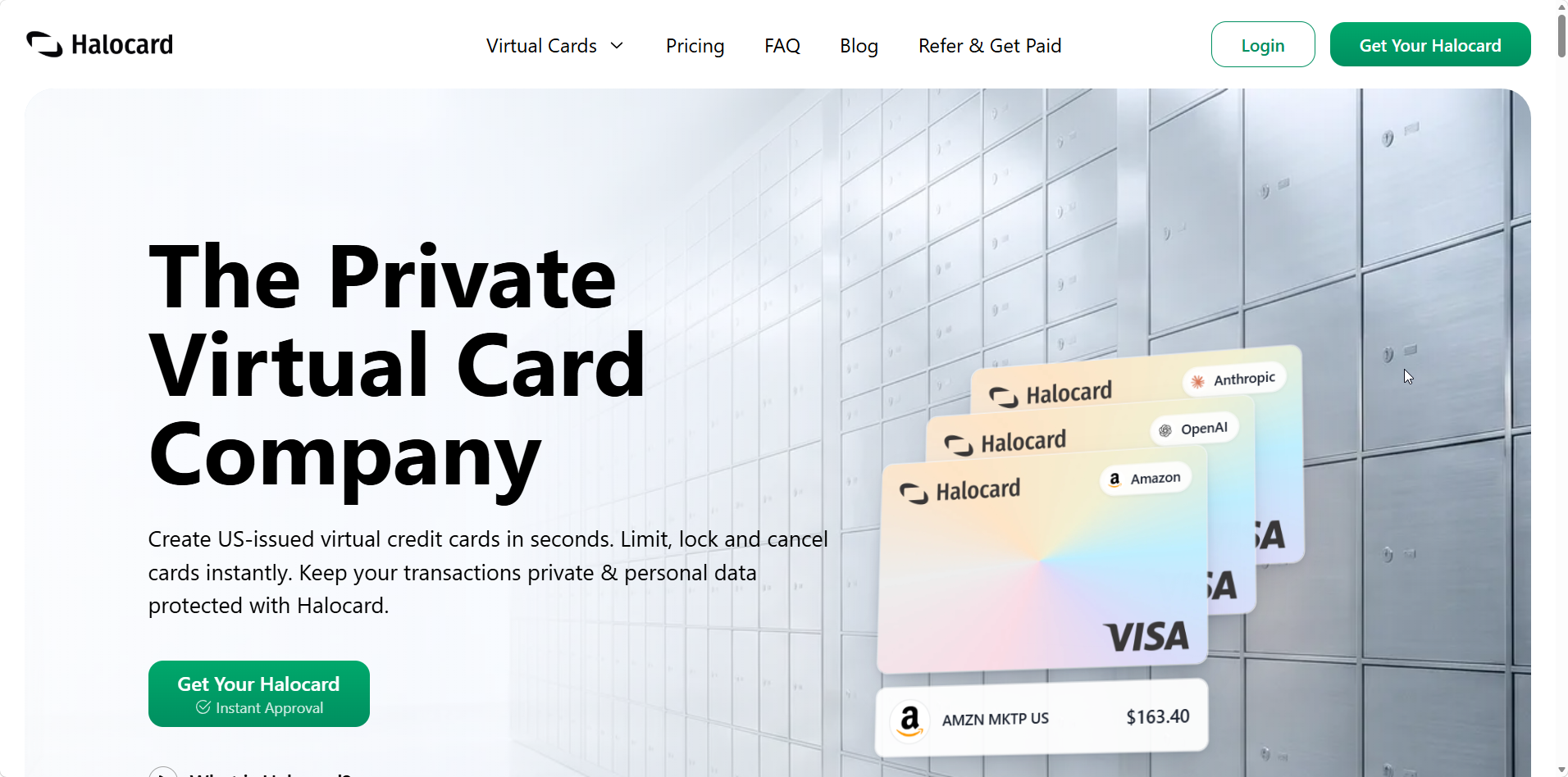
Halocard is a US based fintech platform offering virtual and physical payment cards, built for individuals and small businesses who shop online and want privacy, security and control over every transaction. As a fintech company rather than a lender, it issues virtual credit cards funded by your own balance, so card payments run from the money you load. Where Klutch is a credit product with apps attached, Halocard is a card platform with nothing standing between you and the card. See Halocard vs Klutch side by side.
How Halocard Works
Sign up happens in the browser, and a phone number route lets you create virtual cards within minutes of arriving. Identity verification takes a passport or national ID, runs without any credit bureau, and deletes the images once approved, while applicants outside the US skip the SSN entirely. Cards are Visa credit cards issued through financial partners under Visa, protected by 3D Secure and accepted anywhere Visa is.
Halocard Costs & Fees
Personal plans cost $12 a month for 3 cards on Essential, $15 for 12 on Pro and $75 for 60 on Elite, with business plans starting at $29. Charges in US dollars carry no fee, and other currencies add 1.5% + $0.30. You can add funds with debit/credit card, Apple Pay, Google Pay, bank transfer, stablecoins, or crypto.
Halocard Spending Limits and Funding
Every card has its own transaction, daily and monthly limit, its own billing address, and an instant freeze. Disposable cards close after one charge. Because funding can come from stablecoins, other crypto or a bank, there is no dependence on a US checking account, which is the flexible funding a Klutch Spend Card cannot offer.
Security.org's 2026 credit card fraud study found that just over half of cardholders put autopay bills and daily shopping on the same card, so one leaked number exposes everything at once. A separate card per merchant keeps a breach at one company from reaching the others, and keeps your primary account details and bank account information away from merchants entirely.
Halocard Key Advantages
-
No collateral account, and no SSN for non US applicants
-
Crypto funding alongside bank and card routes
-
Limits by transaction, day and month on each card, plus a custom billing address
-
Business use supported, where Klutch forbids it
Halocard Specific Drawbacks
-
No cashback or rewards program, where Klutch pays up to 3%
-
No automation mini apps, budgeting tools or spreadsheet sync
-
A subscription on every plan unless referral thresholds are met
-
4.2/5 (11 reviews) on Trustpilot, too few reviews to judge on
Who Halocard Is Best For
People who cannot or will not open a US credit product, anyone outside the US, and small businesses paying for software and ads. Our guide to paying for Claude shows a typical use.
Why Someone Would Choose Halocard Over the Klutch Card
Open eligibility, crypto funding, business use, and transaction anonymity. You give up cashback and automation to get it. Our overview of how Halocard handles privacy explains the approach.
2. Privacy.com
Privacy.com is the benchmark US service for merchant locked cards and the most common alternative Klutch users consider.
How Privacy.com Works
Link a US checking account and generate virtual debit cards that lock to the first merchant that charges them or close after one purchase. A browser extension handles checkout, and the service focuses squarely on disposable virtual cards for online purchases.
Privacy.com Costs & Fees
Personal is free with 12 new cards a month. Paid plans cost $5, $10 and $25, add more cards, and remove the 3% foreign transaction fee on the top two tiers while paying 1% cashback.
Privacy.com Spending Limits and Funding
You set spending limits per merchant, per transaction, per month, per year or in total, and charges draw from your linked bank account.
Privacy.com Key Advantages
-
Disposable virtual cards on a free plan
-
Merchant locking on every card
Privacy.com Specific Drawbacks
-
US residents with a US bank account only
-
A debit product, so no credit building
-
Some reports of sudden account closures
Who Privacy.com Is Best For
US residents who want Klutch's merchant cards.
Why Someone Would Choose Privacy.com Over the Klutch Card
A free plan with real features, and a much larger review base. Our Privacy.com vs Klutch vs Halocard comparison covers the details.
3. Cloaked Pay
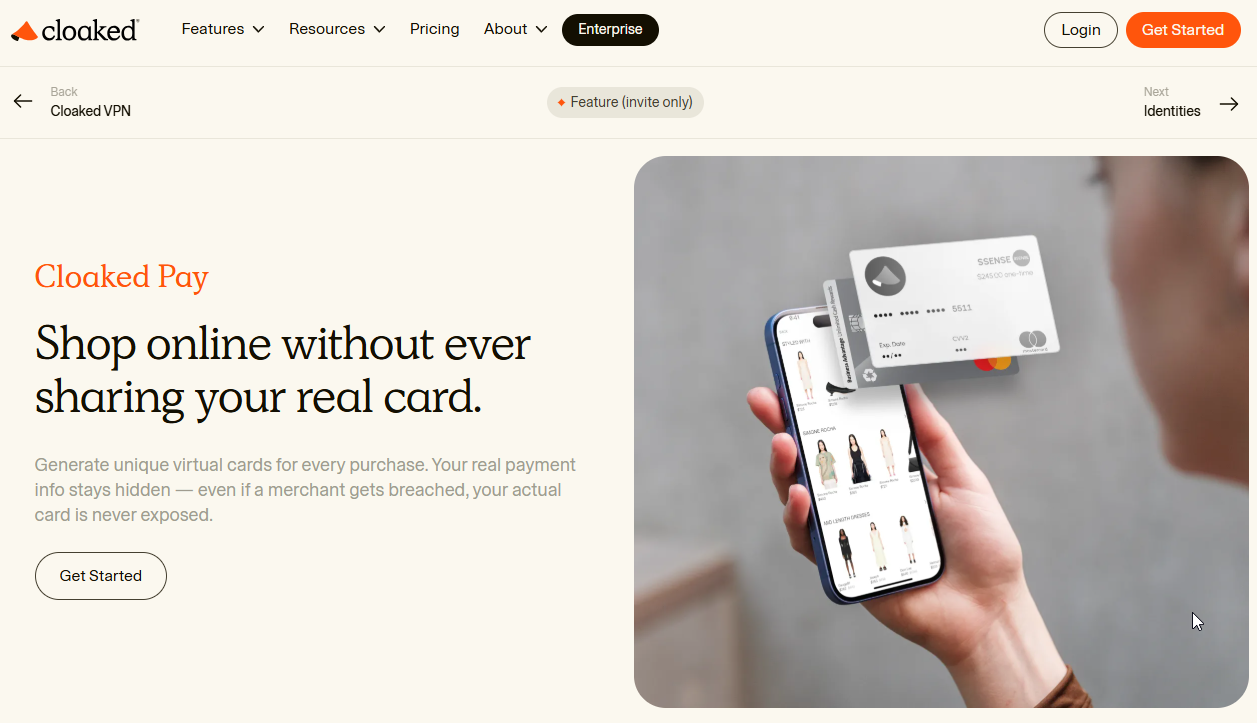
Cloaked Pay is the card feature inside Cloaked, a privacy app built around masked identities.
How Cloaked Pay Works
Each identity gets its own email alias, phone number and stored login, and Cloaked Pay attaches a masked Mastercard funded for that identity. The wider app adds data broker removal and breach monitoring.
Cloaked Pay Costs & Fees
The Individual plan costs $9.99 a month on annual billing or $14.99 monthly.
Cloaked Pay Spending Limits and Funding
Funds are assigned to each identity, so one merchant cannot draw on another's balance.
Cloaked Pay Key Advantages
-
Unlimited email aliases and phone numbers
-
Cards tied to separate identities
-
3.7/5 on Trustpilot from 756 reviews
Cloaked Pay Specific Drawbacks
-
Card access is waitlisted, even for paying subscribers
-
Cards require a check that includes your Social Security number
-
Cloaked Pay is for US citizens only (the wider Cloaked suite covers the US and Canada)
Who Cloaked Pay Is Best For
People who want identity masking first and a card second.
Why Someone Would Choose Cloaked Pay Over the Klutch Card
It hides far more than a card number. The waitlist means you should not rely on it for payments yet.
4. MySudo
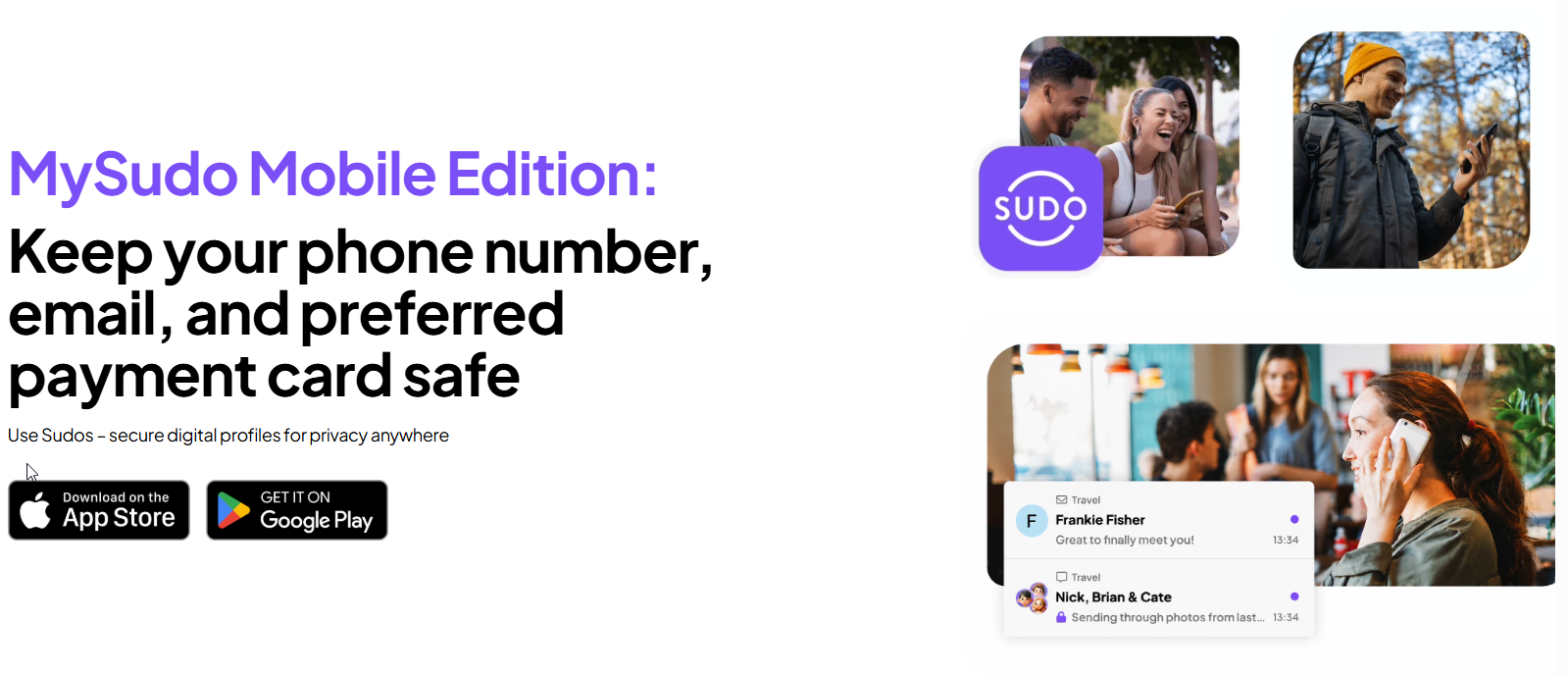
MySudo organizes payment details into profiles for privacy, pairing each persona with its own phone number, email address and virtual Mastercard.
How MySudo Works
You build a Sudo for shopping, another for dating or travel, and so on, and each one carries a single card used only in that context.
MySudo Costs & Fees
Plans start at $1.99 a month for SudoGo and run to $4.99 for SudoPro and $14.99 for SudoMax, carrying three, three and nine cards. On top of that, every approved charge costs 2.99% + $0.31, never less than $0.50.
MySudo Spending Limits and Funding
A linked US card funds purchases, capped at $250 each and $350 a day.
MySudo Key Advantages
-
Real separation between parts of your life
-
Merchant names kept off your bank statement
-
A low monthly price
MySudo Specific Drawbacks
-
US merchants only, and no in store use
-
Low purchase caps
-
A fee on every transaction
Who MySudo Is Best For
US residents who care more about compartmentalization than rewards.
Why Someone Would Choose MySudo Over the Klutch Card
It separates whole identities as well as card numbers.
5. Capital One Eno
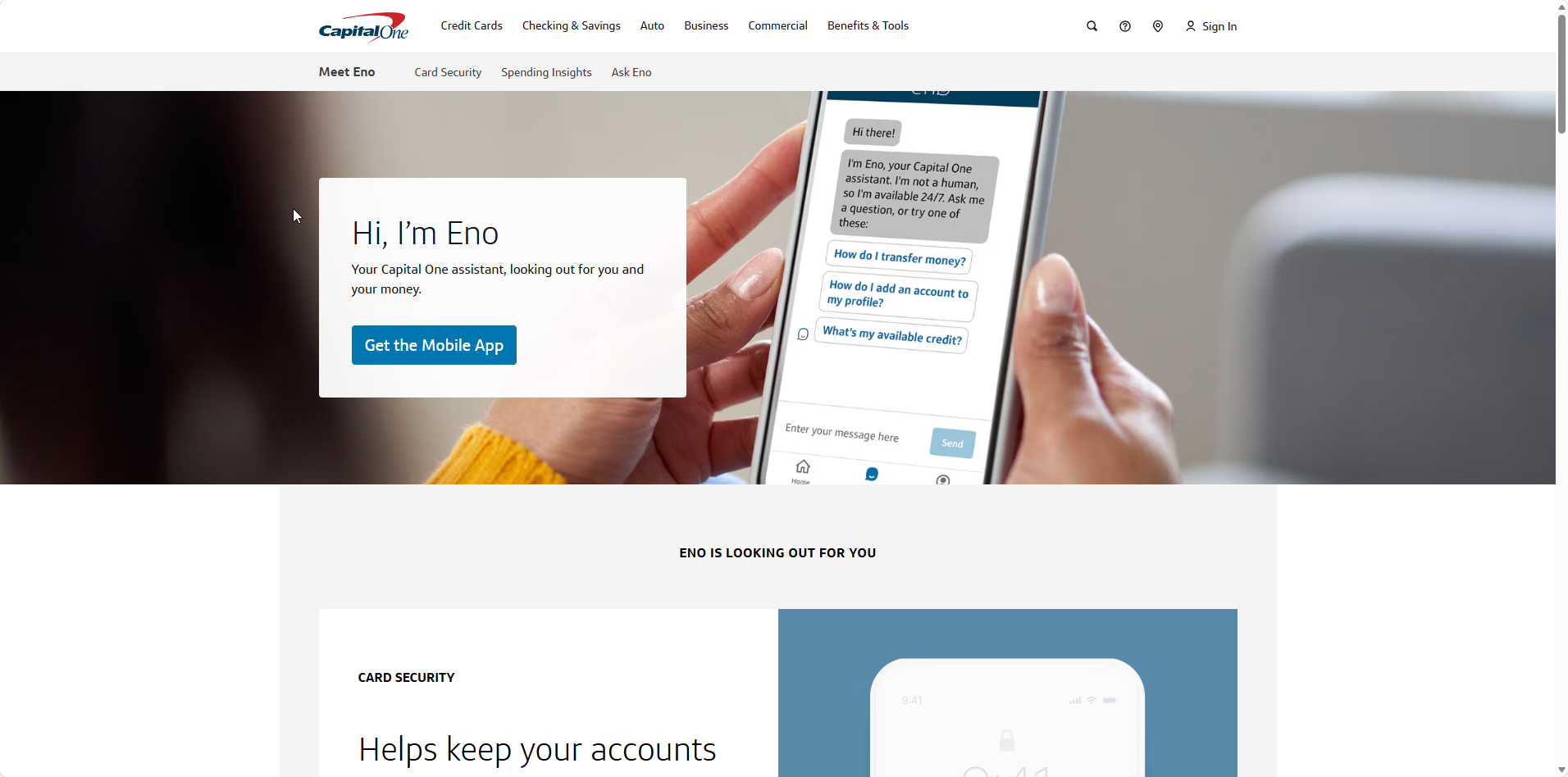
Eno is Capital One's virtual number tool, and it is the closest match to Klutch for people who want a credit card with rewards and virtual numbers together.
How Capital One Eno Works
You create virtual numbers tied to your existing Capital One card, one per merchant if you like, and lock or delete them individually.
Capital One Eno Costs & Fees
Free with an eligible card. Rewards and card protections continue as normal.
Capital One Eno Spending Limits and Funding
Spending draws on your existing credit line.
Capital One Eno Key Advantages
-
Unlimited virtual numbers at no cost
-
Rewards on every purchase
-
Works alongside other services and card benefits from a large national bank
Capital One Eno Specific Drawbacks
-
The Eno browser extension retires on 30 September 2026, so numbers move into your online account
-
Only for eligible Capital One cardholders
-
No custom billing address or automation
Who Capital One Eno Is Best For
Capital One customers who liked Klutch's merchant cards but not another subscription.
Why Someone Would Choose Eno Over the Klutch Card
Free virtual numbers on a card you already hold, with rewards intact.
6. Revolut
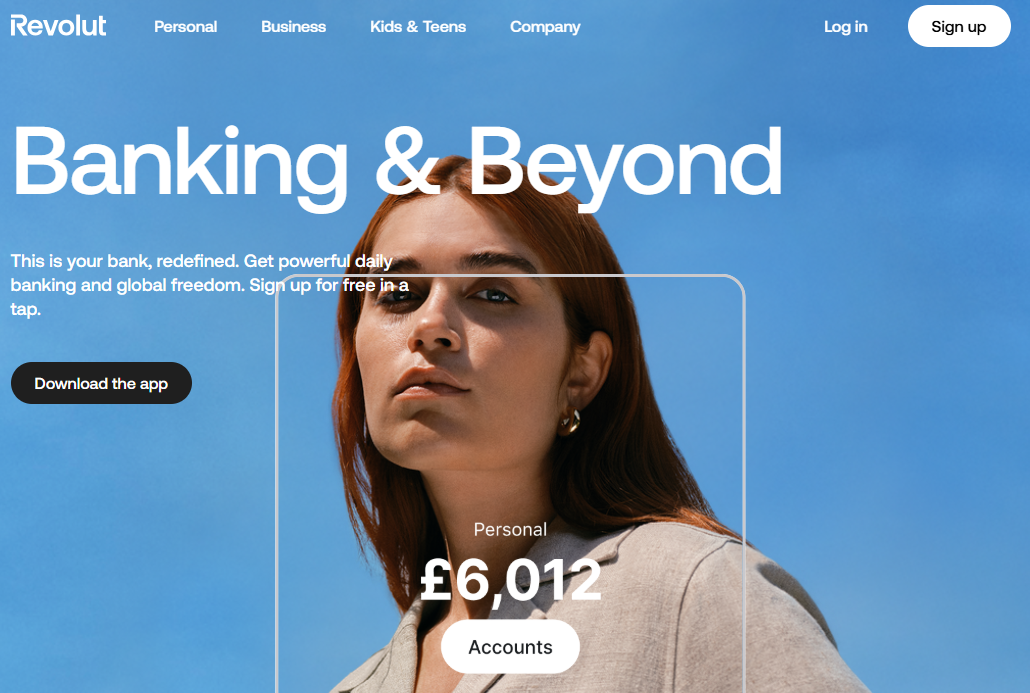
Revolut is the most familiar digital bank style option here, with virtual cards built into a full multi currency account.
How Revolut Works
You hold and exchange 30+ currencies, then create instant virtual cards in the app, including a disposable card that changes number after each purchase.
Revolut Costs & Fees
In the US, Standard is free, Premium is $9.99 a month and Metal is $16.99.
Revolut Spending Limits and Funding
Cards spend from your balance, with limits and freezing in the app.
Revolut Key Advantages
-
Up to 20 active virtual cards plus a disposable card, free
-
Available across multiple countries
Revolut Specific Drawbacks
-
Disposable cards cannot be used for recurring payments
-
No custom billing address
-
Account reviews and restrictions are a common complaint
Who Revolut Is Best For
People who want virtual cards inside a mainstream account, especially outside the US. Our Revolut vs Privacy.com comparison adds detail.
Why Someone Would Choose Revolut Over the Klutch Card
Broader availability and a free plan with generous card allowances.
7. Wise
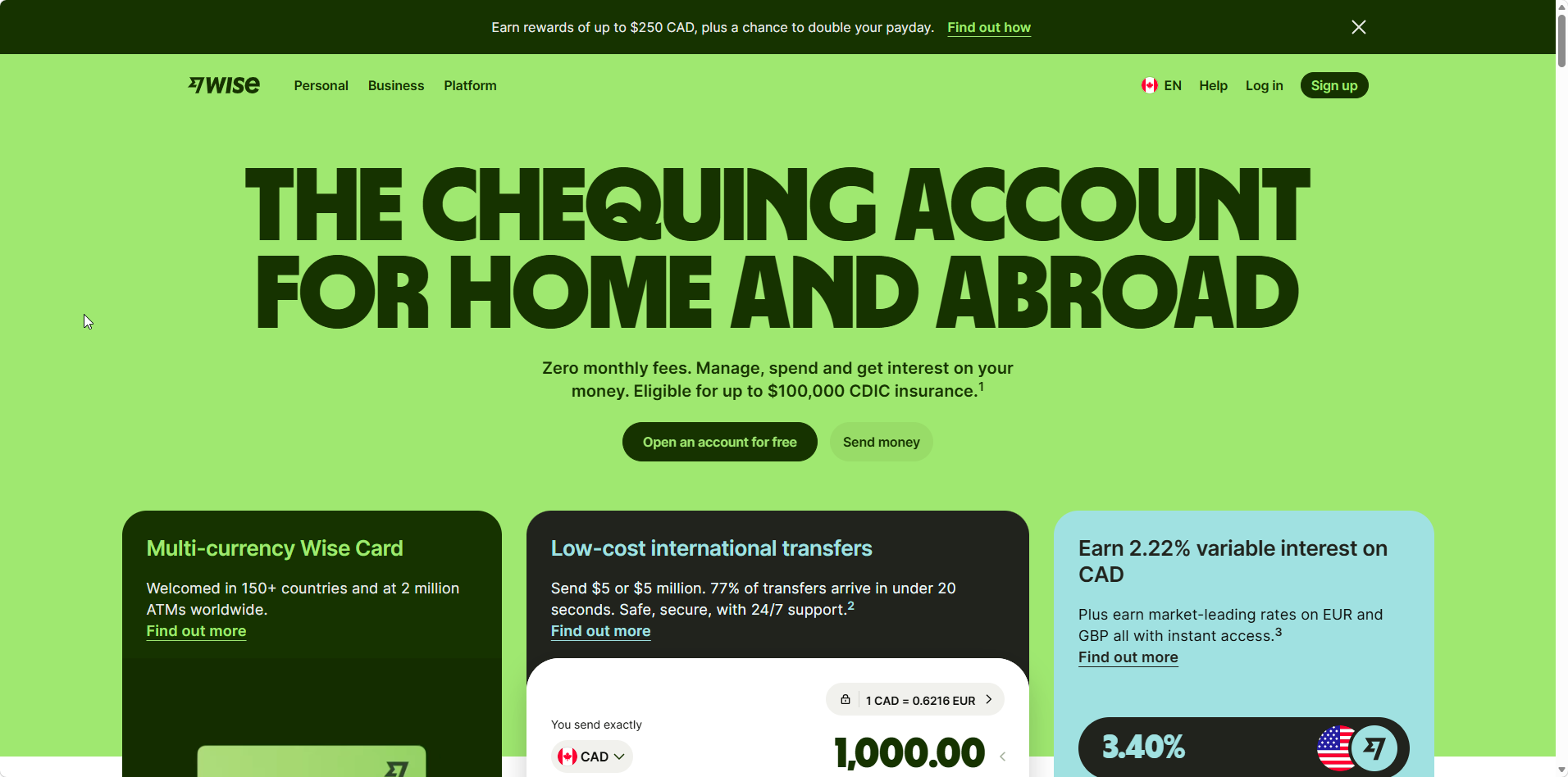
Wise is built for international payments, with virtual cards that spend in whichever currency you hold.
How Wise Works
Balances in 40+ currencies convert at the mid market rate, and the virtual cards spend in more than 160 countries.
Wise Costs & Fees
There is no subscription. US customers pay roughly $9 once for the card, and each conversion shows its fee before you confirm.
Wise Spending Limits and Funding
Cards draw on your currency balances.
Wise Key Advantages
-
Low, visible conversion costs
-
Several virtual cards with no subscription
-
4.3/5 on Trustpilot from 300,000+ reviews
Wise Specific Drawbacks
-
Not US issued, which can fail US address checks
-
No merchant locking
-
No rewards
Who Wise Is Best For
People paying merchants across several currencies.
Why Someone Would Choose Wise Over the Klutch Card
Klutch's free Essentials plan charges 3% on foreign transactions under its terms; Wise is designed around low cost conversion.
8. Ivy by IronVest
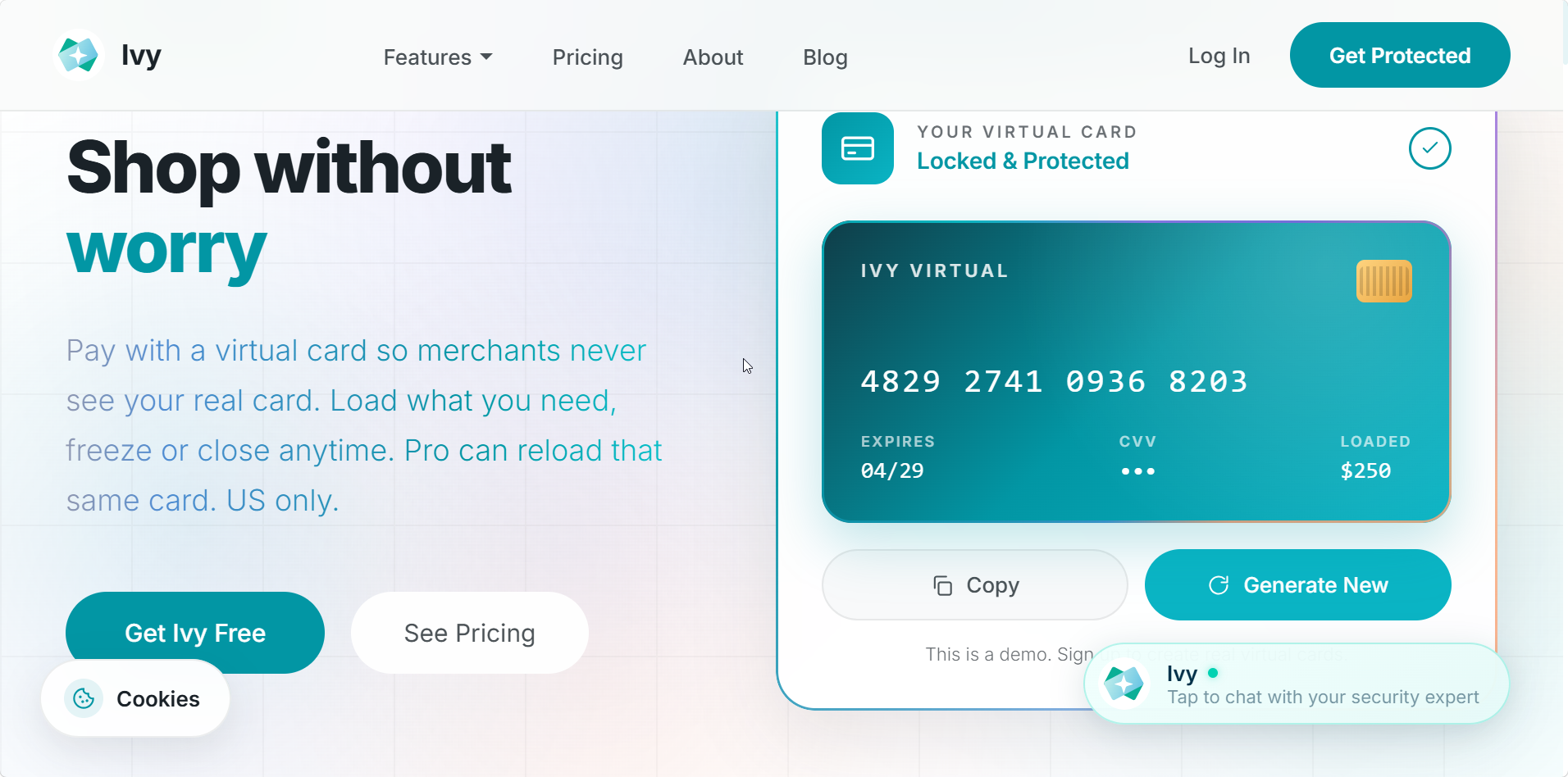
Ivy is a Chrome security extension from IronVest that includes masked email, masked phone numbers and a prepaid Mastercard program.
How Ivy Works
You load each virtual card with a set amount and that balance becomes its limit. Freeze or close cards at any time from the extension.
Ivy Costs & Fees
Ivy Free costs nothing and Pro is $99 a year. Card funding costs 2.9% + $0.30, and ACH is free once your account passes review.
Ivy Spending Limits and Funding
Each card holds between $10 and $1,000, and unused cards can be canceled after 90 days.
Ivy Key Advantages
-
Masked email and phishing warnings alongside cards
-
No credit check
-
A free plan
Ivy Specific Drawbacks
-
US residents only, Chrome only
-
No limits beyond the loaded balance
-
No independent reviews yet
Who Ivy Is Best For
US residents wanting a privacy extension with occasional masked payments.
Why Someone Would Choose Ivy Over the Klutch Card
Browser privacy tools and prepaid cards, though the $1,000 ceiling per card and US only eligibility narrow its use.
9. Extend
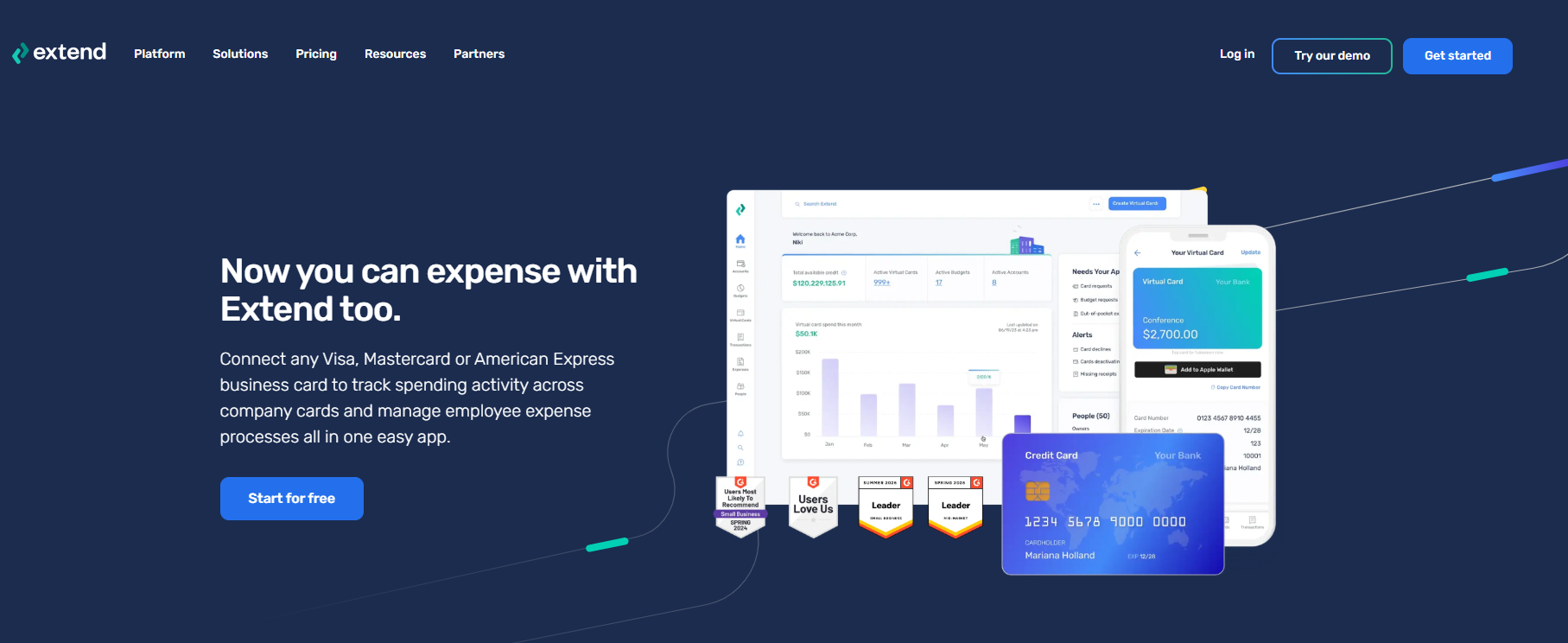
Extend turns an existing business credit card into a virtual card platform, which fills the gap left by Klutch's ban on business use.
How Extend Works
Business owners link a supported commercial card, then create virtual cards for staff, vendors or projects, each with its own limit and expiry.
Extend Costs & Fees
Pricing depends on your card issuer's program.
Extend Spending Limits and Funding
Cards draw on the business credit line you already have, with budgets per card or person.
Extend Key Advantages
-
Seamless integration with the bank and card you already use
-
Expense management and reconciliation tools
-
Used by more than 10,000 companies, per Extend
Extend Specific Drawbacks
-
Business only, with supported issuers only
-
US and Canada only
-
Thin consumer review coverage
Who Extend Is Best For
Business owners and finance teams. Our guide to small business virtual cards covers more options.
Why Someone Would Choose Extend Over the Klutch Card
Klutch's terms rule out business spending entirely; Extend is built for it.
What Users Think About These Klutch Card Alternatives
Scores shift, so look at how many reviews sit behind each rating and follow the links to read them yourself.
Klutch Card
Klutch's review footprint is small on every platform, and the three main sources disagree:
-
App Store: 4.7 from just 3 ratings in the US store. Early reviewers praise the automations, single use cards and being able to put every card in their phone's wallet, while later ones call the app slow and clunky, object to key mini apps sitting behind a paid plan, and question why a privacy card makes you log in to your bank through Plaid. A 2025 reviewer described receiving a $2,000 limit and frequent declines.
-
Google Play: 3.5 from about 24 reviews and 5,000+ downloads. Complaints include the lack of a web app, which meant copying card numbers to a computer by hand, and a disputed charge handled over email that ended with the account being closed, although Klutch replied that the disputes had been resolved.
-
Trustpilot: 2.0/5 from 16 reviews, with no replies to negative ones. Some reviews on the profile are about an unrelated product that shares the name, which makes the score noisy. The most serious complaint comes from a secured card customer who says their deposit was frozen after a Klutch partner went through bankruptcy proceedings.
The testimonials on Klutch's own mini app pages come from Klutch rather than independent reviewers, and both app store listings still describe the older 1% cashback and Evolve Bank setup rather than the current plans.
Halocard
The Trustpilot reviews average 4.2/5 (11 reviews), which is too small a sample to rely on. Reviewers mention cards clearing on AI and app store subscriptions, ad accounts going live quickly, and support replies from a real person who signs off as Ed, with the monthly fee as the main complaint.
Privacy.com
4.5/5 from 3,358 reviews, with complaints focused on account closures rather than card performance.
Cloaked Pay
3.7/5 from 756 reviews for Cloaked overall, with frustration from subscribers still waiting for card access.
MySudo
Only a handful of Trustpilot reviews, praising spam reduction and criticizing free plan limits.
Capital One Eno
The Eno extension holds 4.6 from about 6,700 ratings, though recent reviews focus on its retirement.
Revolut
Roughly 4.7/5 across hundreds of thousands of app wide reviews, where the recurring grievance is accounts being restricted during checks.
Wise
4.3/5 from 300,000+ reviewers, one of the deepest pools of feedback any fintech has.
Ivy by IronVest
No independent reviews yet, as the product is still new.
Extend
Little consumer review coverage, as most customers are businesses and other features are sold through bank partners.
Cashback Versus Control: The Math Before You Switch
Cashback is Klutch's main selling point. The table below shows whether it covers the plan fee at different spending levels, using the Terms of Service prices.
| Monthly eligible spend | Klutch Rewards ($12/month, 2%) | Klutch Metal ($25/month) | Halocard Essential ($12/month) |
|---|---|---|---|
| $300 | Net cost $6 | Net cost $16 | Cost $12 |
| $600 | Break even | Net cost $7 | Cost $12 |
| $1,000 | Net gain $8 | Net gain $5 | Cost $12 |
| $2,000 | Net gain $28 | Net gain $25 | Cost $12 |
At the Terms of Service prices, Metal never earns more than Rewards on cashback alone. Above $1,000 a month it trails by exactly $3, so its case rests on the metal card and the larger card allowance. Two further limits apply: on the Credit Card, the plan's rate applies only up to your monthly credit limit, with 1% on anything beyond it, and foreign transactions are excluded from eligible purchases entirely.
For a US resident with good credit who runs most household spending through one card, Klutch's cashback is an advantage Halocard does not offer. For someone using virtual cards mainly for subscriptions and online purchases, where a few hundred dollars a month is typical, the fee usually outweighs the cashback.
The Nilson Report put global card fraud losses at $33.41 billion in 2024, so weigh how much control each card gives over where it can be charged alongside its rewards rate.
If you do switch, move recurring payments first, keep the old card open until refunds and annual renewals have cleared, and set each new card's limit slightly above the expected charge so a price rise is declined rather than paid. Our guide to managing SaaS subscriptions walks through the process.
How to Get Halocard
Halocard fits people who need what Klutch cannot offer: eligibility outside the US, crypto funding and business use. The FBI's Internet Crime Complaint Center attributed 85% of reported losses in 2025 to cyber enabled fraud, and freezing a card in seconds limits how much a fraudster can take. Cards are issued under Visa with per card limits, instant freezing, disposable cards and a custom billing address, and they work for private purchases, subscriptions, ad accounts and AI and cloud tools. Teams can use Halocard for business.
It does not pay cashback, offer budgeting mini apps, or build credit history, and there is no free plan unless referral thresholds are met.
For background, see our guide to virtual cards, how to get one online and whether virtual cards are safe.
Step-by-Step
-
Register in the browser.
-
Verify with a passport or national ID; no SSN is needed outside the US.
-
Add funds with debit/credit card, Apple Pay, Google Pay, bank transfer, stablecoins, or crypto.
-
Create a card, then set its limits and billing address.
-
Add it to Apple Pay or Google Pay, and freeze or cancel it whenever you like.
Frequently Asked Questions
These answers cover the questions Klutch users ask most when comparing options.
Is Klutch a Digital Bank?
No. Klutch describes itself as a financial technology company and states that it is not a bank. Its credit line comes from Pier Financial, Spend Card collateral sits in a Dwolla account, and the cards run on Visa. Revolut and Wise are closer to a digital bank, while Halocard is a dedicated card provider.
Which Klutch Card Alternatives Work With Apple Pay and Google Pay?
Halocard supports both wallets on every plan, and Revolut, Wise and Capital One cards work with them too. Klutch cards can also be added to Apple Pay and Google Pay. Ivy's cards are online only, and MySudo does not support in store use. According to FICO, digital wallets now account for more than half of global ecommerce spending.
Do Virtual Cards Protect Against Identity Theft?
They reduce exposure to it. With a separate card per merchant, a breached retailer holds a number that works nowhere else and can be canceled without touching your real account. The Identity Theft Resource Center logged a record breach count of 3,322 in 2025. Virtual cards do not stop someone opening accounts in your name, so pair them with credit freezes and multi factor authentication, or at least two factor authentication, on email and bank logins.
How Do I Add Funds to a Virtual Card Without a US Bank Account?
Klutch requires a US bank account linked through Plaid or Dwolla, so it is not an option. Halocard accepts debit/credit card, Apple Pay, Google Pay, bank transfer, stablecoins, or crypto, with bank transfers in USD, CAD, EUR or GBP, which covers most people outside the US. Wise and Revolut take local bank transfers in many countries.
What Are the Best Alternatives to Klutch Outside the US?
Klutch only accepts US residents, so international users need a different route. Halocard issues US Visa cards for customers in the US and 120+ countries with crypto or bank funding, Revolut covers much of Europe and beyond, and Wise is the low cost choice for international payments across multiple currencies.
Is Cloaked Pay a Good Klutch Alternative?
Only if you mainly want identity masking. Cloaked's aliases and phone numbers are strong, but Cloaked Pay itself is waitlisted, needs your Social Security number, and is limited to US citizens.
Is Moon a Safe Alternative to the Klutch Card?
Not at present. Moon has sold prepaid Visa cards bought with crypto, with funding options including Bitcoin and USDT, and says its cards work at over 130 million Visa merchants. Its Trustpilot profile now sits at 2.6 from 274 reviews, with many 2026 reviewers describing a paused card program, balances turned into platform credit, and refunds held until identity checks clear. Avoid funding it until the service is clearly restored.
Does Klutch Require a Credit Check?
The Klutch Credit Card does, with a soft pull at pre approval and a hard pull when you accept. The Spend Card uses your own collateral instead. Both require a Social Security number. Halocard runs no credit checks at all.
Can a Virtual Card Be Traced?
To you, yes. No regulated card offers complete anonymity: the issuing bank or card issuer holds your identity and transaction records and must respond to lawful requests. What a virtual card hides is your real card number and, with Halocard or Klutch's Private Cards, your real billing address, from the merchant.
Does Halocard Require an SSN?
Not unless you are a US resident. Everyone else verifies with a passport or national ID, never an SSN or ITIN, and there is no credit inquiry. Verification is usually done in a few minutes, and your document images are erased once it is complete.
Is Halocard Available in My Country?
It operates in 120+ countries and excludes only a handful, including China, India, Russia, Turkey and Iran; check halocard.co for the current list. Klutch, by comparison, is limited to US residents.
Sources
-
Klutch. Pricing
-
Klutch. Private Cards
-
Klutch. Single-Use Card
-
Klutch. Merchant Card
-
Klutch. Terms of Service
-
Apple App Store. Klutch Card Reviews
-
Google Play. Klutch Card
-
Trustpilot. Klutch Reviews
-
Privacy.com. Pricing
-
Trustpilot. Privacy.com Reviews
-
Trustpilot. Cloaked Reviews
-
Chrome Web Store. Eno From Capital One
-
Trustpilot. Revolut Reviews
-
Trustpilot. Wise Reviews
-
Ivy by IronVest. Masked Payments
-
Business Wire. Extend 2024 Milestones
-
Trustpilot. Pay with Moon Reviews
-
Federal Trade Commission. 2025 Fraud Testimony
-
Nilson Report. Global Card Fraud Losses
-
FICO. Card Not Present Fraud
-
The Record. FBI Cyber Fraud Coverage
-
Security.org. 2026 Credit Card Fraud Report
-
Identity Theft Resource Center. 2025 Data Breach Report
Sourced September 21,2026
*Please see Halocard's Terms of Service or Pricing for the most up to date pricing and fee information. This publication is provided for general information purposes and does not constitute legal, tax or other professional advice from Halocard LLC or its subsidiaries and its affiliates, and it is not intended as a substitute for obtaining advice from a financial advisor or any other professional. We make no representations, warranties or guarantees, whether expressed or implied, that the content in the publication is accurate, complete or up to date.
Halocard Virtual Cards


Instant approval
Create your first card in under 5 minutes.

Private purchases
Purchases never appear on your bank account.

Powered by Visa
Accepted at 175M+ merchants globally.
3 steps to create your virtual credit card

1. Sign up
Create your account from a web browser. No need to download an app.

2. Verify
Verify you're a real person in 3 minutes, from the US or any of 120+ countries.

3. Fund
Add funds by debit/credit card, Apple Pay, Google Pay, bank transfer, stablecoins, or crypto.

Pay with Halocard
Pay online and in-person wherever Visa is accepted. You can also order a physical Halocard if you prefer.