
Key Takeaways
-
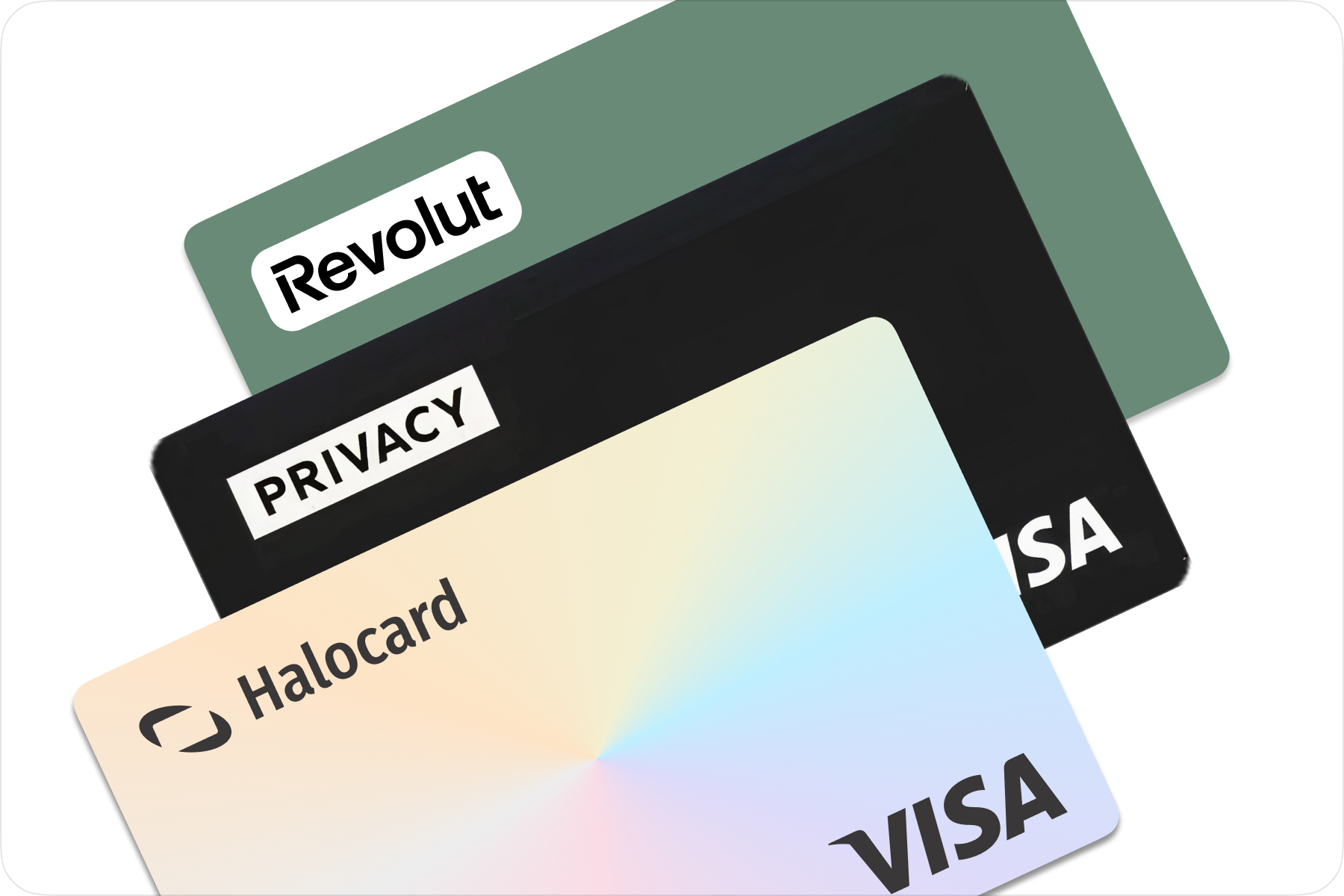
This article compares Privacy.com, Revolut, and Halocard to show how they differ in availability, privacy, acceptance, fees, and usability for US and international virtual card users.
-
Halocard is the best virtual card overall due to its international availability, US-issued cards with high acceptance, simpler onboarding, and fewer residency and identity restrictions.
This comparison of Privacy.com and Revolut virtual cards is for those who need a virtual card provider that allows for online payments and international transactions across the world, particularly for online shopping on US-based sites, with a third option being Halocard.
Users often compare Privacy.com and Revolut virtual cards in terms of their functionality in the USA and for international transactions, including how the country of card issuance impacts acceptance on US merchants. Users also compare availability, privacy and security features, and fees and spending limits.
Limitations that users often face with these virtual cards are that they may feature US-only access, require an SSN and residency, and may face restrictions when attempting to use on US-based and other international websites.
Privacy.com vs Revolut vs Halocard Virtual Credit Card
| Category | Privacy.com | Revolut | Halocard |
|---|---|---|---|
| Features | Browser extensions and apps for fast card creation, strong subscription controls, merchant-locked and single-use cards | All-in-one fintech app with virtual cards, budgeting tools, disposable cards, and multi-currency accounts | Dedicated virtual card dashboard focused on fast setup, multiple cards, and per-card controls |
| Security | High privacy for US users through masked debit cards and granular spend limits; requires bank linking | Standard fintech KYC model; virtual cards help reduce exposure but not privacy-first by design | Balance-based cards not tied to a primary bank account; strong separation between funding source and card usage |
| Merchant Acceptance | High acceptance on US merchants; debit-based cards may still fail on some credit-only or high-risk platforms | Generally strong, but US-only merchants may decline due to prepaid/debit classification and the card being issued outside the US (cards are tied to the user's country of issuance) | Very high acceptance using US-issued Visa BINs recognised as domestic secured credit cards |
| Availability | US residents only; requires US bank account | US residents for US-issued cards; non-US users receive cards issued in their country of residence, which affects acceptance and usage rules | Available to US and non-US residents; non-US users do not require SSN |
| Funding | Linked US bank account only | Bank transfer and debit card top-ups; fees may apply | Multiple funding methods, including stablecoins, card payments, or bank transfers in USD, EUR or GBP. |
| Pricing | Free plan available; paid plans from $5–$25/month; 3% FX fee on lower tiers | Free plan; FX fees after $1,000/month or outside FX hours; paid plans available | $12/month (3 cards) up to $75/month (60 cards); 1.5% FX fee |
| Key Limitations | US-only access; requires bank linking; debit-only cards | Not a credit card; FX fees outside market hours; acceptance issues on some US platforms | Monthly subscription required; No unsecured credit; FX fees on non-USD |
| User Profile | US-based users who want strict spend controls and subscription management | Users seeking a digital banking alternative with budgeting and multi-currency spending | US and international users who need reliable US merchant acceptance with fewer residency barriers |
Key Differences Explained/Important Notes
Privacy.com is not available outside of the US because its model depends on US banking and regulatory framework. All accounts must be linked to a US bank and verified through US-based identity checks. This works well for those who want single use cards, tight controls to prevent unauthorized charges, and tools to block unwanted subscriptions, but it's also extremely limiting for international users, especially in terms of access - getting this card if you are not in the USA is not a possibility.
On the other hand, although Revolut is widely available outside of the USA, it runs into other issues. Mainly, these are virtual prepaid debit cards that are issued based on the user's country, which means that some US-only merchants may reject them during checkout. This is because cards issued outside the US are not always treated as domestic by US merchants, which can affect approval rates. Revolut is excellent as one app for banking-style services, competitive exchange rate handling, and everyday transactions - but virtual cards are not its main focus.
Halocard addresses both of these issues by offering US-issued Visa virtual credit cards that are treated as domestic by US merchants, while remaining accessible to non-US users. Halocard eliminates residency barriers, international users outside of the USA do not need an SSN, and there are multiple funding methods so users can pay globally with fewer declines, clearer fees, and stronger acceptance where other providers experience issues.
Thoughts from Existing Users
Most users have good things to say about Privacy.com in terms of its ability to generate virtual card numbers, set spending limits, and use disposable cards to control online purchases and subscriptions. No annual fee on the free tier is another positive aspect that people mention. Being able to set spending limits is also mentioned, as it helps in reducing exposure during online transactions and limiting unauthorized use after a data breach.
However, some users also feel that Privacy.com overpromises, particularly in terms of privacy, as it requires a linked US bank and still operates as a debit-style credit card alternative, so it does not fully mask or separate banking and identity details.
In terms of Revolut, users generally like the platform as a digital banking replacement. Many like features such as features international transactions, money transfers, support for digital wallets, and compatibility with Apple Pay and Google Pay alongside a physical card. Many reviews also talk about convenience for everyday banking, domestic transactions, and holding multiple accounts in one app.
That said, virtual cards are secondary to its core banking tools, which means that virtual cards have fewer customizable spending limits compared to specialist providers. There have also been various complaints about poor customer service - not necessarily about the card itself. Yes, Revolut is a good fintech bank, but it is not a purpose-built solution for those who want advanced virtual card controls.
Privacy.com vs Revolut vs Halocard: Why Halocard is the Winning Option
The best virtual card depends on the user's location and payment needs. Privacy.com and Revolut each work well within specific use cases, but their advantages are shaped by geography or card structure.
Privacy.com is best suited to US residents who want strong spending controls, disposable cards, and subscription management. Its requirement for a linked US bank account and domestic verification limits access for international users.
Revolut is more widely available and functions effectively as a digital banking platform with budgeting tools and multi-currency support. However, its virtual cards are typically prepaid debit-classified and issued in the user's country of residence, which can lead to declines on certain US merchants or credit-only payment flows, and virtual card management is not its primary focus.
Halocard addresses these gaps by offering US-issued virtual cards accessible to both US and non-US users, improving acceptance on American platforms while maintaining international usability. Its balance-funded structure, ability to manage multiple cards, and separation from a primary bank account also provide clearer spending control and added transaction security.
For strictly US-based subscription control, Privacy.com may be sufficient. For an all-in-one fintech banking experience, Revolut may be the better fit. For reliable cross-border online payments with strong US merchant acceptance, Halocard is the most broadly applicable option.
How to Get a Halocard
Halocard is designed to make global online payments simple, secure, and accessible without relying on traditional credit approval or complex banking requirements. You can create an account in minutes, generate a virtual card instantly, fund it using supported methods, and begin paying across international platforms with dependable acceptance and built-in privacy.
Steps
-
Sign Up
Create your account using an email address or phone number and complete a brief identity verification. -
Generate Your Virtual Card
Issue a virtual card immediately from the dashboard, ready for secure online use. -
Add Funds
Load money through the available funding options and control how much the card can spend. -
Pay Online Globally
Use the card right away for ecommerce purchases, subscriptions, software tools, and US or international websites.
Why Halocard Stands Out
-
Built for reliable cross-border online payments
-
Predictable transaction approval and stable routing
-
Privacy-focused design that keeps primary banking details separate
-
Flexible spending control without traditional credit dependency
-
Secure for everyday digital purchases and subscriptions
If you need a virtual card that performs consistently across international platforms and US websites, Halocard provides a practical and dependable solution.
Frequently Asked Questions
Are Virtual Cards More Secure Than Physical Cards?
Virtual cards reduce risk by masking your real card details, thus limiting exposure during online transactions.
Do Virtual Cards Work for Subscriptions and Recurring Payments?
Yes, most virtual cards work for subscriptions and recurring payments, although acceptance varies.
Can Non-US Residents Get a US Virtual Card?
Some providers may issue US-based virtual cards to non-US users, with one example being Halocard.
Why Do Some US Websites Decline Virtual Cards?
Declines happen for several reasons, including card type classification, regional issuer rules, or automated fraud checks.
Do Virtual Cards Replace Traditional Credit Cards?
Virtual cards are a complement to traditional credit cards by providing a higher degree of control and privacy, rather than fully replacing them.
How to Compare Virtual Card Providers
Here's how to evaluate virtual card providers based on your needs:
-
Features & Ease of Use: How quickly you can create cards, manage limits, and control spending from one dashboard or app.
-
Security & Privacy Model: Whether cards are bank-linked or balance-based, and how well your primary financial details are isolated.
-
Merchant Acceptance: Reliability on US merchants as well as international platforms, including subscriptions and SaaS tools.
-
Geographic Availability: Who can sign up, where cards are issued, and whether access is limited by residency or region.
-
Funding Options: Bank-linked cards versus prepaid or balance-funded cards, and how flexible top-ups are.
-
Pricing & Fees: Monthly costs, FX fees, and any usage-based charges that affect long-term value.
-
Hidden Limitations: Requirements like SSNs, bank linking, card-type restrictions, or acceptance issues that only appear after signup.
These are the criteria used to compare Privacy.com, Revolut, and Halocard below."
Sources
-
Truspilot. Revolut reviewed by MAX U on 2026-01-14 Sourced on February 05, 2026.
-
Truspilot. Revolut reviewed by J Kirkham on 2026-01-14 Sourced on February 05, 2026.
-
Truspilot. Revolut reviewed by Nat on 2026-01-15 Sourced on February 05, 2026.
-
Truspilot. Revolut reviewed by Sadie Paterson on 2026-01-15 Sourced on February 05, 2026.
-
Revolut. Revolut Virtual Card Sourced on February 05, 2026.
-
Revolut. Revolut Pricing Plans Sourced on February 05, 2026.
-
Privacy. Privacy.com Sourced on February 05, 2026.
*Please see Halocard's Terms of Service or Pricing for the most up to date pricing and fee information. This publication is provided for general information purposes and does not constitute legal, tax or other professional advice from Halocard LLC or its subsidiaries and its affiliates, and it is not intended as a substitute for obtaining advice from a financial advisor or any other professional. We make no representations, warranties or guarantees, whether expressed or implied, that the content in the publication is accurate, complete or up to date.
Halocard Virtual Cards
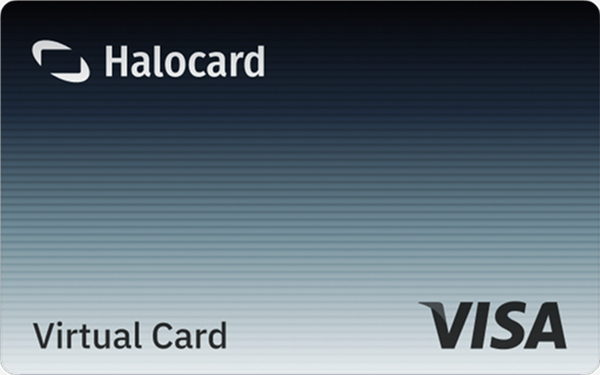

Instant approval
Create your first card in under 5 minutes.

Private purchases
Purchases never appear on your bank account.

Powered by Visa
Accepted at 175M+ merchants globally.
3 steps to create your virtual credit card
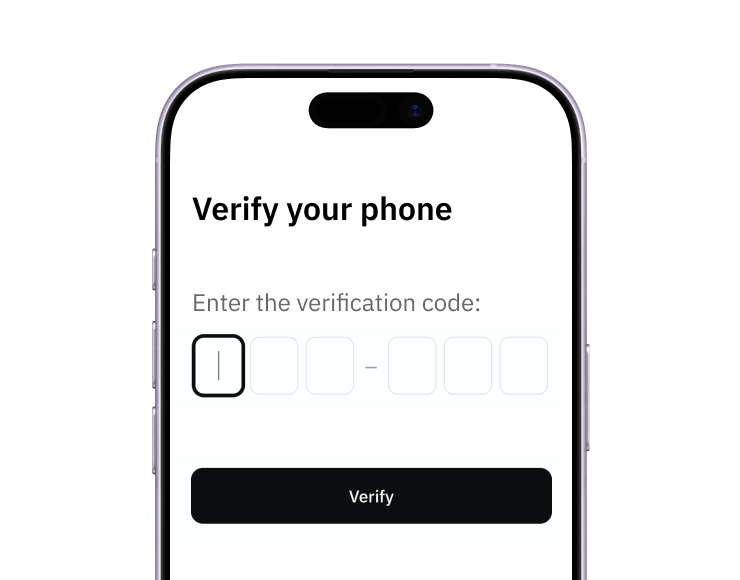
1. Sign up
Create your account from a web browser. No need to download an app.
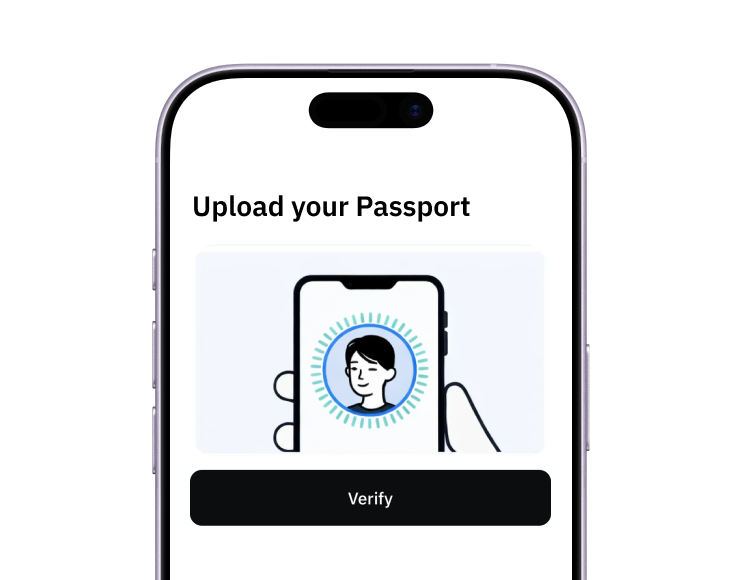
2. Verify
Verify you're a real person in 3 minutes. No US residency required.
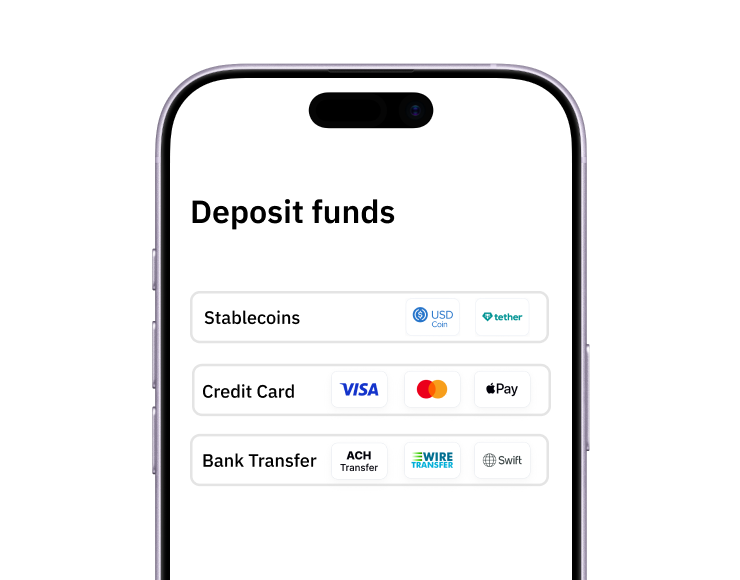
3. Fund
Add funds with a debit/credit card, bank transfer, stablecoins, or crypto.
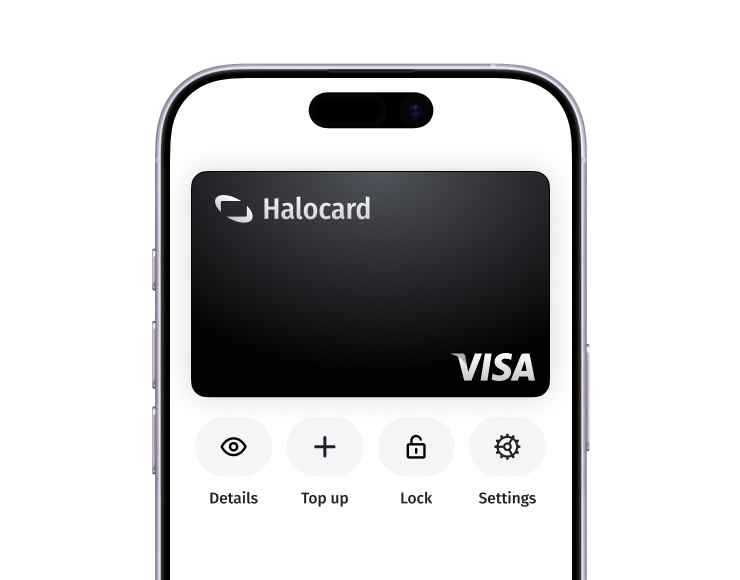
Pay with Virtual Cards
Pay online and in-person wherever Visa is accepted. You can also order a physical Halocard if you prefer.