
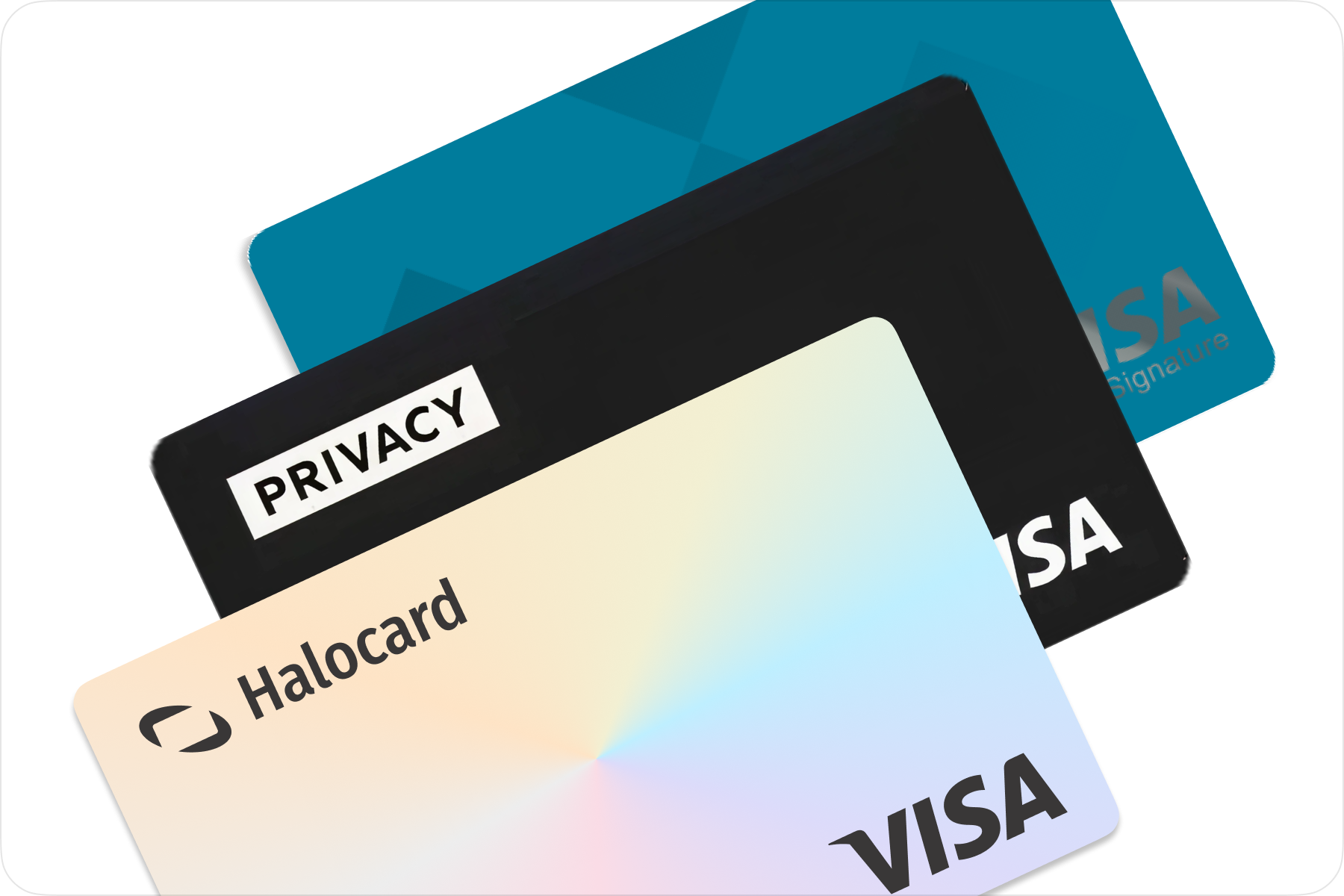
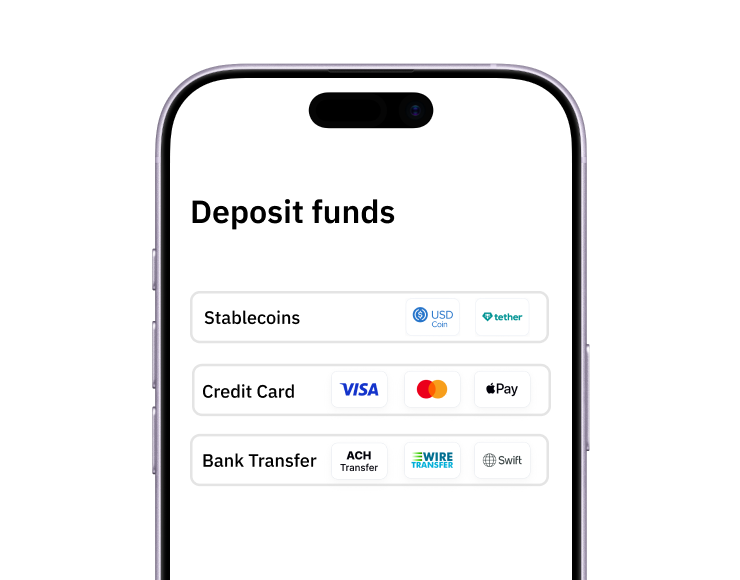
The Klutch card is an app-powered Visa credit card platform that combines a physical card with virtual cards, budgeting tools and automation rules, but Halocard is the better choice for most people. Halocard is a US-issued Visa credit card, for customers in the US and 120+ countries. Halocard works like a debit card: you spend the balance you load, with no credit line and no credit check. You fund Halocard by debit/credit card, Apple Pay, Google Pay, bank transfer, stablecoins, or crypto, with no bank account to link, whereas Klutch and Privacy.com are both for US residents only and both need a linked US bank account.
Klutch is better for users seeking a highly customizable credit card with budgeting tools and automation features, and Privacy.com suits US users who want bank-linked virtual cards for subscription management and fraud reduction. For more options, see the best Klutch Card alternatives.
This comparison is for people who want to shop online securely while reducing exposure during those online transactions. If you're worried about subscription headaches, unexpected charges, declined transactions, or identity theft, knowing how these three platforms function can help you make the right choice.
People often compare Privacy.com and Klutch thanks to their ability to create virtual cards with spending controls, but they operate on different principles. Privacy.com is a protective layer over a US bank account, whereas Klutch is a customizable and structured credit card platform with budgeting tools and strong in-app features.
Privacy.com vs Klutch vs Halocard Virtual Card Comparison
| Category | Privacy.com | Klutch | Halocard |
|---|---|---|---|
| Features | Purpose-built virtual card platform with single-use cards, merchant-locked cards, and customizable spending limits. Cards can be created quickly for subscriptions and online purchases. | App-powered credit card platform combining physical and virtual cards. Offers single-use cards, merchant cards, budgeting tools, automation rules, and spending controls via mini apps. | Dedicated virtual card service focused on issuing and managing multiple virtual credit cards with per-card controls and streamlined online payment usability. |
| Privacy | Uses masked card numbers so merchants never see your real card details. Requires linking a US bank account and completing identity verification. | Issued as a Visa credit card with built-in virtual card functionality. Includes advanced controls, two-factor authentication, and app-based transaction visibility. | Balance-based model designed to separate spending from a primary bank account, reducing exposure of core banking information. |
| Acceptance | Strong acceptance for US online purchases. Not designed to solve broader international acceptance issues. | Visa-backed credit card widely accepted domestically and internationally. Supports Apple Pay and Google Pay. | Built for consistent acceptance across US and international merchants, particularly where debit or prepaid products are declined. Works with Apple Pay and Google Pay. |
| Availability | US residents only. Requires a US bank account. No access for non-US users. | US residents only. Klutch Spend, its base card, has no credit check; Klutch Credit, its unsecured credit line, needs credit approval. | Open to customers in the US and 120+ countries. |
| Funding | US bank account only. No card funding. | A linked US bank account. Klutch Credit is a credit line you repay; Klutch Spend spends collateral you load. | Card, Apple Pay, Google Pay, Bank Transfer, Stablecoins & Crypto |
| Fees | Free Plan (Personal): $0/month. 3% foreign transaction fee ($0.50 minimum). Plus Plan: $5/month. 3% foreign transaction fee ($0.50 minimum). Pro Plan: $10/month. No foreign transaction fees. 1% cashback (up to monthly cap). Premium Plan: $25/month. No foreign transaction fees. | Essentials Plan: $0/month. 10 new virtual cards per month. 3% foreign transaction fee. Rewards Plan: $12/month. 30 new virtual cards per month. 2% cashback. No foreign transaction fees. Metal Plan: $25/month. Up to 50 new virtual cards per month. 3% cashback on the first $1,000 a month, then 2%. No foreign transaction fees. Interest applies to Klutch Credit balances (credit product). | Subscription-Based Model: Starting from $12/month (tiered based on card volume). 1.5% + $0.30 foreign transaction fee on non-USD transactions. $0 USD purchase fees. No interest charges (you spend the balance you load). |
| Limitations | US-only access. Mandatory bank account linking. Limited international functionality. | US residents only. Needs a linked US bank account. Cashback and fee-free foreign transactions need a paid plan. | Subscription required. Not positioned as a full digital banking replacement. |
| Best For | US users who want bank-linked virtual cards for subscription management and fraud reduction. | Users seeking a highly customizable credit card with budgeting tools and automation features. | Most people: a Visa credit card with no bank linking, for online payments and subscriptions in the US and abroad. |
Key Differences Explained
Klutch and Privacy both offer their customers virtual cards, but the foundations they are built on are very different. First, Privacy's main focus is acting as a protective layer for your existing bank account, allowing you to create virtual cards for online purchases and online payments.
On the other hand, Klutch is a credit card platform, which means that the Klutch credit card is issued as a Visa card with built-in virtual card services, instead of just masking your debit cards or bank details.
Next, Privacy.com focuses on disposable virtual cards with the ability to set spending limits per merchant. You can create virtual credit cards that are tied directly to your bank account and use them for secure transactions. However, the platform is US only and requires verification.
Klutch combines a physical credit card with multiple virtual cards, with a larger monthly allowance of new cards on its paid plans. Like Privacy.com, it is funded from a linked US bank account.
Another big difference is in spending limits and security features. Privacy.com allows users to set spending limits, which helps with financial control, managing subscriptions, and reducing fraud. Klutch expands on this with robust spending controls, custom spending limits, advanced rules, and built-in two factor authentication and multi factor authentication.
Klutch, instead of just protecting card details, also adds budgeting, automation and spending rules through its mini apps. It is a personal product: its terms don't allow business accounts.
Finally, pricing and foreign transaction fees also need to be considered. Privacy offers a free plan but charges foreign transaction fees on lower tiers, and operates using a series of paid plans. On the other hand, Klutch charges no foreign transaction fee on its paid plans (its free plan pays 3%), it supports both Apple Pay and Google Pay through digital wallets, and provides both physical cards and virtual payment cards in one ecosystem. Halocard has no free plan, but Essential is free with 3 referrals: you earn $5 to $25 a month for every friend you refer, for up to 12 months.
For those comparing Privacy.com alternatives, the difference is simple: Privacy.com shields your existing card, while the Klutch card is a fully customizable, programmable credit card with all the features expected from such a product.
Thoughts From Existing Users
Privacy.com feedback is centered around control and subscription management. There are many five-star reviews, with many people liking it for its ability to separate recurring payments into different virtual cards, set spending limits, and cancel unwanted services instantly. Users talk about how easy it is to pause cards, use single-use cards, and prevent hidden subscription fees during online purchases.
That said, there are also lower rated reviews of Privacy.com, with some reporting confusion about the bank account connection process, as well as the requirement to open an account with the issuing bank. There are also mentions of transaction delays, declined online payments, and bugs affecting pending charges, particularly on lower paid plans.
In terms of Klutch, the sentiment is mixed. On app stores, users seem happy with the idea of a highly customizable credit card with unlimited virtual cards, custom spending limits, and built-in budgeting tools. Being able to create single-use cards and merchant-specific cards is ideal for users who want more control over their online transactions and everyday spending.
Yet, there are reviews that point to UX issues with Klutch. Also, although many note that the Klutch credit card has some great features, the app itself is not as functional as it could be and requires refinement for a better user experience. Reviews from May 2024 onwards also describe credit lines shut and deposits frozen when a banking partner collapsed, before Klutch reopened in mid-2025.
Privacy.com vs Klutch vs Halocard: Why Halocard is the Winning Option
Choosing between Privacy.com and Klutch comes down to access, flexibility, and how much control you want over your card details and overall payment setup. First, Privacy is built around protecting users during the online shopping process, with the main goal being to reduce exposure to identity theft by masking underlying bank information.
Klutch takes a bit of a broader approach, being more of a customizable digital bank experience with budgeting tools, subscription controls, and features designed to track spending and analyze spending habits in real time.
Privacy.com is ideal for US-based customers who need simple subscription control (without impacting their credit report). It connects right to a bank account and provides virtual card protection, although the fact that international payments and functionality is limited and that some tiers include monthly fees, is a drawback for some. That said, it works well for free domestic transactions, but it is not structured for broad international payments or strong international support.
On the other hand, Klutch combines app-based controls and integration with tools such as accounting software, along with credit card functionality. However, keep in mind that it is for US residents only and is funded from a linked US bank account. Its unsecured Klutch Credit card also requires approval, though its base card, Klutch Spend, does not.
This is exactly why Halocard stands out, thanks to its focus on practical payments at home and across borders. Unlike services that are tied to digital banks or rely on US bank verification, Halocard is a US-issued Visa credit card, for customers in the US and 120+ countries, so US and global users get consistent access and functionality.
It also avoids annual plan commitments and features predictable pricing without hidden monthly fees. Because it is not structured like a prepaid Mastercard or other prepaid cards, and because it does not require credit checks, it's much more accessible for many. Moreover, Halocard stands out due to its acceptance and usability. It's widely accepted around the world and supports international payments, while keeping your everyday banking data separate.
The bottom line is that Privacy.com is built mainly around masking your existing card details, and Klutch leans heavily into bundling multiple financial features into one platform. Halocard is far more focused. It is designed specifically for reliable virtual card use, especially for online payments, subscriptions, and US merchants.
Where others introduce restrictions, regional limitations, or layered plan structures, Halocard keeps things simple and dependable. You get strong US and international acceptance, flexible funding options, and clear spending controls without being locked into a bank-only setup.
If you want a virtual card that works consistently and is built around payments first, Halocard is the strongest overall choice.
How To Get A Halocard
- Sign up and complete the required identity verification to activate your account.
- Generate a virtual card from your dashboard in just a few clicks.
- Add funds using one of the supported funding methods available to you.
- Start using your card for online payments and online purchases, including transactions with US merchants.
If you want a virtual card that gives you real payment control without regional restrictions, Halocard is one of the most practical options available.
Frequently Asked Questions
What Is Klutch?
Klutch is an app-powered credit card platform that issues a Visa credit card with built-in virtual cards, including single-use cards and merchant cards, plus budgeting tools, automation rules and spending controls through mini apps. Its base card, Klutch Spend, is secured by funds you load, with no credit check; Klutch Credit, its unsecured credit line, requires credit approval.
What Is the Best Klutch Alternative?
The best Klutch alternative for most people is Halocard. It's a US-issued Visa credit card, for customers in the US and 120+ countries, with a separate card for each merchant and spending limits per card, and no bank account to link. You fund it by debit/credit card, Apple Pay, Google Pay, bank transfer, stablecoins, or crypto. Privacy.com is another alternative if you live in the US and are happy to link a US bank account. See Halocard vs Privacy.com side by side.
Does Klutch Require a Credit Check?
Not for its base card: Klutch Spend, which is secured by funds you load, has no credit check. Only Klutch Credit, its unsecured credit line, runs a hard credit inquiry when you accept, which may impact your credit report. Halocard has no credit check either: Halocard works like a debit card: you spend the balance you load, with no credit line and no credit check. Halocard never reports to credit bureaus.
Does Privacy.com Impact Your Credit Card or Credit Report?
No, Privacy.com does not impact your credit report like a traditional credit card, although it does require identity verification and bank linking.
How Much Does Privacy.com Cost and Are There Foreign Transaction Fees?
Privacy.com features a free tier as well as paid plans, with the free plan and lower tiers including foreign transaction fees. Halocard has no free plan, but Essential is free with 3 referrals: you earn $5 to $25 a month for every friend you refer, for up to 12 months.
Can You Create Virtual Cards With Debit Cards or a Digital Bank?
Yes, Privacy.com allows users to create virtual cards tied to debit cards and a linked digital bank account. On the other hand, Halocard and Klutch issue card products directly, and these are not layered over your bank. This structure can affect how your financial data is handled.
Do These Cards Support Apple Pay and Google Pay?
Yes, Halocard and Klutch support Apple Pay and Google Pay, and Privacy.com does on its higher-tier Pro and Premium plans. Halocard cards can be added to Apple Pay and Google Pay, and you can fund your Halocard account with them too.
Do Virtual Cards Help Protect Against Identity Theft and Offer International Support?
Yes, virtual cards can help reduce your exposure to identity theft by hiding your real card details during online payments.
How To Compare Virtual Card Providers
When evaluating virtual card providers, use the following criteria:
- Pricing structure, including monthly fees and foreign transaction charges
- Geographic availability and residency restrictions
- Merchant acceptance for US and international transactions
- Security framework and data privacy approach
- Card type and funding model (bank-linked, prepaid, or credit-based)
- Core features and usability, including spending controls
- Hidden requirements such as bank verification, credit checks, or account limitations
These are the factors used to assess Privacy.com, Klutch, and Halocard throughout this comparison.
Sources
- Privacy.com. Privacy.com Virtual Cards – Secure, Temporary Cards Sourced on February 24, 2026.
- Klutchcard.com. Klutch Card Sourced on February 24, 2026.
- Klutchcard.com. Klutch Card Pricing Sourced on October 11, 2026.
- Klutchcard.com. Klutch Terms of Service Sourced on October 11, 2026.
- Klutchcard.com. Klutch Spend Sourced on October 11, 2026.
- Trustpilot. Privacy reviewed by BravoXray on 2026-01-13 Sourced on February 24, 2026.
- Trustpilot. Privacy reviewed by Jeremy S on 2025-12-27 Sourced on February 24, 2026.
- Trustpilot. Privacy reviewed by B W on 2025-09-27 Sourced on February 24, 2026.
- Trustpilot. Privacy reviewed by Matt on 2025-11-20 Sourced on February 24, 2026.
- Apple App Store. Klutch Card - Ratings & Reviews Sourced on February 24, 2026.
- Google Play. Klutch Card - Apps on Google Play Sourced on February 24, 2026.
*Please see Halocard's Terms of Service or Pricing for the most up to date pricing and fee information. This publication is provided for general information purposes and does not constitute legal, tax or other professional advice from Halocard LLC or its subsidiaries and its affiliates, and it is not intended as a substitute for obtaining advice from a financial advisor or any other professional. We make no representations, warranties or guarantees, whether expressed or implied, that the content in the publication is accurate, complete or up to date.
Halocard Virtual Cards

Instant approval
Create your first card in under 5 minutes.

Private purchases
Purchases never appear on your bank account.

Powered by Visa
Accepted at 175M+ merchants globally.
3 steps to create your virtual credit card
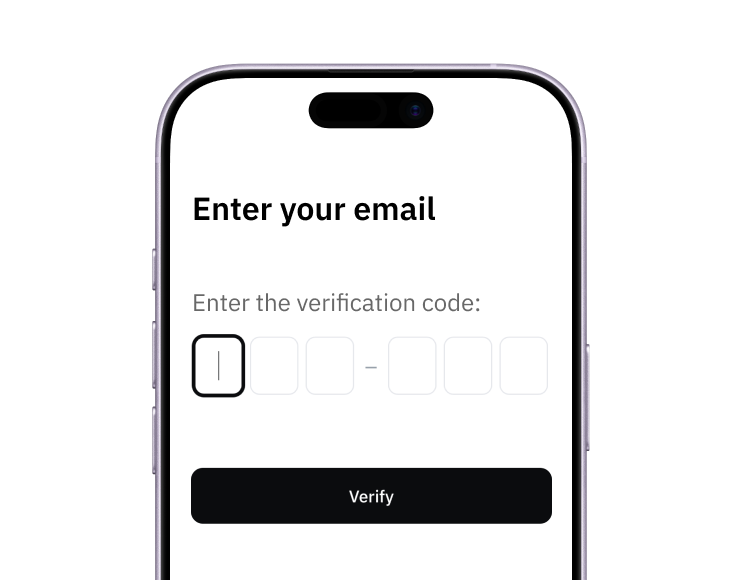
1. Sign up
Create your account from a web browser. No need to download an app.
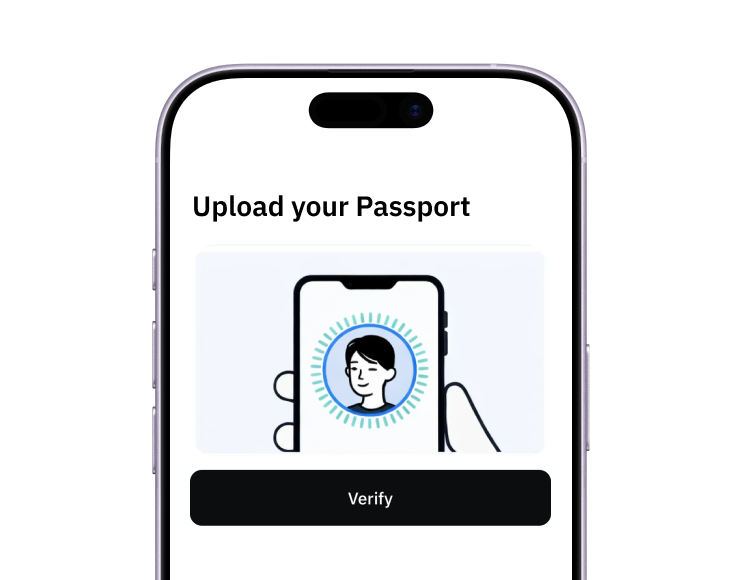
2. Verify
Verify you're a real person in 3 minutes, from the US or any of 120+ countries.
3. Fund
Add funds by debit/credit card, Apple Pay, Google Pay, bank transfer, stablecoins, or crypto.
Pay with Halocard
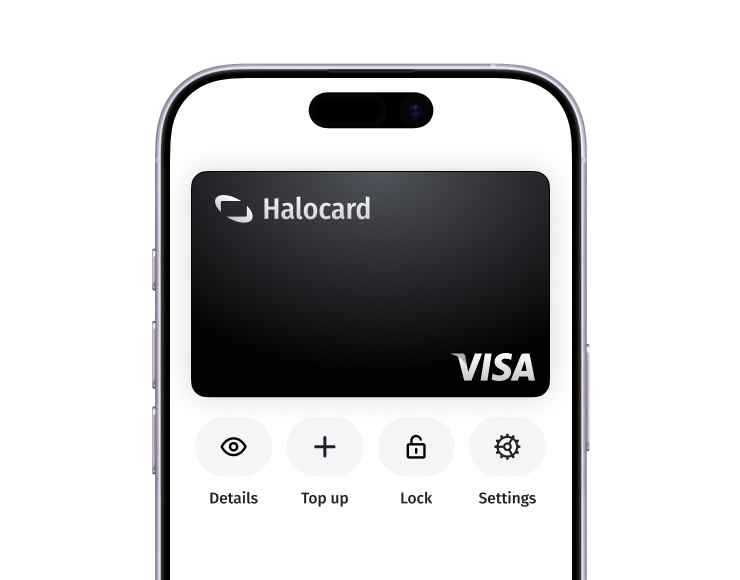
Pay online and in-person wherever Visa is accepted. You can also order a physical Halocard if you prefer.