Which Banks Offer Virtual Cards? 10 US Banks Compared (2026)

Edward Taylor

Quick Answer: If your bank doesn't offer virtual cards, Halocard is the best choice: a US-issued Visa credit card for customers in the US and 120+ countries, with a separate card for each merchant, and you keep your existing bank. Capital One, Citi and American Express let eligible credit cardholders create virtual card numbers. Goldman Sachs issues a virtual number with Apple Card, and Varo Bank gives new customers a virtual debit card. U.S. Bank, Bank of America, Wells Fargo and JPMorgan Chase issue virtual cards to business and commercial clients. Chase, Bank of America and Wells Fargo offer no virtual numbers on personal cards.
This question comes up often on r/CreditCards. One poster was paying $99 a year for a website builder and $169 for a music library they no longer used, and Adobe would not let them remove their card without adding another. They wanted a US bank app that could create a card for shopping online and cancel it a week later.
Most banks do not provide virtual card numbers, and those that do restrict them by account type. Some limit them to credit cards. Others offer them only to business clients. Below are the ten US banks that issue virtual cards today, what each one offers, and what to do if yours is not on the list.
Key Takeaways
-
Capital One has the most complete virtual card program of any US bank, covering both personal and business credit cards at no cost.
-
Citi and American Express also offer virtual numbers on personal credit cards, but only on eligible cards and with fewer controls.
-
Varo Bank is one of the few banks that issues a virtual debit card, available in the app before the physical card arrives.
-
Chase, Bank of America and Wells Fargo issue virtual cards only to business and commercial clients.
-
If your bank has no virtual card option, a dedicated provider such as Halocard can issue virtual cards without you changing banks.
Quick Comparison Table
| Bank | Virtual Card Type | Personal or Business | Virtual Cards Per Person | How You Get It | Cost |
|---|---|---|---|---|---|
| Capital One | Merchant-specific and single-use numbers on credit cards | Both | Multiple per card, no published cap | App, website, Chrome | Free |
| Citi | Virtual Account Numbers | Personal | Multiple per card, no published cap | Citi.com | Free |
| American Express | Google-based numbers; business virtual cards | Both | Personal: 1 per enrolled card. Business: no stated cap | Chrome, Android, Amex account | Free |
| Robinhood (Coastal Community Bank) | Free-trial, single-use, standard and agentic cards | Personal | No published cap on active cards; up to 5 new cards a day | Robinhood app | Robinhood Gold subscription |
| Goldman Sachs (Apple Card) | One virtual number plus device numbers | Personal | 1 virtual number, replaceable on request | Apple Wallet | No annual fee |
| Varo Bank | Virtual debit card | Personal | 1 | Varo app | No monthly fee |
| U.S. Bank | Instant Card virtual corporate cards | Business | Set by the employer; up to 500 issued at once | Instant Card app | By agreement |
| Bank of America | Single-use virtual account numbers | Business | 1 per payment | Travel booking tools | By agreement |
| Wells Fargo | Single-use virtual numbers for invoices | Commercial | 1 per invoice | WellsOne Commercial Card | By agreement |
| JPMorgan Chase | Virtual cards on commercial accounts | Commercial | Set by the employer | Commercial card program | By agreement |
Which Banks Offer Virtual Cards? The Full List
Most virtual cards from banks are attached to a credit card you already hold. The first six banks below offer them on personal accounts. The last four offer them only to businesses.
1. Capital One: Virtual Numbers on Every Eligible Credit Card
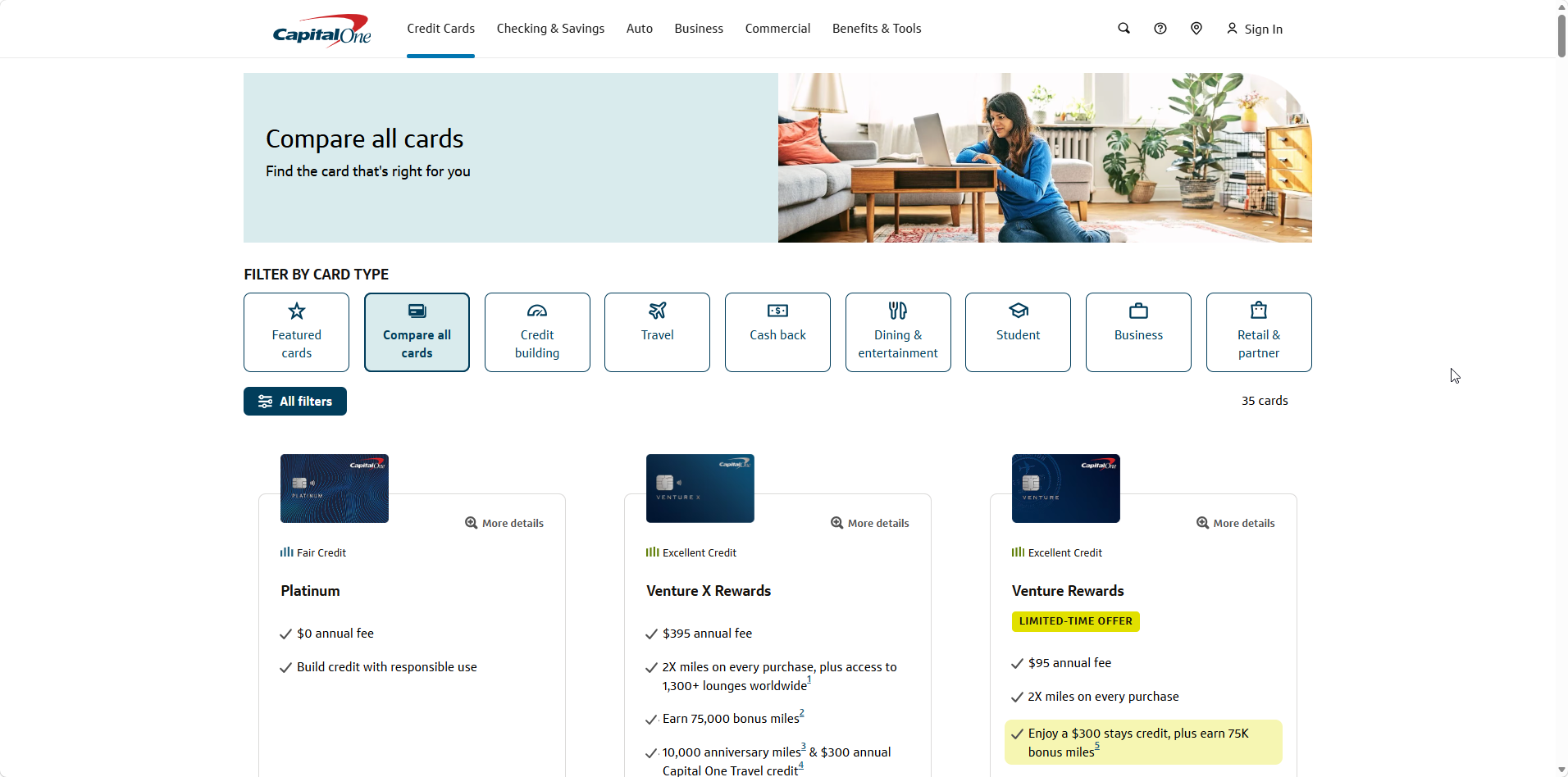
Eligible Capital One credit cardholders can create virtual card numbers in the mobile app, on the website, or through Google Pay autofill in Chrome. The Eno browser extension, which used to fill in the card number, expiration date and security code at checkout, was discontinued on September 30, 2026. Store-specific numbers work at one merchant. You can lock, unlock or delete a number without affecting your physical credit card, and purchases earn your normal rewards.
Capital One also gives free virtual cards to business cardholders, which you can assign to individual vendors for business expenses such as software subscriptions. These numbers stay active if the physical card is reported stolen.
2. Citi: Virtual Account Numbers Through Online Banking
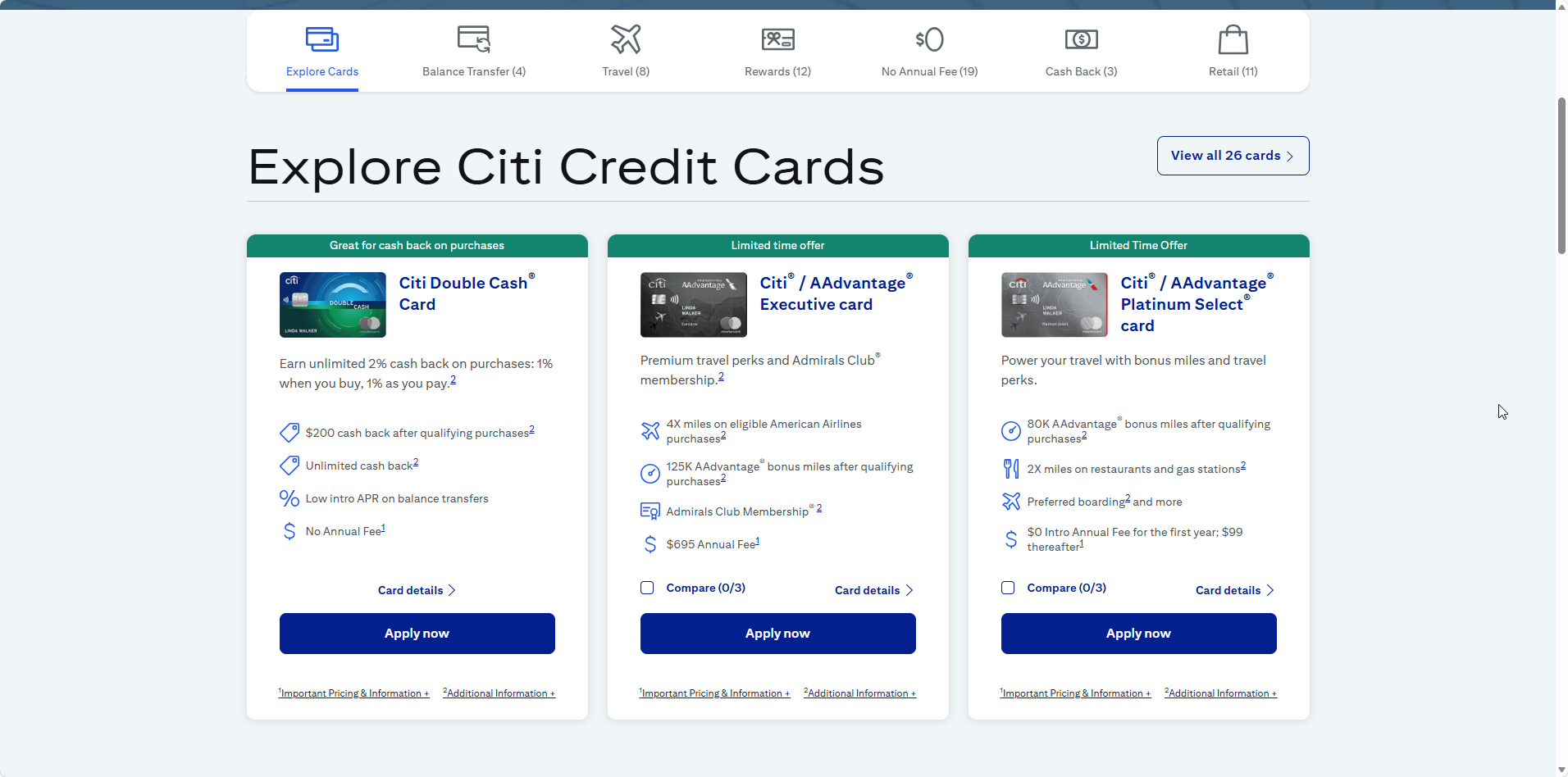
Citi's Virtual Account Numbers are created through your account online at Citi.com. You select an eligible card, generate a number, and choose a daily spending limit for it from a set of fixed amounts. Many Citi-branded consumer cards qualify, while some co-branded and store cards, including the Costco card, do not.
Citi changed its system in August 2025, and all numbers created before August 24 stopped working. Cardholders had to generate new numbers and update them with merchants.
3. American Express: Google-Based Numbers and Virtual Cards for Business Spending
On personal cards, Amex offers virtual numbers only through Google. You enroll an eligible US card in Chrome on a desktop or Android device, and Chrome replaces your card number with an alternate one when you spend online or in some Android apps, according to the Amex virtual card number FAQs. You must be signed in to Google, and Google keeps your real card number on file.
The business program is more useful. The Basic Card Member on most Amex Business Cards can create virtual cards with unique card details, a spending limit, an expiration date and an optional automatic reset. There is no fee and no stated cap on how many you create. Charges count against the main card's limit. These business virtual cards cannot be added to a mobile wallet, and the Amazon Business and Lowe's business cards are excluded.
4. Robinhood (Coastal Community Bank): Four Types of Virtual Card
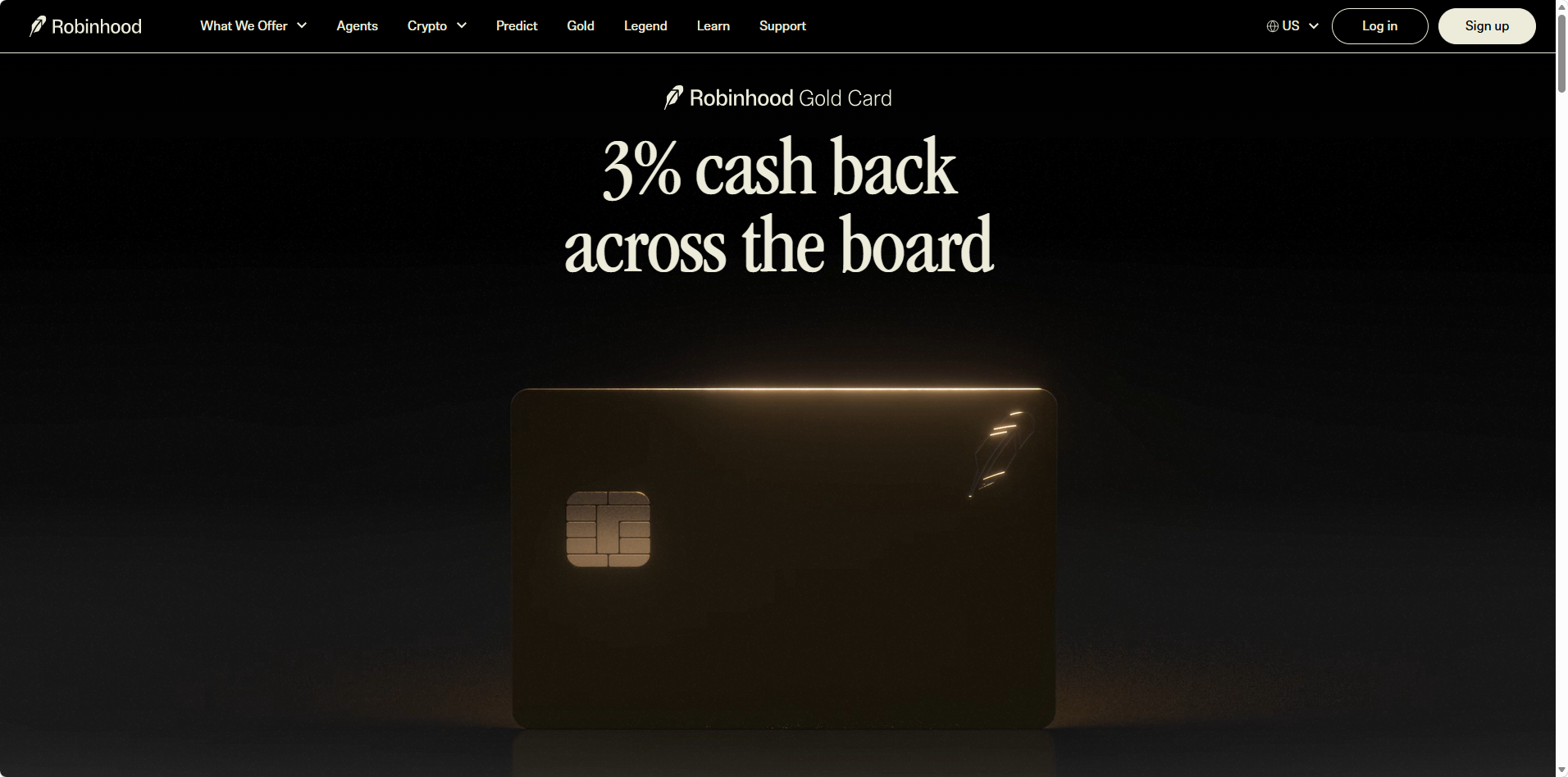
The Robinhood Gold Card is issued by Coastal Community Bank, Member FDIC. Robinhood itself is not a bank.
Cardholders can create four types of virtual card in the Robinhood app. Free-trial cards cancel 24 hours after you create them. Single-use cards approve only the first charge. Standard cards can have a per-transaction limit, a monthly limit and a cancellation date. Agentic cards are for purchases made by AI shopping agents. According to the Robinhood Gold Card FAQ, you can create up to 5 virtual cards a day, with no published cap on how many are active. Cards can be added to Apple Pay or Google Wallet for in-store payments.
You need a paid Robinhood Gold subscription, which Robinhood lists at $5 a month, plus credit approval. Accounts opened on or after July 1, 2026 pay a 3% foreign transaction fee.
5. Goldman Sachs (Apple Card): A Digital Card in Your Digital Wallet
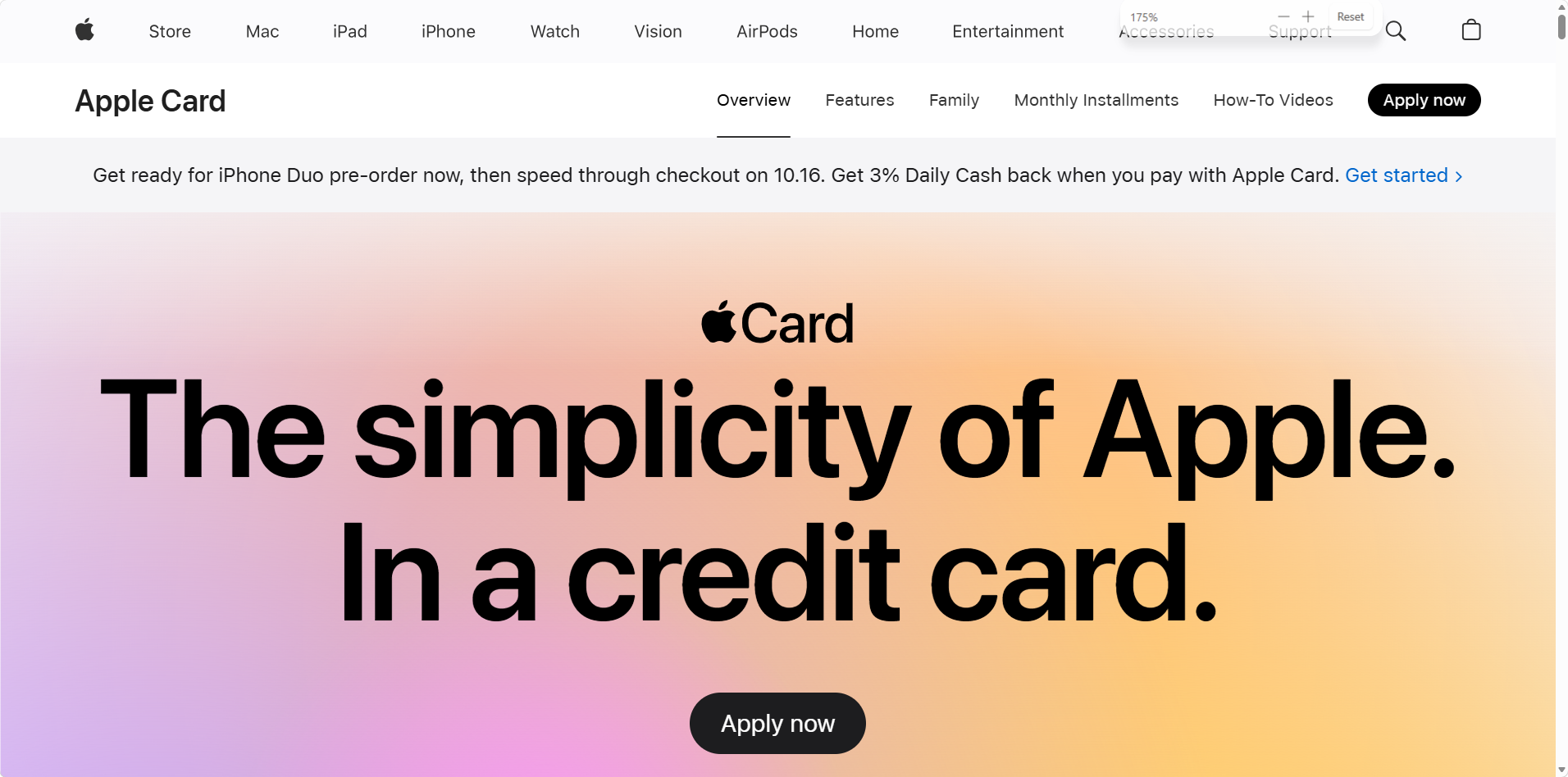
Apple Card is issued by Goldman Sachs. The titanium plastic card has no number printed on it. Apple Wallet holds a 16-digit virtual card number for sites that do not accept Apple Pay, and its security code changes. Each device also gets its own number for Apple Pay, approved with Face ID or Touch ID. Apple says Apple Pay is accepted at 85% of US retailers.
You get one virtual number, not one per merchant. JPMorgan Chase is taking over as issuer over roughly 24 months from January 2026, and card details may change during the move.
6. Varo Bank: A Virtual Debit Card on Account Opening
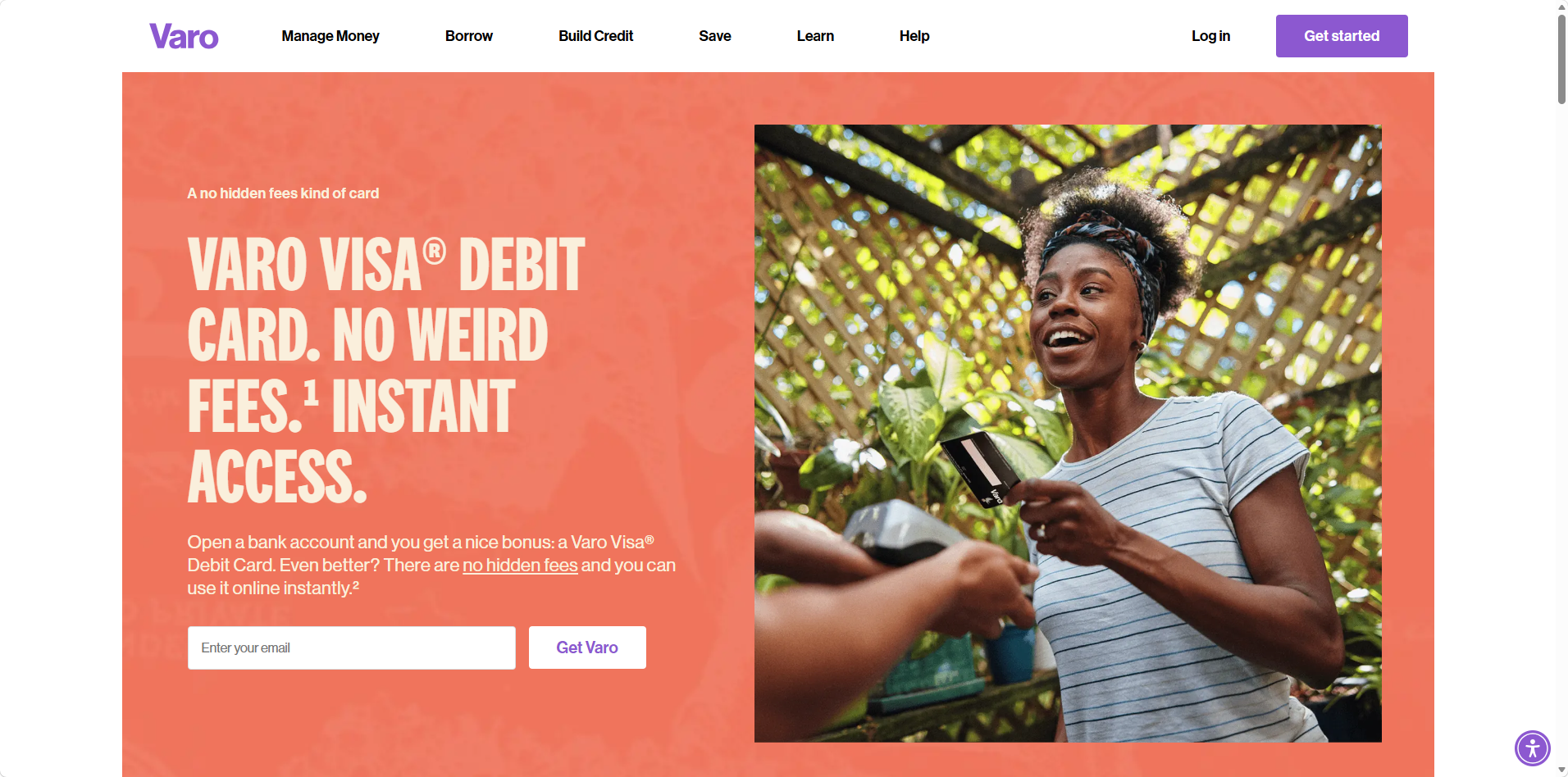
Varo Bank, N.A. is one of the few banks with a virtual debit card. Some new customers get early access to a digital card in the app, which can go into Apple Wallet or Google Wallet while the physical debit card is in the mail. Varo says it does not offer this to every customer. The account has no monthly fee, and you can lock the card in the app.
This is one card number for everyday spending, not a set of separate numbers for different merchants.
7. U.S. Bank: Instant Card for Corporate Cards
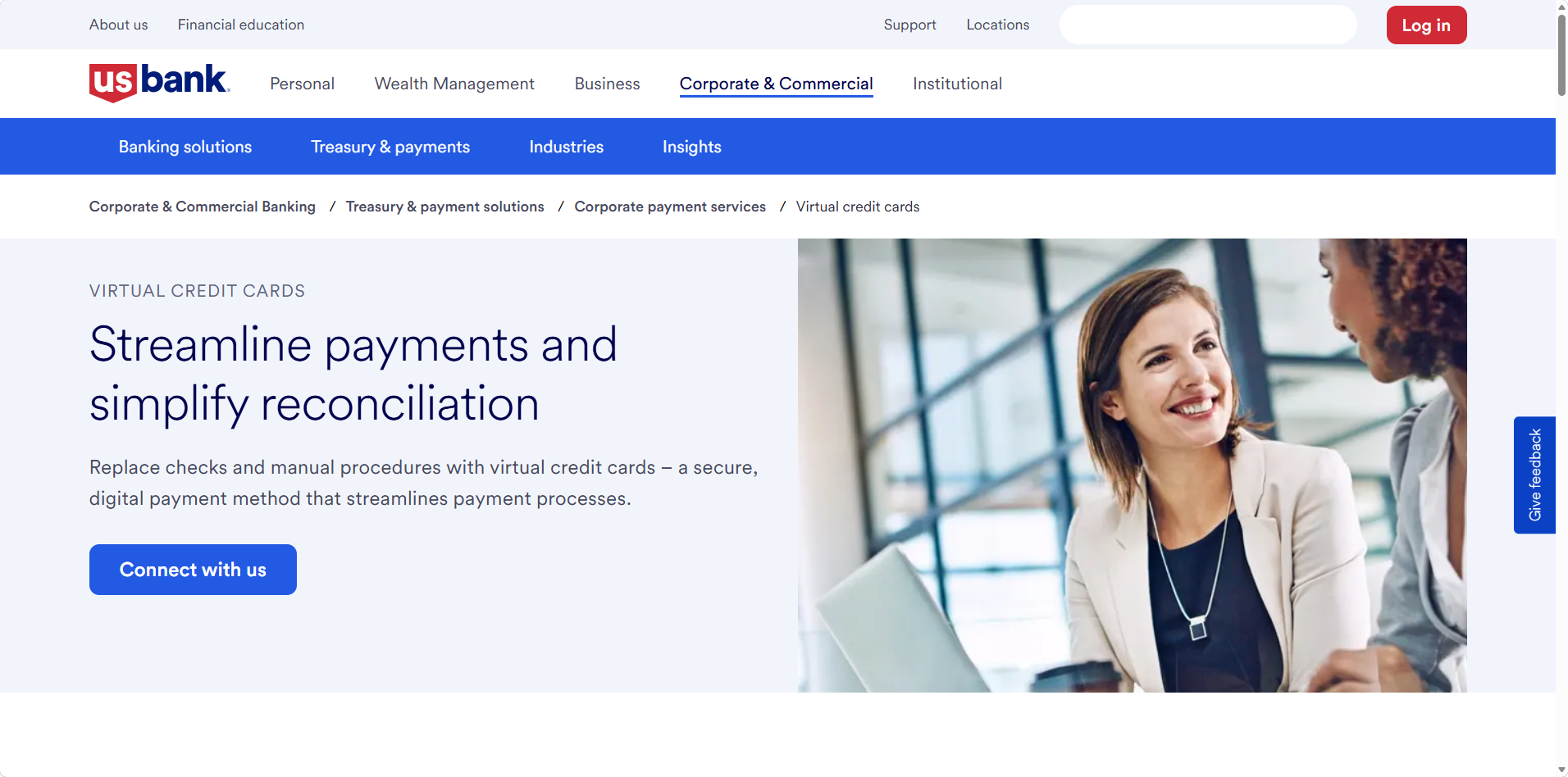
U.S. Bank's Instant Card is a virtual corporate credit card for employees, contractors and consultants who do not hold a company card. An administrator sets spending controls for each card, including a credit limit and expiration date, can block merchant categories, and sends the card to the person's phone. Up to 500 cards can be created at once from a file.
The card can be added to a mobile wallet for in-store use or used online, and wallet transactions show up in real time. It keeps operations moving when someone needs to pay for travel or supplies on short notice.
8. Bank of America: Single-Use Numbers for Business Travel
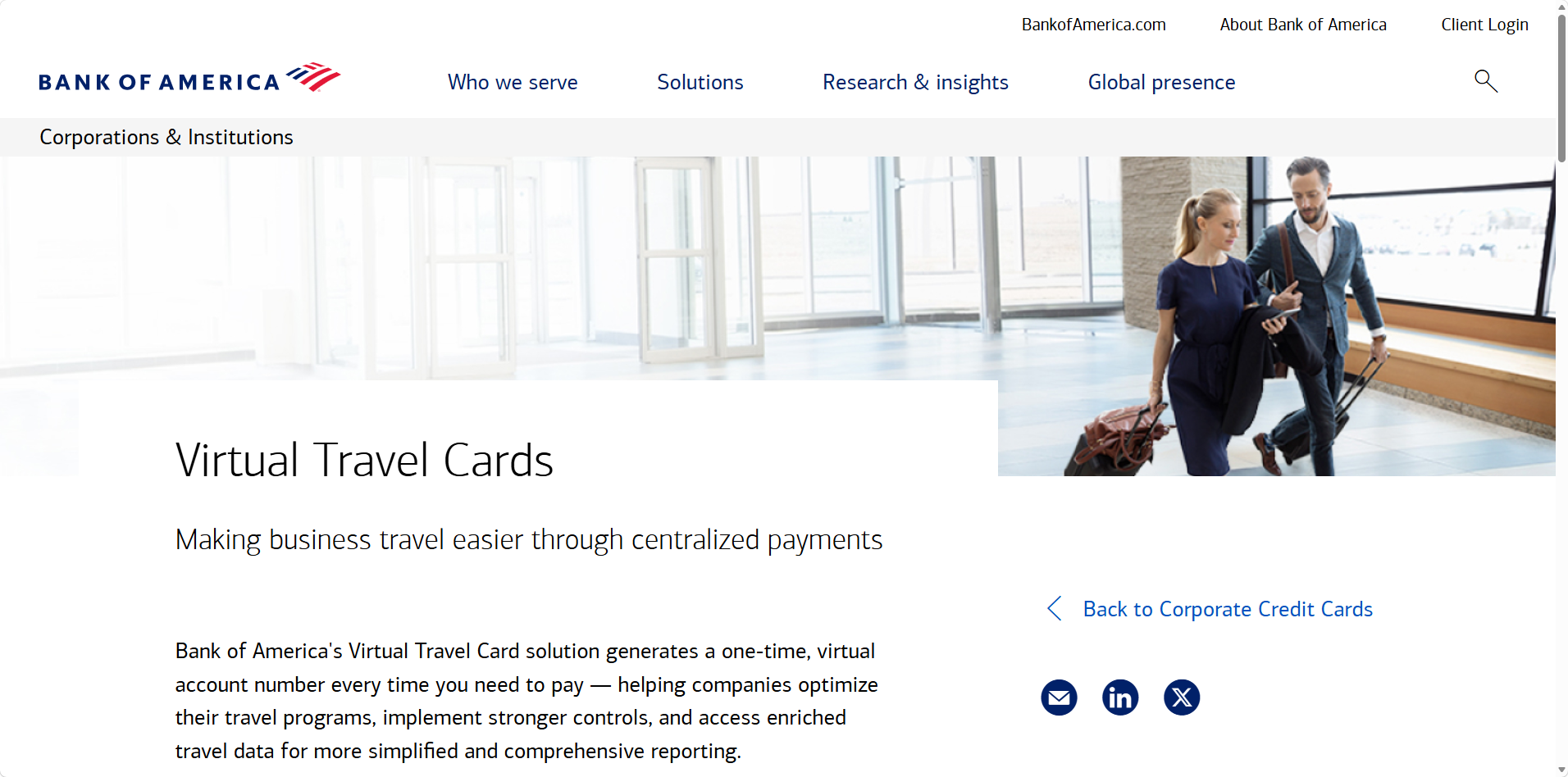
Bank of America does not offer virtual numbers on personal cards. Its business clients can use virtual travel cards that generate a one-time account number for each payment. Administrators set limits on dollar amounts, approved suppliers and time windows, and the program connects to online booking tools for travel bookings. Our guide to Bank of America virtual cards covers what personal customers get instead.
9. Wells Fargo: Virtual Card Payments for Commercial Clients
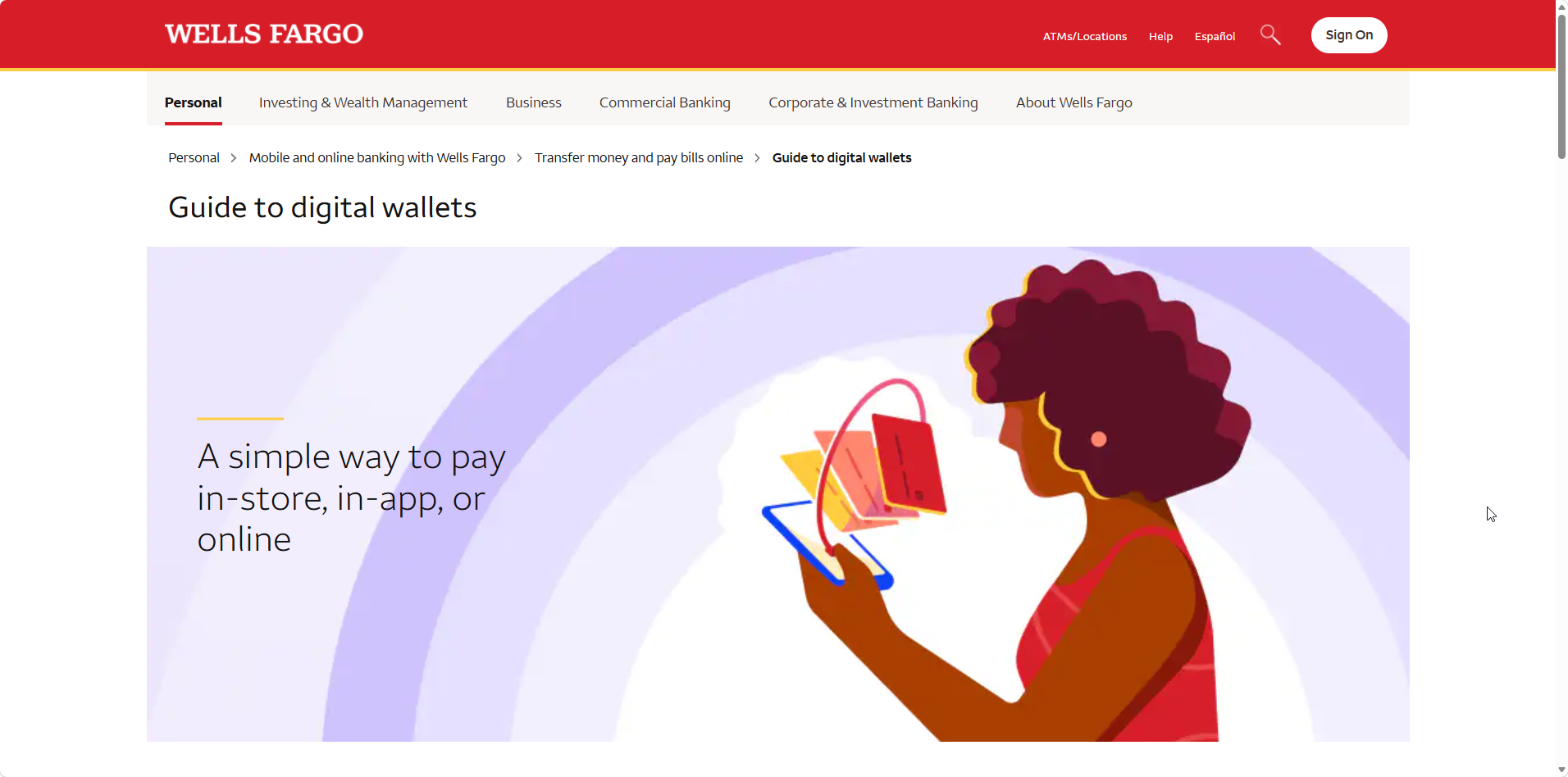
Wells Fargo's WellsOne Virtual Card Payments service is for WellsOne Commercial Card customers. Each supplier invoice gets a virtual number that works once, for the exact amount. On personal cards, Wells Fargo only offers the tokenized number created when you add a card to Apple Pay, Google Pay or Samsung Pay.
10. JPMorgan Chase: Virtual Cards for Commercial Accounts Only
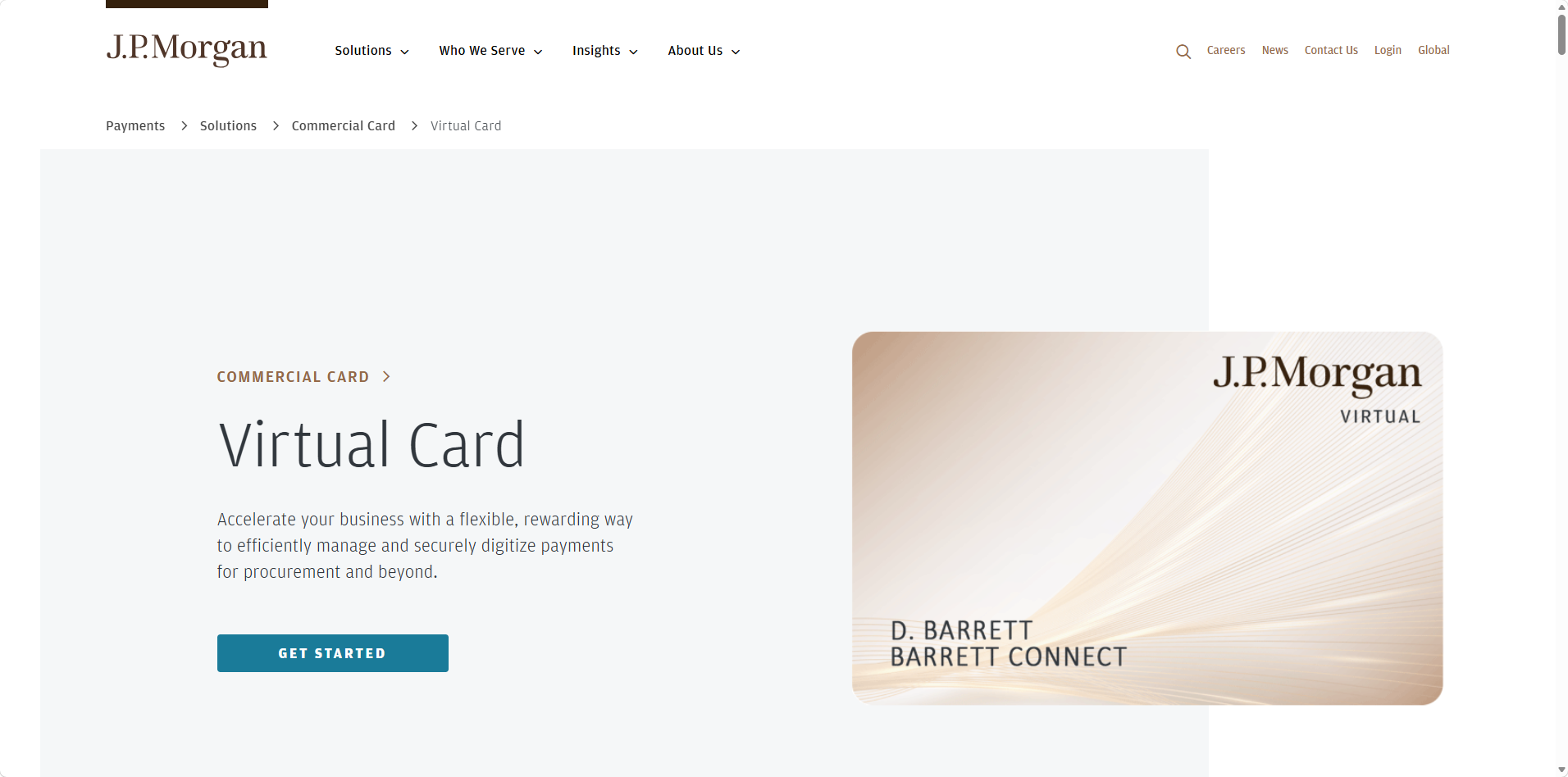
Chase says it does not offer virtual credit card numbers on personal cards. On commercial card accounts, Chase issues virtual cards to employees that can be added to a mobile wallet and used right away. Small business Ink cardholders can add employee cards, but these are physical cards, not virtual numbers.
Which Big Banks Don't Offer Virtual Numbers for Online Payments
Chase, Bank of America, Wells Fargo and U.S. Bank do not offer virtual numbers on personal cards. Bank of America had a service called ShopSafe but ended it in September 2019. All four offer virtual cards only through business or commercial programs.
What personal customers get instead is a digital wallet token, created when you add a card to Apple Pay, Google Pay or Samsung Pay. The token protects your card number when you tap in a store or pay in an app. It does not give you a separate number to type into a checkout form, and it cannot be locked to one merchant.
What If Your Bank Doesn't Offer Virtual Cards?
You do not need to switch banks. Halocard is not a bank. It is a US fintech that issues virtual cards outside traditional banking, so you keep your existing bank account for everything else.
Halocard is a US-issued Visa credit card, for customers in the US and 120+ countries, with no credit check. You load funds and create cards: 3 on the $15-a-month Essential+ plan, up to 50 on Elite+ (more on annual plans). You can set spending limits on each card per transaction, per day and per month, freeze any card instantly, and choose the billing address.
Apple Pay and Google Pay work on every card, and a physical card is also available. You fund your balance by debit/credit card, Apple Pay, Google Pay, bank transfer, stablecoins, or crypto. Dollar purchases have no fee, and other currencies cost 1.5%.
Protecting Financial Information Without a Bank Virtual Card
A separate card for each merchant limits the damage when one merchant is breached. Security.org's 2026 fraud survey found that 51% of cardholders put autopay bills and daily purchases on the same card, and that 22% of fraud victims had repeat charges from the same merchant, up from 12% in 2024. The report recommends keeping recurring payments and daily spending on different cards.
The FTC's 2024 Consumer Sentinel Data Book recorded 449,032 credit card identity theft reports, the most common type. The Nilson Report puts 2024 card fraud losses at $33.41 billion worldwide, with the US accounting for 41.87% of losses on 26.31% of card volume. FICO projects card-not-present fraud near $49 billion globally by 2030.
What Halocard does not do: it has no checking account, no lending, no rewards or cash back, and no QuickBooks Online integration. For more, see our ultimate guide to virtual cards, how virtual credit cards work, and virtual cards with a US billing address.
How to Get Halocard
-
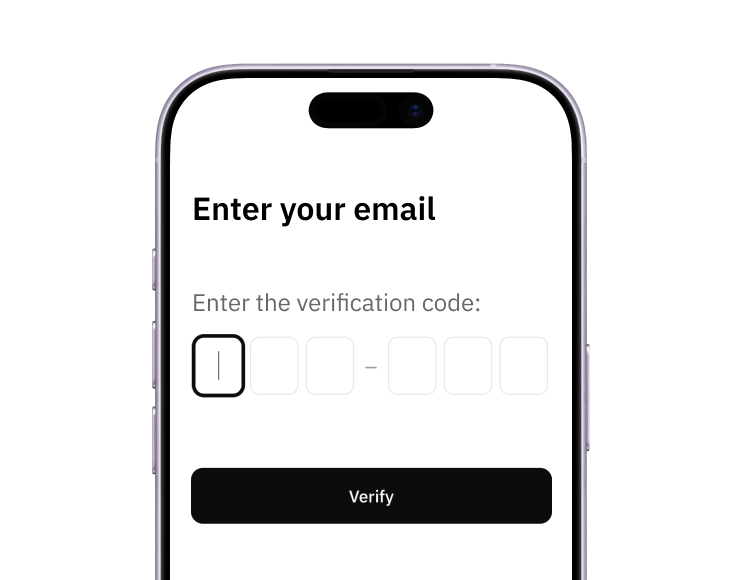
Sign up in your browser or with your phone number.
-
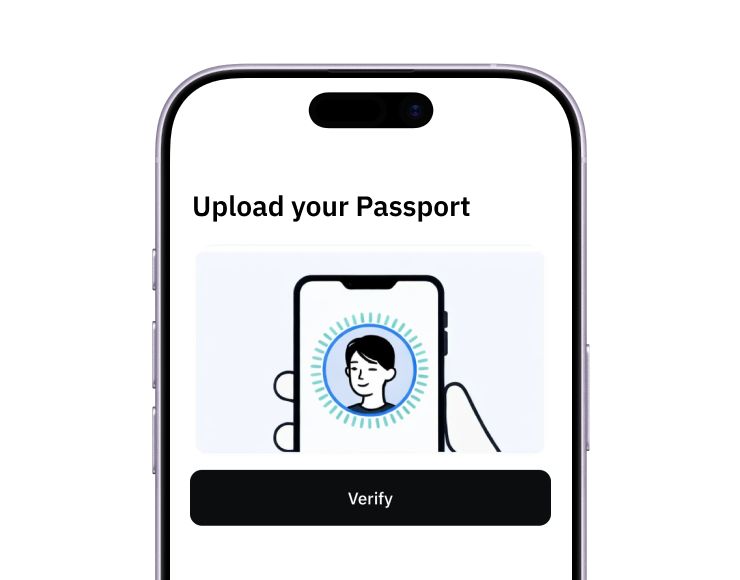
Verify your identity in under three minutes. Non-US residents do not need an SSN.
-
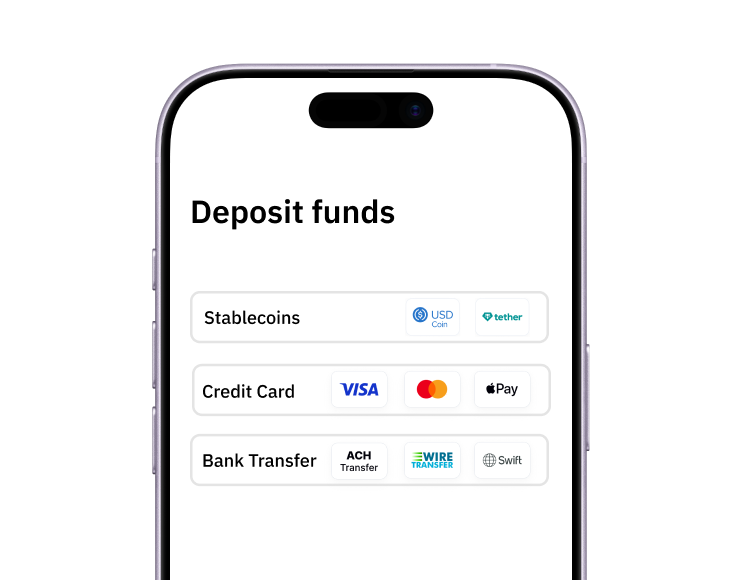
Add funds by debit/credit card, Apple Pay, Google Pay, bank transfer, stablecoins, or crypto.
-
Create a card for each merchant and set its limits and billing address.
-
Add it to Apple Pay and Google Pay if you want to pay in store.
Frequently Asked Questions
How Do Virtual Credit Cards Work?
A virtual card has its own card number, expiration date and security code, linked to your account but different from the numbers on your physical card. Depending on the bank, a number may work once, at one merchant, or anywhere online. If a merchant is breached, only that number is exposed, and you can cancel it and get a new card number without replacing your physical card. Our guide on how to use a virtual card covers checkout.
Can I Get a Virtual Debit Card From My Bank?
Few banks offer one. Most bank virtual card programs, including Capital One's, apply only to credit cards. Varo Bank offers a virtual debit card to some new customers. With other banks, you can add your physical debit card to Apple Pay or Google Pay, which gives you a token for in-store and in-app payments but not a separate number for websites. If you hold multiple accounts at one bank, check each card, since eligibility is set card by card.
Can I Use a Bank Virtual Card In Store?
Only through a digital wallet. Apple Card, Varo's digital card and U.S. Bank Instant Card can be added to a mobile wallet for tap-to-pay. Citi, Amex and Capital One virtual numbers are for online purchases, and a store may ask for your physical card to process a return.
Which Bank Is Best for Small Business Virtual Cards?
For a small business with an existing card, Capital One and American Express are the simplest choices. Both create business virtual cards at no extra cost, and Amex lets you set a limit, expiration date and reset period on each one. See our roundup of the best virtual credit card options for small business.
Which Bank Virtual Cards Help With Expense Management and Real Time Visibility?
U.S. Bank Instant Card shows mobile wallet transactions in real time and sends daily reporting to its Access Online platform for employee expenses. Amex business virtual cards let you sort transactions by project or subscription. If you need approval workflows before a card is issued, ask the bank directly, since these features vary by commercial agreement.
Are Virtual Cards Safer Than a Physical Card?
For online purchases, yes. A virtual number adds an extra layer between your account and the merchant, and a spending limit stops unauthorized charges above the amount you set. Our guides on whether virtual credit cards are safe and recovering from a hacked card have more detail.
Is the Robinhood Gold Card a Bank Card?
It is issued by Coastal Community Bank, but Robinhood itself is not a bank. Commenters in the Reddit thread recommended it for its single-use and free-trial virtual cards. It requires a paid Robinhood Gold subscription.
Can a Virtual Card Be Traced?
Yes. The merchant does not see your real card details, but the bank or card issuer does. It knows who owns the account, keeps a record of each transaction, and responds to lawful requests.
Sources
-
Reddit. Which US Banks Offer One-Time or Virtual Cards?
-
Capital One. What Are Virtual Card Numbers?
-
Capital One. Virtual Cards for Business
-
AwardWallet. Citi Virtual Account Numbers
-
Upgraded Points. Citi Updating Virtual Credit Card System
-
American Express. Virtual Card Number FAQs
-
American Express. Virtual Cards for Business
-
Wharton Baker Retailing Center. How Apple Pay Became Ubiquitous at Retailers
-
Pulse 2.0. Chase to Become New Issuer of Apple Card
-
Varo Bank. Find the Right No-Fee Virtual Debit Card
-
U.S. Bank. Instant Card
-
Bank of America. Virtual Travel Cards
-
Electronic Payments International. Wells Fargo Launches Virtual Card Payments Service
-
Chase. Benefits of a Virtual Card Number
-
Doctor of Credit. Chase to Issue Instant Virtual Cards on Commercial Accounts
-
Doctor of Credit. Bank of America Discontinues ShopSafe
-
Security.org. 2026 Credit Card Fraud Report
-
Nilson Report. Global Card Fraud Losses at $33 Billion
-
FICO. Card-Not-Present Fraud Remains a Leading Concern
Sourced on October 14, 2026
*Please see Halocard's Terms of Service or Pricing for the most up to date pricing and fee information. This publication is provided for general information purposes and does not constitute legal, tax or other professional advice from Halocard LLC or its subsidiaries and its affiliates, and it is not intended as a substitute for obtaining advice from a financial advisor or any other professional. We make no representations, warranties or guarantees, whether expressed or implied, that the content in the publication is accurate, complete or up to date.
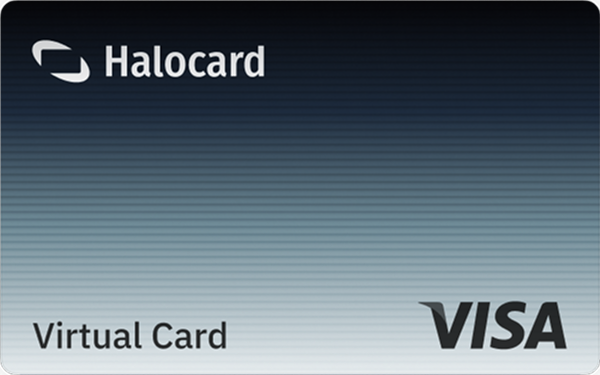
Halocard Virtual Cards

Instant approval
Create your first card in under 5 minutes.

Private purchases
Purchases never appear on your bank account.

Powered by Visa
Accepted at 175M+ merchants globally.
3 steps to create your virtual credit card
1. Sign up
Create your account from a web browser. No need to download an app.
3. Fund
Add funds by debit/credit card, Apple Pay, Google Pay, bank transfer, stablecoins, or crypto.
Pay with Halocard
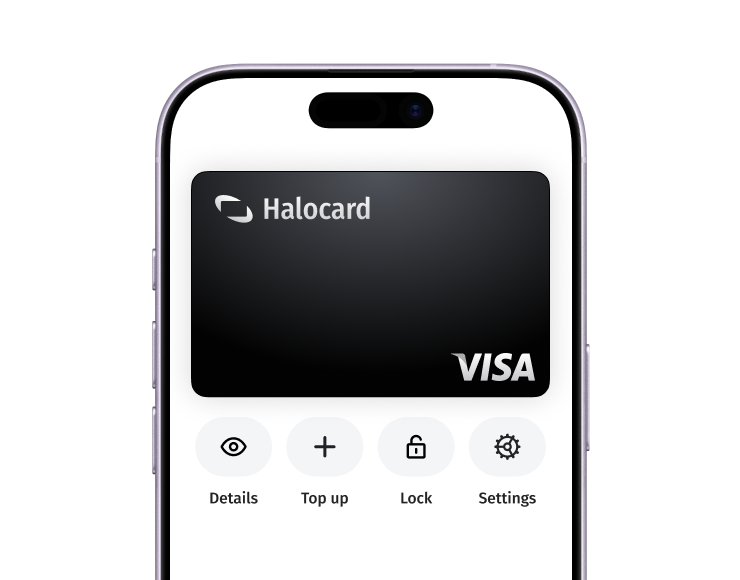
Pay online and in-person wherever Visa is accepted. You can also order a physical Halocard if you prefer.