6 Best Virtual Card Providers (2026): Credit & Debit

Edward Taylor

Halocard is the best virtual card provider for most people in 2026. It's a US-issued Visa credit card, for customers in the US and 120+ countries, with a separate card for each merchant, a custom billing address on every card, and no bank account to link. It works like a debit card, spending only the balance you load, but because it's a Visa credit card it's accepted where debit and prepaid cards get declined. The others fit narrower needs: Wise and Revolut for travel and multi-currency spending, and Privacy.com for US residents happy to link their bank account.
The best virtual cards are:
- Halocard: best for private purchases and subscriptions
- Wise: best for travel and multi-currency spending
- Revolut: best for global travel and online shopping
- Privacy.com: best for US residents managing subscriptions and free trials
- Ivy by IronVest: best for masked cards inside a browser security extension
- US Unlocked: best for a US billing address on US shopping sites
Quick Comparison of the Best Virtual Card Providers
| Provider | Best For | Who Can Sign Up | Cost | Funding | Trustpilot |
|---|---|---|---|---|---|
| Halocard | Private purchases and subscriptions | US and 120+ countries | From $15/month | Card, Apple Pay, Google Pay, Bank Transfer, Stablecoins & Crypto | 4.2/5 |
| Wise | Travel and multi-currency spending | Cards in about 60 countries and territories | Free virtual card, after a $9 physical card in the US | Your Wise account balance | 4.3/5 |
| Revolut | Global travel and online shopping | The UK, Europe, the US and other markets | Free plan; US paid plans from $9.99/month | Bank transfer, debit or credit card | 4.7/5 |
| Privacy.com | US subscriptions and free trials | US residents only | Free plan; paid plans $5 to $25/month | Linked US bank account or debit card | 4.5/5 |
| Ivy by IronVest | Masked cards in a browser extension | US residents only | Free plan; Pro $10.99/month | Debit or credit card, or ACH once approved | 2.4/5 (IronVest's earlier app) |
| US Unlocked | A US billing address on US shopping sites | Most countries, not the US | $4.95/month | Crypto, bank transfer or card | 1.9/5 |
How We Chose the Best Virtual Card Providers
When choosing a virtual card provider you should evaluate a virtual card's key features including who can sign up, funding options, spending limits, 3D secure support, merchant acceptance and associated fees. We compared each provider on:
- Fees: the monthly plan price, plus what it costs to load money and spend in other currencies
- Funding: how you put money on the card, and whether you have to link a bank account
- Spending controls: limits, freezing, and single-use or merchant-locked cards
- Merchant acceptance: whether the card goes through at US merchants that decline debit and prepaid cards
- Privacy: whether your purchases show up on your bank statement, and what the provider does with your data
- Who can sign up: which countries each provider is open to
For more information on virtual card types, see our simple guide on different types of virtual cards.
Virtual Debit Card or Virtual Credit Card?
Most people searching for the best virtual debit card want a card that spends money they already have, with no debt and no credit check. That's why Halocard is our pick for the best virtual debit card too. Halocard works like a debit card: you spend the balance you load, with no credit line and no credit check. Because it's a Visa credit card underneath, it's also accepted at merchants that decline debit and prepaid cards, which is where most virtual card payments fail.
Of the other providers here, Wise and Revolut issue virtual debit cards linked to your account balance, and Privacy.com issues cards that draw straight from your linked US bank account. So if you want the best virtual debit card:
- For privacy and acceptance: Halocard, funded by debit/credit card, Apple Pay, Google Pay, bank transfer, stablecoins, or crypto
- For US residents who want cards linked to their bank: Privacy.com
- For travel and multi-currency spending: Wise or Revolut
If you're in the US and only comparing virtual credit cards, including bank options like Capital One, see our guide to the best virtual credit cards in the US.
1. Halocard
- Type: US-issued Visa credit card
- Card issuer: Third National
- Company: Halocard LLC, USA
- Supported Regions: US and 120+ countries
- Trustpilot: Rated 4.2/5 (11 reviews)

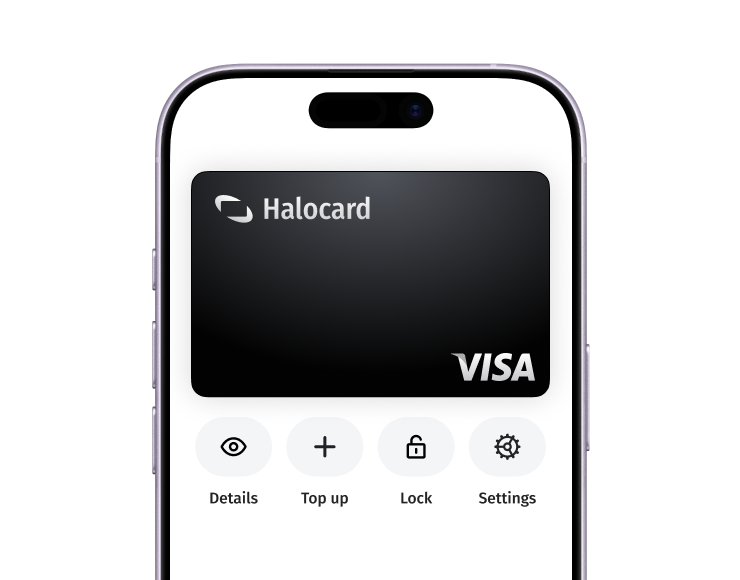
Halocard stands out as the premier virtual card provider for users prioritizing privacy, security, and control over their online transactions. Unlike a physical credit card, which holds permanent information, the Halocard Virtual Card gives you separate card details for each merchant to enhance security for online transactions.
Halocard's virtual card numbers are issued by Third National on the Visa network, so they're accepted at 175M+ merchants worldwide, giving individuals a secure and private way to pay online.
The virtual card can be created in just a few minutes with your phone number and basic identity details, making it one of the fastest and most accessible options in the market. Acquiring a new virtual card is instant.
With a clear focus on safeguarding user data and ensuring privacy, Halocard has redefined what it means to transact securely online as it provides users with greater control over their financial wellbeing.
Halocard Features
Halocard delivers a robust set of features that cater to both convenience and security. The card is issued as a US Visa credit card, ensuring compatibility with a vast network of online merchants worldwide.
Users can create their first virtual card with a phone number and basic identity details. This means it takes just a few minutes to go from sign-up, to receiving your virtual card information, to making an actual purchase, an absolutely standout response time compared to all of the major issuers of virtual cards.
A standout feature is its 3D Secure by Visa integration, which adds a two-factor authentication layer via one-time passwords whenever a merchant requests 3D-Secure verification. This additional layer of security helps keep sensitive data protected and helps payments go through at US merchants such as Amazon, Walmart and Best Buy, which often decline cards issued outside the US.
Halocard also allows users to load funds instantly by debit/credit card, Apple Pay, Google Pay, bank transfer, stablecoins, or crypto, with bank transfers in USD, CAD, EUR or GBP, for even greater flexibility. Every card can also be added to Apple Pay and Google Pay to pay in store.
This ensures seamless compatibility and simplifies subscription management. The ability to freeze and unfreeze cards instantly, coupled with spending controls, allows users to customize their financial interactions with unmatched precision.
Halocard Advantages
Halocard's primary advantage lies in its unwavering focus on privacy and security. Transactions made with Halocard remain completely private and are not linked to the user's primary bank account or actual card details.
This makes it ideal for those who want more control of their financial privacy, whether for managing content subscriptions, purchasing exclusive memberships, or shopping online.
The instant card creation feature is a significant time-saver, allowing users to start using their virtual card within just a few minutes, and without the need to wait for a physical card number.
Halocard's spending controls give users the ability to limit their financial exposure by determining how much to load onto the card and when to freeze it, ensuring no unwanted charges.
Halocard also offers excellent fraud protection. By acting as a buffer between the user's primary financial accounts and potentially unverified merchants, it minimizes the risk of data breaches and fraudulent activity.
Furthermore, the card's accessibility adds another layer of convenience, especially for frequent shoppers or those managing multiple subscriptions.
Halocard Disadvantages
Despite its many benefits, Halocard has a few limitations. There is a monthly subscription, which may cost more than some other virtual card providers. While this fee pays for the card's privacy and security features, it may deter those seeking a lower-cost option, or virtual cards exclusively for activating free trial subscriptions.
Halocard Best Uses
Halocard is perfectly tailored for individuals and businesses seeking privacy and control over their financial transactions. Financial security is at the forefront of Halocard's offerings.
It is particularly beneficial for users managing subscriptions or making purchases from new or unverified merchants.
A significant benefit is that Halocard never reports to credit bureaus, so your transaction history never affects your credit report. And with Halocard's privacy-first approach, Halocard never sells your data to third parties.
Freelancers, small business owners, and anyone who prioritizes financial privacy will find Halocard to be a valuable tool.
Halocard Fees & Costs
Halocard maintains a straightforward fee structure. Plans start from $15 per month for up to 3 virtual cards (more on annual plans). Initial deposit starts from $30. Funds can be loaded by debit/credit card, Apple Pay, Google Pay, bank transfer, stablecoins, or crypto. This transparent pricing eliminates hidden charges or inactivity penalties.
With its strong focus on privacy, security, and user control, Halocard is a top-tier choice for those seeking a reliable virtual card solution for both personal and professional use. Its robust features and commitment to financial privacy make it an unmatched option in the virtual card market.
2. Wise
- Type: Money Service Business (MSB)
- US card issuer: Lead Bank
- Headquartered: London, UK
- Supported Regions: Cards in about 60 countries and territories
- Active Users: 18.9 million (Wise's 2026 financial year)
- Review Score: 4.3/5

The Wise Virtual Card, offered by Wise (formerly TransferWise), is a versatile and innovative solution for individuals and businesses seeking to simplify their financial transactions.
As an extension of Wise's widely used international money transfer platform and their physical card, the virtual card provides users with a secure and efficient way to manage expenses, both online and offline.
The Wise Virtual Card can be stored in a digital wallet like Apple Pay and Google Pay, allowing for contactless payments and providing an extra layer of protection against fraud.
With support for 40+ currencies and real-time exchange rates, the Wise Virtual Card has become a preferred choice for frequent travelers and consumers relying on competitive foreign exchange rates to make frequent international and cross-border transactions.
Wise Features
The Wise Virtual Card is designed to offer convenience and security. Users can hold 40+ currencies at once, converting them in real-time using the mid-market exchange rate, a feature that minimizes hidden fees.
The Wise Virtual Card operates as a virtual debit card drawn on your Wise balance, with card details separate from your physical card that you can freeze or replace in the app.
The card works with mobile wallets such as Apple Pay and Google Pay. Users can hold up to 3 virtual cards at a time, making it easy to allocate budgets or manage spending across different categories.
The card's freeze-and-unfreeze feature provides an added layer of security. All virtual card details are distinct from any physical Wise card, ensuring privacy and security in online transactions.
Wise Advantages
The Wise Virtual Card stands out for its global usability and cost-effectiveness. Its integration with the Wise app enables users to manage currencies, make payments, and monitor spending all in one place.
With currency conversion at the mid-market rate and a small conversion fee (from from 0.23% in the US), it is ideal for international travelers and cross-border users shopping online. Additionally, the Wise Virtual Card is particularly advantageous for online shopping, providing secure and efficient payment options for e-commerce enthusiasts.
The ability to freeze and replace card details instantly ensures security in case of suspicious activity, offering peace of mind to users.
Moreover, the virtual nature of the card eliminates the risk of physical theft and reduces plastic waste, aligning with sustainable practices.
Wise Disadvantages
Despite its many advantages, the Wise Virtual Card is not without limitations. A Wise card is a debit card issued in the region your account is registered in, so only US residents get a US-issued card, and some US websites decline cards issued elsewhere.
Additionally, while the virtual card itself is free, users must first order a physical Wise debit card to activate the virtual version, which costs $9 in the US and £7 in the UK.
Another consideration is that Wise's mid-market exchange rates, though transparent, may still result in minor discrepancies when compared to local bank rates, which some users might find inconvenient.
The fact that Wise makes its potential virtual card holders go through an extensive KYC process is another major drawback. Getting your identity verified through Wise can be challenging and time-consuming.
Wise Best Uses
The Wise Virtual Card is best suited for frequent travelers, online shoppers, and environmentally conscious individuals.
Travelers benefit from its real-time currency conversion and global acceptance, while e-commerce users can utilize its unique card details for secure purchases from unfamiliar websites. It also caters to users who prioritize convenience, allowing for immediate activation through the Wise app.
Businesses managing international expenses can find value in the card's multi-currency functionality, simplifying payments to global vendors or remote employees. For anyone concerned about security, the card's freeze-after-use feature provides unparalleled protection against fraud.
Wise Fees & Costs
The Wise Virtual Card is free for users with personal or business Wise accounts, with no activation or maintenance fees. Currency conversions are conducted at the mid-market exchange rate, accompanied by a small, transparent conversion fee.
However, obtaining the card requires an active Wise account and a physical card, which carries a one-time fee of $9 in the US.
3. Revolut
- Type: Fintech; a licensed bank in the UK and EU
- US card issuer: Lead Bank
- Headquartered: London, UK
- Supported Regions: The UK, Europe, the US and other markets
- Active Users: 68 million retail customers (end of 2025)
- Review Score: 4.7/5

Revolut, a renowned fintech company based in the United Kingdom, offers virtual cards that cater to users seeking secure and flexible payment solutions.
Revolut offers virtual debit cards on every plan as a secure option for online transactions, protecting personal card details and minimizing fraud risks. Its credit cards, including a virtual credit card, are sold only in Brazil, Ireland, Lithuania, Poland, Spain and the US, subject to a credit check.
With features like single-use cards and multi-currency support, Revolut stands out as a reliable option for online shoppers, global travelers, and those who value advanced digital tools for managing finances.
Revolut Features
Revolut's virtual cards are fully digital, accessible through its app, and include both single-use and multi-use options. Single-use cards generate new details after each transaction, ensuring top-tier security for online purchases.
Multi-use cards are suitable for recurring payments and can be linked to digital wallets with Apple Pay or Google Pay for contactless payment methods.
Revolut supports 30+ currencies with competitive exchange rates, making it ideal for international payments.
Users can also freeze or unfreeze cards instantly and receive real-time transaction notifications for added control and security.
Revolut Advantages
The Revolut virtual card is an excellent choice for international users, offering support for multiple currencies and cost-effective exchange rates.
Single-use cards provide enhanced security, particularly for one-time purchases or less trusted merchants.
Real-time spending updates and the ability to set limits make the card a practical budgeting tool. Revolut's app-centric approach ensures seamless access and control over all card functions.
Revolut Disadvantages
Some features, such as unlimited single-use cards and higher limits, require a paid subscription, which may deter users seeking a free solution.
The number of cards available to free-tier users is also limited. Additionally, Revolut's services are not accessible in all countries.
Also worth noting about the Revolut virtual card is that it also requires extensive KYC verification, which can make obtaining a virtual card a painstaking and difficult process.
Furthermore, the Revolut virtual card is also akin to a regular bank account, which combined with KYC requirements means that this virtual card does not offer the same kind of privacy benefits as others, mainly Halocard.
Revolut Best Uses
This card is ideal for global travelers, online shoppers, and those managing subscriptions. Its security features make it perfect for purchases on unfamiliar websites, while multi-currency support benefits frequent international spenders.
Revolut Fees & Costs
In the US, Revolut's free Standard plan includes virtual cards with no issuance fee, and extra physical cards cost $4.99 each. Bank transfers are free, while topping up by debit card costs up to 1% and by credit card up to 3%.
Out-of-network ATM withdrawals cost up to 2%, and currency exchanges above $1,000 a month carry a 0.5% fair usage fee.
4. Privacy.com
- Type: Virtual Card Provider
- Funds held by: Patriot Bank, N.A.
- Headquartered: New York, USA
- Supported Regions: United States Only
- Active Users: 250,000+
- Review Score: 4.5/5 (3,358 reviews)

Privacy.com offers a secure virtual card solution designed to safeguard users' financial information during online transactions. Recognized for its dedication to protecting user privacy, Privacy.com enables individuals to generate unique virtual card numbers tailored to specific transactions or merchants. This approach minimizes the risk of exposing sensitive financial details, providing peace of mind for online shoppers.
Privacy.com has received high praise for its simplicity and effectiveness, as reflected in its Trustpilot rating of 4.5/5 based on 3,358 reviews. Many users cite its ability to prevent fraud and control subscriptions as game-changing features.
With tools like single-use cards, merchant-specific locking, and customizable spending limits, Privacy.com remains a leading choice for users seeking better control over their online transactions.
Privacy.com Features
Privacy.com provides a range of features to enhance security and usability. Users can generate up to 12 virtual cards per month on the free plan, ensuring flexibility for various transactions. Cards can be locked to specific merchants, reducing the risk of misuse even if data is compromised in a breach.
Spending limits can be customized per transaction or per month, helping users manage their finances effectively. The platform's dashboard allows for instant card management, including pausing, unpausing, or closing cards as needed.
These features are particularly advantageous for managing subscriptions and free trials. Single-use cards automatically expire after their first use, preventing recurring charges. With its focus on security and user control, Privacy.com is a trusted solution for both frequent shoppers and those concerned about online safety.
Privacy.com Advantages
The primary advantage of Privacy.com is its emphasis on security. By generating unique card details for each merchant or transaction, the service shields users' primary financial information from potential breaches.
This feature has been widely praised by users who rely on the platform to avoid unauthorized charges and maintain financial privacy.
Privacy.com is also ideal for managing subscriptions. Users can cancel recurring payments by deactivating the associated virtual card, avoiding the hassle of dealing with service providers. Real-time notifications provide transparency, helping users stay informed about their spending.
Many users commend the service's simplicity and their browser extensions, stating that they reduce stress and enhances convenience when shopping online.
Privacy.com Disadvantages
One of the primary drawbacks of Privacy.com is the need for identity verification, including providing a Social Security Number (SSN) or similar documentation to comply with regulatory requirements. Additionally, users must link an existing bank account to fund their virtual cards.
This is done through Plaid, a third-party service that requires users to provide secure banking login credentials. While Privacy.com emphasizes privacy in transactions, these steps are sometimes seen as a trade-off by those who value complete anonymity.
While Privacy.com offers extensive security features, it is currently limited to U.S. residents, which restricts its accessibility.
The free tier may also be insufficient for high-volume users who require more than 12 cards per month, necessitating an upgrade to the Pro or Premium plan. Halocard has no free plan, but Essential+ is free with 3 referrals: you earn $5 to $25 a month for every friend you refer, for up to 12 months.
On the Personal and Plus plans there is a 3% foreign transaction fee on international purchases, which may deter frequent global shoppers.
Finally, Apple Pay and Google Pay are only available on Privacy's higher-tier Pro and Premium plans, through its Everywhere Cards.
Privacy.com Best Uses
Privacy.com is ideal for anyone prioritizing security and control in online transactions.
It is particularly beneficial for managing subscriptions and free trials, as users can cancel payments easily by deactivating the associated card.
This card is also well-suited for e-commerce shoppers who frequently purchase from lesser-known retailers, providing a safety net against potential fraud.
If your use case is largely based around making discrete purchases online and maintaining privacy, the privacy.com virtual card may not provide the best experience given the KYC and linked account requirements.
Privacy.com Fees & Costs
The Personal plan is free, offering up to 12 new cards per month. Plus costs $5 a month for 24 cards, Pro costs $10 a month for 36 cards, and Premium costs $25 a month for 60 cards.
Personal and Plus charge a 3% foreign transaction fee (minimum $0.50), while Pro and Premium charge none, and every plan needs a linked US bank account or debit card. Despite these limitations, Privacy.com remains an excellent option for secure and customizable virtual card solutions.
5. IronVest
- Type: Security app with masked virtual cards (Ivy by IronVest)
- Card issuer: Emprise Bank, Member FDIC
- Headquartered: New York, USA
- Supported Regions: United States only
- Active Users: Not disclosed
- Review Score: 2.4/5 (13 reviews, for IronVest's earlier app)

IronVest, a security-focused company, now offers its virtual cards through Ivy by IronVest, a browser extension for Chrome, Edge and other Chromium browsers that bundles masked cards with masked email addresses, masked phone numbers, password storage and phishing warnings.
IronVest's earlier app paused its masked cards in January 2024 to move them to a new financial partner, and the cards now live in Ivy, which has its own account and billing. Ivy's masked cards suit US residents who want card masking alongside other privacy tools in one extension.
IronVest Features
Ivy's masked cards are virtual debit Mastercards issued by Emprise Bank, Member FDIC. You load each card with between $10 and $1,000, freeze or close it whenever you like, and use it for online, phone or mail order purchases.
Free accounts can hold 3 active cards and Pro accounts 12. Your bank statement shows IronVest rather than the merchant, which keeps your shopping history off your bank records.
IronVest Advantages
Ivy keeps several privacy tools in one place: masked cards, masked email addresses, masked phone numbers on Pro, and warnings about phishing and scam pages as you browse.
Because each card holds only what you load onto it, a leaked card number can never be charged more than its balance. The free plan makes it easy to try before paying for Pro.
IronVest Disadvantages
The amount you load is the card's only spending control, and each card is capped at $1,000. Loading a card by debit or credit card costs 2.9% + $0.30, and refunding a card-funded balance back to a card costs the same again. ACH funding is free only once your account passes an eligibility review.
Ivy's terms allow a card that goes 90 days without use to be cancelled, which makes it risky for annual renewals. Cards are for US residents only.
IronVest Best Uses
Ivy is ideal for US residents making one-off purchases from unfamiliar websites who also want masked email and phone numbers in their browser.
It is less suited to subscriptions with long billing cycles, high-value purchases above the per-card cap, or anyone living outside the US.
IronVest Fees & Costs
Ivy Free costs nothing. Ivy Pro costs $10.99 a month or $99 a year. Funding a card by debit or credit card costs 2.9% + $0.30, ACH is free once approved, and a returned payment costs $25.
6. US Unlocked
- Type: Virtual Card Provider
- Card issuer: Third National (operated by Tern Commerce, Inc.)
- Headquartered: United States
- Supported Regions: Most countries outside the US (US residents excluded)
- Active Users: 250,000+, by its own announcement
- Review Score: 1.9/5 (114 reviews)

US Unlocked offers virtual payment cards designed specifically for international shoppers who want to purchase from U.S.-based online retailers that require a U.S. billing address.
Established as a solution for global customers navigating restrictive payment requirements, US Unlocked provides a versatile platform that supports both physical and digital purchases.
With features like merchant-specific and one-time-use cards, this service bridges the gap for users facing barriers to accessing U.S. e-commerce platforms.
US Unlocked Features
The US Unlocked virtual card allows users to shop at thousands of U.S. retailers by providing a virtual card tied to a U.S. billing address.
Users can select from two card types: merchant-specific cards for recurring transactions or one-time-use cards for secure, single purchases.
The service offers compatibility with U.S.-exclusive platforms, including popular retailers and subscription services like Netflix, Hulu, and Amazon.
All cards are managed through the user's US Unlocked account, which allows for easy reloading and monitoring of transactions.
Cards are funded via international payment methods, ensuring global accessibility. The virtual cards are secure and allow users to block unauthorized charges by tailoring usage to specific merchants.
US Unlocked Advantages
The primary benefit of US Unlocked is its ability to overcome regional restrictions for international shoppers.
Users can bypass geographic limitations and access platforms that only accept U.S.-issued cards. This flexibility is invaluable for purchasing goods and services from U.S. merchants.
Merchant-specific and one-time-use cards offer added security, ensuring that sensitive financial details are not compromised during transactions.
Additionally, the platform simplifies cross-border shopping by automatically linking the virtual card to a U.S. billing address, making it easier to complete purchases on platforms that otherwise block international payment methods.
US Unlocked Disadvantages
Despite its unique advantages, the US Unlocked virtual card has several limitations. The service charges $4.95/month (or $39.95/year), which can add up over time, especially for infrequent users.
Additionally, users must pay fees for loading funds into their account, with fees of 2% for crypto, 2% + $2 for bank transfer, and 5% + $1 for cards.
Another drawback is that load methods vary by country, leaving certain international customers with only one way to fund their accounts, and US residents can't use the service at all.
Some users have reported technical issues with delayed fund availability and unresponsive customer support, which can be frustrating when resolving account-related problems.
US Unlocked Best Uses
The US Unlocked virtual card is ideal for non-U.S. residents who frequently shop on American e-commerce sites or subscribe to U.S.-based streaming services. It's particularly useful for those who need a U.S. billing address to complete transactions on geo-restricted platforms.
Frequent shoppers, expatriates, and international businesses looking to purchase from U.S. suppliers will find this service indispensable. It's also suitable for securing one-time purchases from unfamiliar retailers, thanks to the one-time-use card option.
US Unlocked Fees & Costs
US Unlocked charges $4.95/month or $39.95/year. Funding fees vary based on the payment method: 2% for crypto, 2% + $2 for bank transfer, and 5% + $1 for cards.
Since its July 2025 relaunch, purchases in US dollars carry no transaction fee, though its cardholder agreement lists a $0.50 fee on $0.00 transactions and 3% on purchases in other currencies. Each card after the first costs $1/month, and withdrawing funds from the account is subject to a $10 unload fee. While these charges can make the service less appealing for casual users, frequent shoppers may find the convenience and access worth the cost.
Virtual Cards from Traditional Banks
A limited number of traditional banks now offer virtual card functionality, allowing their customers to generate virtual account numbers linked directly to their primary accounts.
These virtual cards are typically designed to enhance security for online transactions, masking the physical card number to reduce the risk of fraud. Banks and card issuers such as Capital One, American Express and Citi are among the major issuers that provide this option to their account holders via their mobile apps. Bank of America stopped offering virtual numbers on personal cards in 2019 and now keeps them for business clients.
While these virtual cards offer the benefit of added protection against unauthorized access to your primary account details, they come with notable drawbacks.
Because these cards are linked directly to your bank account or credit card, they do not offer true financial privacy. Your transaction history remains fully visible to the bank, which means the primary purpose of the virtual card is to secure your account rather than to provide anonymity.
Furthermore, the availability of this functionality often depends on the bank's digital infrastructure, meaning that the process can sometimes lack the flexibility and user control offered by a dedicated virtual card issuer. For users seeking enhanced privacy or independent spending controls, these bank-issued virtual card numbers may fall short of expectations.
Frequently Asked Questions
What Is a Virtual Card?
A virtual card is a card number, expiry date and CVV that only exists online, so you can pay without sharing your real card or bank details. Some virtual cards are linked to your bank account or credit line, while others spend a balance you load. Halocard gives you a separate virtual card for each merchant, funded by the balance you load. For more, see our ultimate guide to virtual cards.
What Is the Best Virtual Card Provider?
Halocard is the best virtual card provider for most people. It's a US-issued Visa credit card, for customers in the US and 120+ countries, with a separate card for each merchant and no bank account to link. Wise and Revolut are the better fit for travel and multi-currency spending, and Privacy.com suits US residents happy to link their bank account.
Which Virtual Card Works Like a Debit Card?
Halocard works like a debit card: you spend the balance you load, with no credit line and no credit check. Because it's a Visa credit card underneath, it's also accepted at merchants that decline debit and prepaid cards. Wise, Revolut and Ivy issue virtual debit cards that spend a balance you hold with them, and Privacy.com's cards draw from your linked US bank account.
Which Virtual Card Service Is the Best for Free?
Privacy.com's free Personal plan is the best known, with up to 12 new cards a month, but it's only for US residents with a linked bank account. Revolut's free Standard plan includes virtual cards, the Wise virtual card is free once you've paid for the physical card, and Ivy Free holds 3 active cards. Halocard has no free plan, but Essential+ is free with 3 referrals: you earn $5 to $25 a month for every friend you refer, for up to 12 months.
Who Gives a Virtual Credit Card Instantly?
Halocard. Your first virtual card can be created in just a few minutes with your phone number and basic identity details, and every card after that is instant. It's a US-issued Visa credit card, so it's accepted where debit and prepaid cards get declined. Privacy.com, Revolut and Wise issue virtual cards in their apps once your account is verified, and bank issuers like Capital One create virtual card numbers instantly for existing cardholders.
Can I Get a Virtual Card Without a Bank Account?
Yes. Halocard doesn't need a bank account to link: you fund it by debit/credit card, Apple Pay, Google Pay, bank transfer, stablecoins, or crypto. US Unlocked can also be funded without a bank account, but only if you live outside the US. Wise and Revolut give you an account of their own, and every Privacy.com plan needs a linked US bank account or debit card.
Are Virtual Cards Safe?
Yes. A virtual card keeps your real card and bank details away from the merchant, so if a merchant is breached only that card is exposed, and you can freeze or replace it in seconds. With a separate card for each merchant, a leak at one store can't touch the cards you use anywhere else. Halocard also supports 3D Secure by Visa, sending a one-time password whenever a merchant asks for verification.
Which Virtual Cards Work Outside the US?
Halocard is open to customers in the US and 120+ countries, and every card is US-issued, so it goes through at US merchants wherever you live. Wise and Revolut issue cards in the countries they operate in, US Unlocked is only for people outside the US, and Privacy.com and Ivy are for US residents only.
*Please see Halocard's Terms of Service or Pricing for the most up to date pricing and fee information. This publication is provided for general information purposes and does not constitute legal, tax or other professional advice from Halocard LLC or its subsidiaries and its affiliates, and it is not intended as a substitute for obtaining advice from a financial advisor or any other professional. We make no representations, warranties or guarantees, whether expressed or implied, that the content in the publication is accurate, complete or up to date.
Halocard Virtual Cards
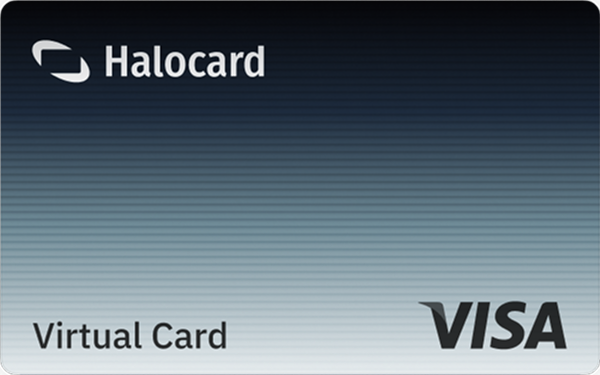

Instant approval
Create your first card in under 5 minutes.

Private purchases
Purchases never appear on your bank account.

Powered by Visa
Accepted at 175M+ merchants globally.
3 steps to create your virtual credit card
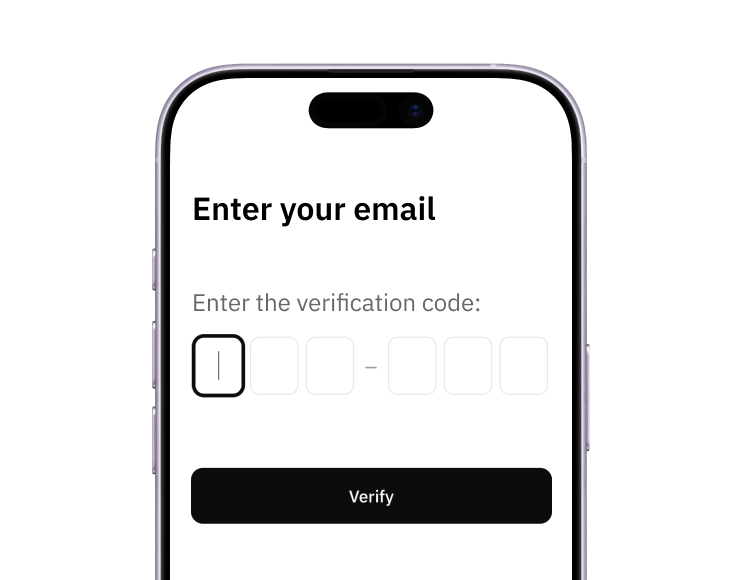
1. Sign up
Create your account from a web browser. No need to download an app.
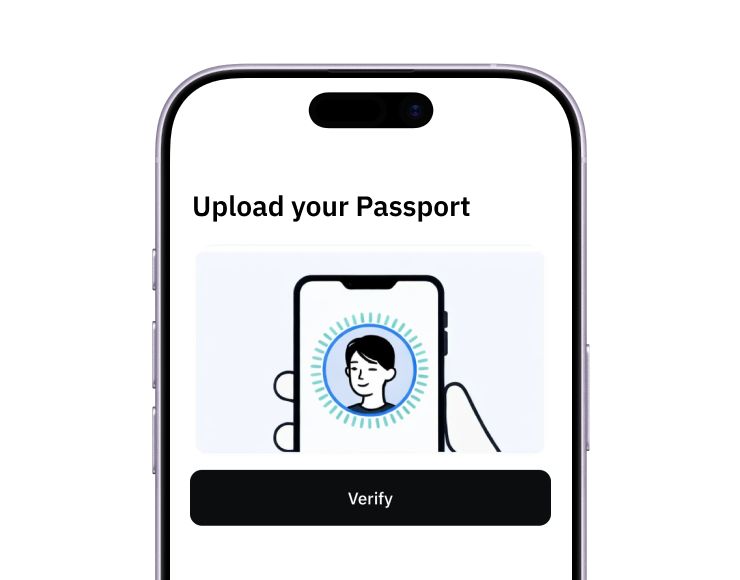
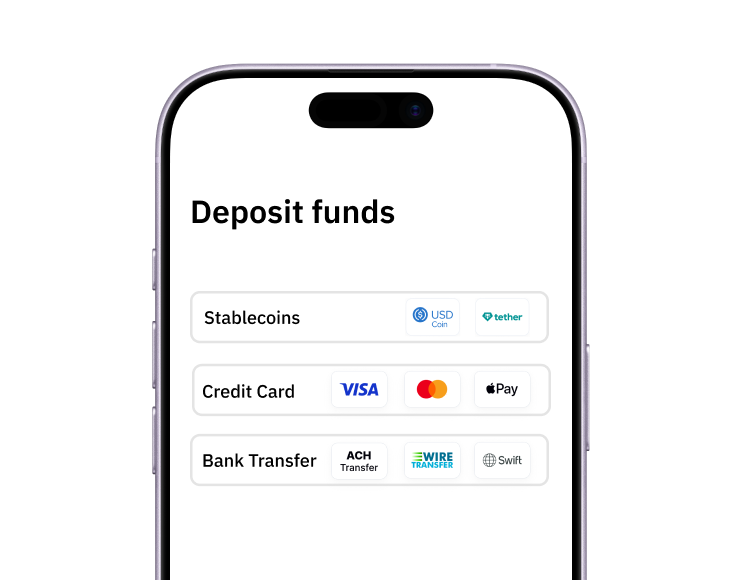
3. Fund
Add funds by debit/credit card, Apple Pay, Google Pay, bank transfer, stablecoins, or crypto.
Pay with Halocard
Pay online and in-person wherever Visa is accepted. You can also order a physical Halocard if you prefer.