Halocard vs LinkPay

Private virtual cards for the US and 120+ countriesBanking partners have frozen cards and withdrawals in the past

LinkPay's banking partners have frozen cards and withdrawals in the past

LinkPay has told customers that delays come from its banking partner, and reviewers report money they couldn't spend or withdraw.

2026
Reviewers report withdrawals pending for weeks. LinkPay's terms allow 10 working days, and its replies say each withdrawal is checked by hand.
Early 2025
LinkPay said technical issues at its banking partner had stopped cards and withdrawals while it moved to a new one, and reviewers reported waiting about three months.

Checked 14 October 2026

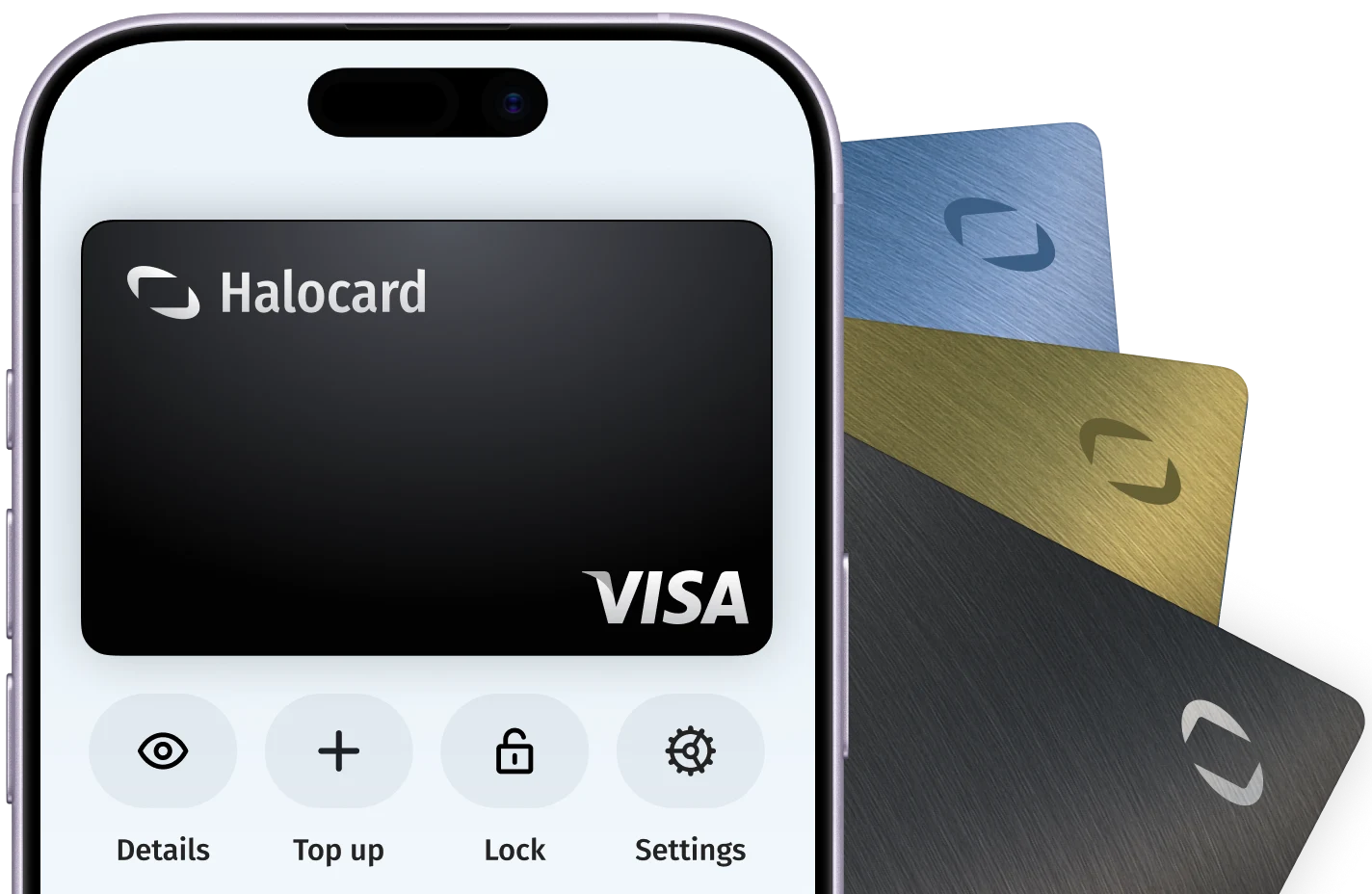
Halocard is the better LinkPay alternative for most people, and the only one of the two open to US customers: a US-issued Visa credit card issued to you after an identity check, by a named card issuer. It works like a debit card: you fund one balance by debit/credit card, Apple Pay, Google Pay, bank transfer, stablecoins, or crypto, then make a card for each ad account, subscription or store, with a billing address you choose on every card and no fee on purchases in US dollars. Halocard has no free plan, but Essential is free with 3 referrals, and every friend you refer earns you $5 or more a month.

LinkPay is a crypto-funded virtual card service for advertisers outside the US, with cards made for Facebook Ads, Google Ads and other ad platforms, team accounts and up to 2% cashback on its dearest plan. LinkPay doesn't serve the United States: its restricted-country list bars US citizens, residents, phone numbers and IP addresses. On its free Lite plan every card costs $9 and loading one costs 4.9%, every purchase pays 2% (minimum $2) on Lite, falling to 1% on Pro and Ultra, a declined payment pays a fee too, and withdrawals go to a crypto wallet and its terms allow 10 working days to process them. Its banking partner problems froze cards and withdrawals for months in early 2025.

Halocard pros and cons

  • Pros: A US-issued Visa credit card that works like a debit card
  • Pros: Issued to you, by a named US card issuer
  • Pros: No fee on purchases in US dollars
  • Pros: Fund by debit/credit card, Apple Pay, Google Pay, bank transfer, stablecoins, or crypto
  • Pros: A US bank account with its own account and routing numbers
  • Pros: US residents and residents of 120+ countries
  • Cons: No free plan, though Essential is free with 3 referrals
  • Cons: No cashback on spending
  • Cons: No team accounts

LinkPay pros and cons

  • Pros: Cards made for Facebook Ads, Google Ads and other ad platforms
  • Pros: A free Lite plan
  • Pros: Up to 2% cashback on Ultra
  • Pros: Team accounts of up to 50 members
  • Cons: No US citizens or residents
  • Cons: A fee on every card, load, purchase and decline
  • Cons: Crypto in, and withdrawals within 10 working days
  • Cons: Cards and withdrawals frozen during a 2025 outage
  • Cons: Card issuer not named
  • Cons: Rated 1.8/5 on Trustpilot

Halocard vs LinkPay compared

LinkPay is a crypto-funded virtual card service for advertisers outside the US, with a fee on every purchase that depends on your plan. Halocard is a dedicated virtual card platform for subscriptions, online spending, advertising and AI tools, with US-issued Visa credit cards, stablecoin funding and custom billing addresses, for customers in the US and 120+ countries.

Eligibility

HalocardAdvantage: US residents and residents of 120+ countriesLinkPayOutside the US
US citizens and residentsHalocardYesLinkPayNot supported
Customers outside the USHalocard120+ countriesLinkPayMost countries
Identity checkHalocardPassport or national ID, under 3 minutesLinkPayNone up to $500 a month; ID for more
Accounts for personal useHalocardYesLinkPayYes

Halocard is a US-issued Visa credit card for customers in the US and 120+ countries. Outside the US? You don't need an SSN, a US address or a US bank account. LinkPay doesn't serve the United States: its restricted-country list bars US citizens, residents, phone numbers and IP addresses. Elsewhere, with no verification, spending is capped at $500 a month and only advertising cards can be issued; basic verification (full name, address and ID details) raises the cap to $2,000 and opens every card except the Apple Pay and Google Pay ones; unlimited verification, with an ID photo and a live check, removes the limits. Its AML policy asks for ID, proof of address and a liveness check for full access. Halocard verifies everyone, in under 3 minutes with a passport or national ID. See supported countries

Card type

HalocardAdvantage: US-issued Visa credit cardLinkPayPre-funded virtual Visa or Mastercard
Card typeHalocardVisa credit cardLinkPayPre-funded virtual card
Card networkHalocardVisaLinkPayVisa or Mastercard
Card issuer namedHalocardYesLinkPayNot disclosed
Cards for ad platformsHalocardGoogle Ads, Meta Ads, TikTok Ads, and X AdsLinkPayFacebook Ads, Google Ads and Multi Ads cards
Physical cardHalocardFree with any annual plan or $100 on a monthly planLinkPayNot supported
Apple Pay and Google PayHalocardYes, every cardLinkPayUnclear: one page says yes, its FAQ says coming soon

Halocard works like a debit card: you spend the balance you load, with no credit line and no credit check, and Halocard cards are issued by Third National, a Non-Bank Principal Member of the Visa Network. LinkPay sells its cards as virtual credit cards, but you load each one before you spend and its FAQ says they can be used as prepaid. LinkPay says its cards come from partner banks and names none of them, and says its cards use US BINs while its FAQ lists USD and Visa cards as planned. On phone wallets, LinkPay's own pages disagree: the page selling its card for Apple Pay and Google Pay says you can add that card to either wallet, while its FAQ says the integration is still coming soon and keeps those cards to fully verified accounts. See the Halocard card BIN

Funding and withdrawals

HalocardAdvantage: Card, Apple Pay, Google Pay, Bank Transfer, Stablecoins & CryptoLinkPayCrypto only: USDT, Bitcoin and other coins
Bank transferHalocardUSD, CAD, EUR or GBPLinkPayNot supported
Debit or credit cardHalocardVisa, MastercardLinkPayNot supported
Apple Pay and Google PayHalocardYesLinkPayNot supported
Stablecoins and cryptoHalocardUSDC, USDT, BTC, ETH, SOLLinkPayUSDT, Bitcoin and other coins
WithdrawalsHalocardYes, from your balanceLinkPayTo a crypto wallet, within 10 working days

Halocard keeps one balance you top up by debit/credit card, Apple Pay, Google Pay, bank transfer, stablecoins, or crypto. LinkPay's FAQ says top-ups are crypto only for now, with card and bank methods still to come, and its page for Apple Pay and Google Pay cards puts the minimum deposit at $50. Getting money out takes longer: withdrawals go to a crypto wallet and its terms allow 10 working days to process them, and on Lite a withdrawal costs 3% (minimum $5). Halocard balances can be withdrawn to a supported withdrawal method. See how to deposit

USD bank account

HalocardAdvantage: Your own US account and routing numberLinkPayNone
Your own account and routing numberHalocardYesLinkPayNot supported
Receive ACH transfersHalocard1 to 3 business daysLinkPayNot supported
Receive same-day ACHHalocardYesLinkPayNot supported
Receive domestic wiresHalocardThe same dayLinkPayNot supported
Send ACH and wire transfersHalocardYesLinkPayNot supported

Halocard includes a US bank account with its own account and routing numbers, so you can receive salary, transfers from friends and family, and any other payment you'd send to a US checking account. ACH transfers arrive in 1 to 3 business days and domestic wires the same day, straight into your Halocard balance and ready to spend. LinkPay offers no bank account: its balances are funded and withdrawn in crypto. Send and receive USD payments

Controls

HalocardAdvantage: Per-card limits, custom name and billing addressLinkPayPer-card balances; freeze on paid plans
Per-card spending limitsHalocardDaily, weekly or monthlyLinkPayThe amount you load
Freeze or lock a cardHalocardInstant, on every planLinkPayPaid plans only
Custom billing addressHalocardYes, on each cardLinkPayUnknown
Team accountsHalocardNot supportedLinkPayUp to 50 members

LinkPay's control is the balance: each card spends what you load onto it. Its FAQ says freezing and unfreezing a card is a feature of its paid plans, and it doesn't confirm whether you can set a card's billing address. For teams it offers shared accounts of up to 50 members on Ultra, which Halocard doesn't. With Halocard you set daily, weekly or monthly limits on each card, lock or cancel any card instantly, and choose the billing address and cardholder name on each card. Set a card's name and address

Rewards

HalocardNo cashback, but a monthly referral commissionLinkPayAdvantage: 1% on Pro and 2% on Ultra cashback
CashbackHalocardNot supportedLinkPay1% on Pro and 2% on Ultra
Points on spendingHalocardNot supportedLinkPayNot supported
Referral commissionHalocard$5 to $25 a month per friend, for up to 12 monthsLinkPayUp to 50% of a referral's fees

LinkPay pays cashback to subscribers: 1% on Pro and 2% on Ultra by its pricing table, though its terms still say 3% on Ultra. By its cashback policy the credit is credited to your LinkPay balance for fees and other services, capped each billing cycle, never withdrawable and void after 12 months, and on both plans the purchase fee of 1% takes back part of it. Its merchant page offers up to 50% of the fees paid by friends you refer. Halocard pays no cashback on purchases. What it pays is a referral commission: $5 to $25 a month for every friend you refer, for up to 12 months, and Essential is free with 3 referrals. See how referrals work

Fees

HalocardAdvantage: No fee in USD; 1.5% + $0.30 in other currenciesLinkPay2% a purchase on Lite, down to 1%
Purchases in US dollarsHalocardNo feeLinkPay2% (minimum $2) on Lite, falling to 1% on Pro and Ultra
Declined paymentsHalocardNo feeLinkPay2% on Lite, falling to 1% on Pro and Ultra
Loading money onto a cardHalocardNone: every card spends one balanceLinkPay4.9% on Lite, falling to 2.9% on Ultra
Fee to load $1,000 onto a card, LiteHalocardNoneLinkPay$49
Fee on a $10 purchase, LiteHalocardNoneLinkPay$2 (20.0%)
DepositsHalocardShown before you confirmLinkPay1% on Lite, free on Pro and Ultra
Purchases in other currenciesHalocard1.5% + $0.30LinkPayUnknown

Halocard charges nothing on US-dollar purchases and 1.5% + $0.30 on others, and nothing when a payment is declined. LinkPay charges at each step: 1% to deposit on Lite, 4.9% on Lite, falling to 2.9% on Ultra to move money onto a card, 2% (minimum $2) on Lite, falling to 1% on Pro and Ultra on every purchase, and 2% on Lite, falling to 1% on Pro and Ultra on every declined payment. On Lite, loading $1,000 onto a card costs $49, and the purchase minimum means a $10 purchase costs $2 in fees. LinkPay shows card prices and card load fees only in its dashboard; these are the figures CardAff records from it. Its terms carry an older fee table with lower decline fees and free withdrawals; these are the figures on its pricing table. See all Halocard fees

Pricing

HalocardAdvantage: From $12 a month, or free with 3 referralsLinkPayFree to $209 a month
Entry planHalocard$12/mo, 3 cardsLinkPayLite, free, with no cards included
Price of a cardHalocardIncluded in your planLinkPay$9 each on Lite, down to $2 on Ultra
Larger plansHalocard$15/mo and $75/moLinkPay$59, $179 and $209 a month
Cards includedHalocard3 to 60 at once, by planLinkPayNone on Lite; 5, 15 or 79 a month on paid plans

Lite is free with no cards included, Plus costs $59 a month with 5 cards, Pro $179 with 15 and Ultra $209 with 79. Lite costs nothing to join but includes no cards: each one costs $9 a card on Lite, falling to $5 on Plus, $3 on Pro and $2 on Ultra once a plan's cards are used, and every purchase pays 2% with a $2 minimum. Its terms list Ultra at $299. LinkPay shows card prices and card load fees only in its dashboard; these are the figures CardAff records from it. Halocard plans are $12, $15 and $75 a month and include 3 to 60 cards at once, with no fee on US-dollar purchases. Essential is free with 3 referrals, and each friend you refer pays you $5 or more a month. Compare Halocard plans

Support

HalocardAdvantage: Chat, email, and phone on every planLinkPayLive chat, Telegram and email
ChatHalocardYesLinkPayYes, and Telegram
EmailHalocardYesLinkPayYes
PhoneHalocardYesLinkPayNot supported

Halocard answers by chat, email, and phone on every plan. LinkPay answers by live chat on its site, a Telegram bot and email, and lists no phone number. Visit the help centre

Trust and transparency

HalocardAdvantage: A regulated US company and card issuerLinkPayA Canadian MSB; issuer not named
Company and countryHalocardHalocard LLC, USALinkPayAvior Financial Holdings Limited, Canada
Registration or licenceHalocardFintech, not a bank. Registered MSB with FinCEN, BSA ID 31000317046430LinkPayFintech, not a bank. Registered MSB with FINTRAC (M23039048)
Card issuerHalocardThird NationalLinkPayNot disclosed
Account held atHalocardSSB, Member FDICLinkPayNot disclosed
Founders namedHalocardEdward TaylorLinkPayNot disclosed
FoundedHalocard2024LinkPayUnknown
TrustpilotHalocard4.2/5 (11 reviews)LinkPay1.8/5 (40 reviews)

LinkPay is run by Avior Financial Holdings Limited, a company in Richmond, British Columbia, registered with FINTRAC as a Canadian money services business, but it names no card issuer, account bank or founder. It is rated 1.8/5 on Trustpilot, and most of its reviews are about declines and withdrawals. Halocard names its company, card issuer, account bank and founder. About Halocard

Why Halocard is the better LinkPay alternative

Open to US customers

LinkPay doesn't serve the United States: its restricted-country list bars US citizens, residents, phone numbers and IP addresses. Halocard is a US-issued Visa credit card for customers in the US and 120+ countries. Outside the US? You don't need an SSN, a US address or a US bank account.

Cards issued to you, by a named issuer

Halocard cards are issued by Third National, a Non-Bank Principal Member of the Visa Network, and every Halocard customer is verified before a card is issued. LinkPay says its cards come from partner banks and names none of them.

No fee on every card, load and purchase

Halocard plans include their cards, and charge nothing to load a card or on US-dollar purchases and declines. On LinkPay's Lite plan every card costs $9, loading it 4.9%, and every purchase 2%.

Money in and out your way

Fund Halocard by debit/credit card, Apple Pay, Google Pay, bank transfer, stablecoins, or crypto, and withdraw when you need to. LinkPay takes crypto only, and its withdrawals can take 10 working days.

Controls on every plan

With Halocard you set daily, weekly or monthly limits on each card, lock or cancel any card instantly, and choose the billing address and cardholder name on each card, on every plan. On LinkPay, only paid plans can freeze or unfreeze a card.

Key drawbacks of LinkPay

A fee on every card, load and purchase

On Lite every card costs $9, loading it costs 4.9%, and every purchase pays 2% (minimum $2) on Lite, falling to 1% on Pro and Ultra, with 2% on Lite, falling to 1% on Pro and Ultra on every declined payment.

Crypto in, slow withdrawals out

Top-ups are crypto only, and withdrawals go to a crypto wallet and its terms allow 10 working days to process them. On Lite each withdrawal costs 3%, with a $5 minimum.

Frozen cards and withdrawals in 2025

In early 2025, LinkPay said technical issues at its banking partner had stopped cards and withdrawals, and reviewers reported waiting about three months. LinkPay says its cards come from partner banks and names none of them.

No US customers

LinkPay doesn't serve the United States: its restricted-country list bars US citizens, residents, phone numbers and IP addresses.

Read our LinkPay review

About Halocard

Halocard is a US-issued Visa credit card for customers in the US and 120+ countries, built as a general-purpose payment tool: ads, subscriptions, software and online shopping on one platform, with a separate virtual card for each merchant. Halocard works like a debit card: you spend the balance you load, with no credit line and no credit check.

Create cards in seconds from a web browser, set daily, weekly or monthly limits on each card, lock or cancel any card instantly, and choose the billing address and cardholder name on each card. Fund your balance by debit/credit card, Apple Pay, Google Pay, bank transfer, stablecoins, or crypto. Outside the US? You don't need an SSN, a US address or a US bank account. Halocard cards are issued by Third National, a Non-Bank Principal Member of the Visa Network.

About LinkPay

LinkPay is a virtual card service funded with crypto. You deposit USDT, Bitcoin or another coin, then issue virtual Visa or Mastercard cards from a small catalogue: a Facebook Ads card, a Google Ads card, a Multi Ads card for other ad networks, a Daily Card for subscriptions and shopping, and a card it sells for Apple Pay and Google Pay. Around the cards it sells team accounts, a white label program and crypto payment links for merchants.

LinkPay is run by Avior Financial Holdings Limited, a company in Richmond, British Columbia, registered with FINTRAC as a Canadian money services business. LinkPay says its cards come from partner banks and names none of them. Its plans are priced by subscription: Lite is free with no cards included, Plus costs $59 a month with 5 cards, Pro $179 with 15 and Ultra $209 with 79, and each plan sets its own purchase, decline, deposit and withdrawal fees.

LinkPay doesn't serve the United States: its restricted-country list bars US citizens, residents, phone numbers and IP addresses. Elsewhere, with no verification, spending is capped at $500 a month and only advertising cards can be issued; basic verification (full name, address and ID details) raises the cap to $2,000 and opens every card except the Apple Pay and Google Pay ones; unlimited verification, with an ID photo and a live check, removes the limits.

Halocard vs LinkPay FAQ

What is the best LinkPay alternative?

Halocard. Halocard is a US-issued Visa credit card for customers in the US and 120+ countries, issued to you by a named card issuer, with a separate card for each merchant, a billing address you choose on each card, Apple Pay and Google Pay, and funding by debit/credit card, Apple Pay, Google Pay, bank transfer, stablecoins, or crypto. Every friend you refer earns you $5 or more a month.

Is Halocard better than LinkPay?

For most people, yes. Halocard is open to US customers, charges nothing on US-dollar purchases or declines, verifies every customer and names its card issuer. LinkPay suits advertisers outside the US who want ad cards for a team and can use its cashback on the dearer plans.

Is there a LinkPay alternative for US residents?

Yes, Halocard. LinkPay doesn't serve the United States: its restricted-country list bars US citizens, residents, phone numbers and IP addresses. Halocard is a US-issued Visa credit card for customers in the US and 120+ countries.See supported countries

Which costs less, LinkPay or Halocard?

It depends on how much you spend. LinkPay's Lite plan is free but includes no cards: each costs $9, loading $1,000 onto it costs $49, and every purchase pays 2% (minimum $2) on Lite, falling to 1% on Pro and Ultra. Halocard plans start at $12 a month with no fee on US-dollar purchases, and Essential is free with 3 referrals.

Which is better for Facebook Ads and Google Ads, LinkPay or Halocard?

Halocard, for most advertisers: it is accepted at Google Ads, Meta Ads, TikTok Ads, and X Ads, with a US-issued Visa credit card and a billing address you choose on each card, and no fee when an ad platform's charge is declined and retried. LinkPay sells cards made for each ad platform and team accounts, but charges on every purchase and every decline, and doesn't serve US advertisers.

Who issues Halocard and LinkPay cards?

Halocard cards are issued by Third National, a Non-Bank Principal Member of the Visa Network. LinkPay says its cards come from partner banks and names none of them; LinkPay is run by Avior Financial Holdings Limited, a company in Richmond, British Columbia, registered with FINTRAC as a Canadian money services business.

How do withdrawals compare between Halocard and LinkPay?

Halocard balances can be withdrawn to a supported withdrawal method. At LinkPay, withdrawals go to a crypto wallet and its terms allow 10 working days to process them, and on Lite each withdrawal costs 3% with a $5 minimum.

How do I switch from LinkPay to Halocard?

Sign up for Halocard in under 5 minutes, verify in under 3 minutes and add funds. Make one card for each ad account, subscription or store, set its limit and billing address, and update the payment method at each merchant. At LinkPay, wait for any pending holds or refunds before you stop using a card, then request your withdrawal and allow 10 working days.

Sources

  • LinkPay, homepage and plans: linkpay.io
  • LinkPay, cards: linkpay.io/cards
  • LinkPay, Daily Card (Omni): linkpay.io/cards/purchases
  • LinkPay, eWallet card for Apple Pay and Google Pay: linkpay.io/ewallet-card
  • LinkPay, FAQ: linkpay.io/questions
  • LinkPay, terms of service: linkpay.io/terms-of-service
  • LinkPay, anti-money laundering policy: linkpay.io/anti-money-laundering
  • LinkPay, restricted countries: linkpay.io/certain-countries
  • LinkPay, merchant services: linkpay.io/merchant
  • Trustpilot, LinkPay reviews: trustpilot.com/review/linkpay.io
  • CryptoCardHub, LinkPay Card review: cryptocardhub.com/card/linkpay-card
  • CardAff, LinkPay tariffs and fees: cardaff.com/service/linkpay

Disclaimer

Based on public information as of October 2026 (see Sources above); LinkPay's products, fees and terms may change, so check before you decide. Halocard publishes this page and makes one of the products compared, so verdicts and ticks are our opinion. LinkPay, its product names and its logos are trademarks of their respective owners. Their use here does not imply any affiliation with, sponsorship by or endorsement from LinkPay. Not financial, legal or tax advice.

Get a Halocard in less than 5 minutes