-
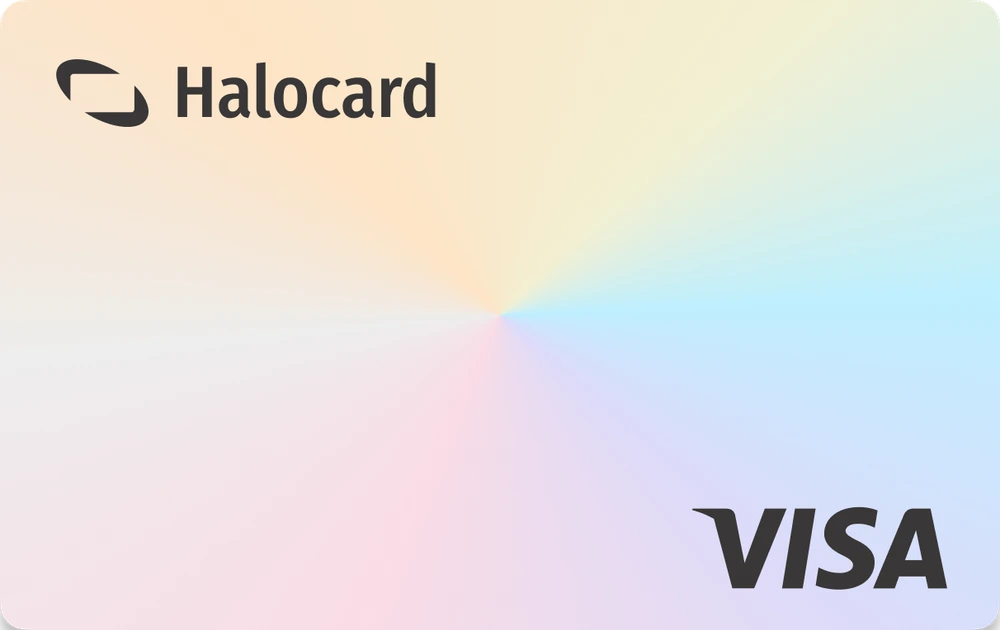
Halocard features a US-based secured Visa credit card that is accepted in 144+ countries, with no SSN being required for non-US users, along with strong merchant acceptance.
-
Redotpay is a crypto card platform based in Hong Kong that allows users to spend crypto using a Visa-powered virtual card, as well as a physical card.
-
The biggest difference is that Halocard is built for stablecoin or fiat currency users who want great US acceptance, whereas Redotpay is designed for people who need to actively manage crypto and digital assets.
-
If you want a US-issued card for online shopping and subscriptions, whether in the USA or internationally, Halocard is the more reliable option.
This guide compares two virtual card platforms: Halocard and Redotpay. Both allow you pay instantly online, perform everyday purchases, and engage in global payments, but their foundations are very different.
A point of clarification is that this article is about Redotpay, not Red Dot Payment, which is a different company.
The deciding factor between the two is how you want to fund and use your virtual card. Halocard is ideal for users who want a US-issued credit-style virtual card with strong global acceptance. On the other hand, Redotpay is best for those who need to spend crypto, send crypto, and operate with different crypto and local currencies using a global stablecoin based card.
RedotPay vs Halocard Virtual Card Comparison
| Category | Halocard | Redotpay |
|---|---|---|
| Card Type | Secured Visa credit card | Visa prepaid crypto card |
| Card Network | Visa | Visa |
| BIN Country | United States | Singapore (issued via partner; Hong Kong company) |
| Countries Available | 144 countries | 100+ countries |
| Funding Methods | Credit/debit, stablecoins, ACH/SWIFT | Crypto, stablecoins, limited fiat (EUR/GBP via bank transfer) |
| Monthly Fee | $12–$59 | No fixed monthly fee [varies by usage] |
| FX Fee | 1.5% non-USD | Conversion-based fees (variable, competitive rates) |
| Multi-Card Support | Yes | Limited |
| Spend Controls | Advanced per-card controls | Basic controls via secure app |
| Best For | US payments, subscriptions, privacy | Crypto services, spend crypto, global usage |
Key Differences Between Redotpay and Halocard
Here's what makes Redotpay different from Halocard.
Fundamental Product Philosophy
Halocard is a secured-credit card that runs over the Visa network. It's best for those who want a virtual card for subscriptions, SaaS, and online payments. You don't need to hold any crypto, and it can be funded using stablecoins and fiat. The main philosophy is that Halocard features strong US and global acceptance.
On the other hand, Redotpay is built entirely around crypto. It allows users to send crypto, instantly convert crypto, and operate across crypto in one app. The entire system revolves around being able to manage your digital assets, as opposed to replacing them.
Card Type and BIN Country
The biggest difference is in terms of BIN country and card type. Halocard is issued with a US BIN, meaning that it appears to come from the USA, but non-US users do not require US residency or a US SSN. This means that those both in and outside of the USA can use Halocard to pay on US platforms with being declined.
Redotpay uses a non-US BIN, meaning that it can run into acceptance issues on certain platforms, particularly those in the USA. Due to having a BIN that is issued in Singapore, US and global acceptance is limited.
Funding Method
Halocard allows for flexible funding methods through stablecoins, debit and credit card, and bank transfers. With Redotpay, you need crypto. You can send crypto, deposit EURO or GBP (or deposit other cryptocurrencies), and then instantly swap into different stablecoins.
Spend Controls and Privacy
Halocard gives users great flexibility to fund the virtual cards through various methods, cards can be locked or paused, and individual spending limits can be set for cards. This allows for great control across the board.
Also, Halocard is backed by 3D Secure authentication, meaning that it features secure access and use online, helping to prevent fraud.
Redotpay functions similarly, with wallet-level control for the multi currency wallet, track transactions, and maintain secure access anytime through various security means.
App vs Browser Experience
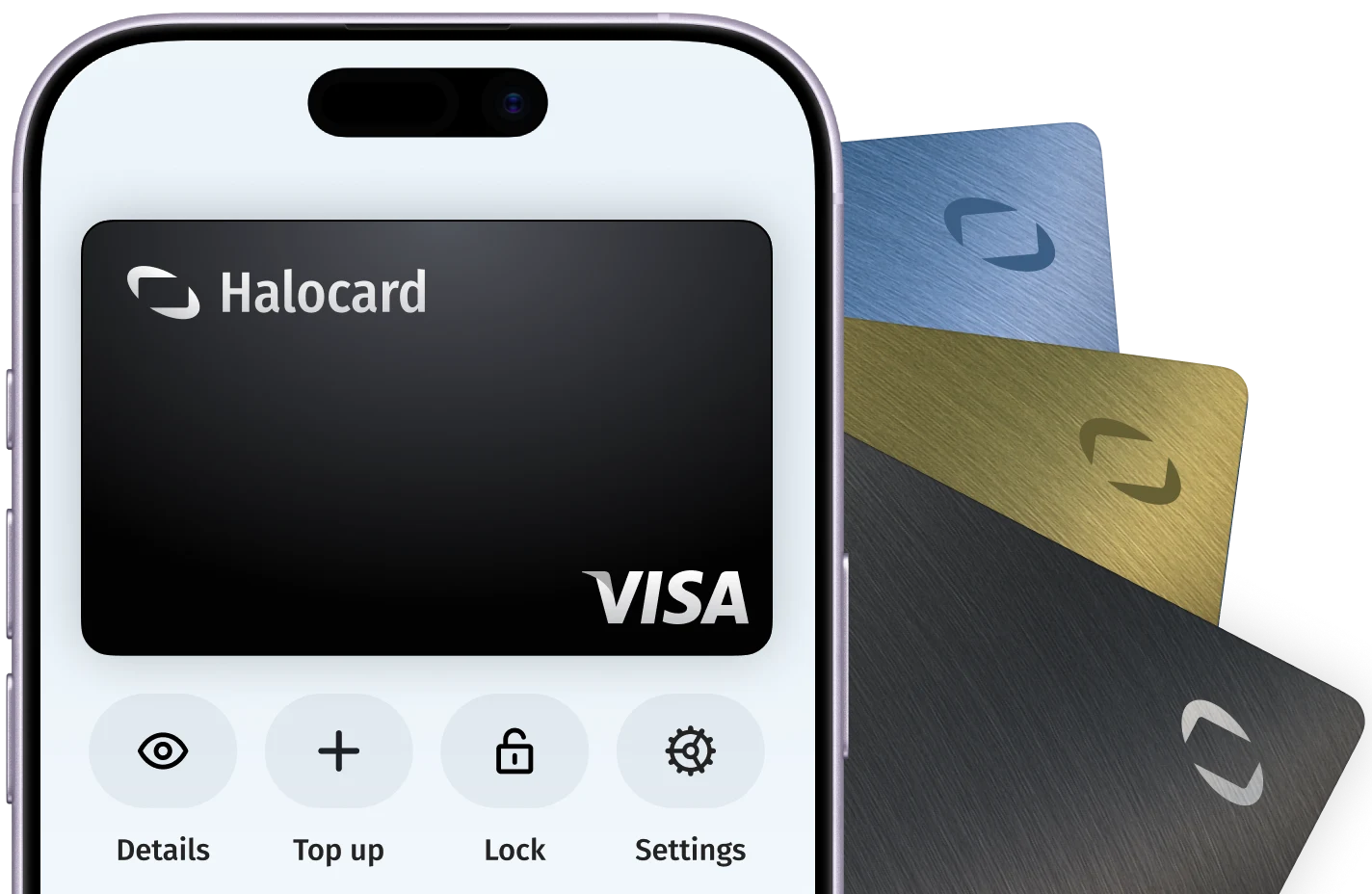
Halocard is browser-based, making it very reliable and simple to use. Redotpay functions using one secure app, that includes everything from mobile payment to mobile top up. All wallet management happens in the app.
Fees
Halocard uses a simple, plan-based model:
-
Monthly Fee: $12–$59 depending on plan
-
FX Fee: 1.5% on non-USD transactions, 0% on USD
-
Card Funding Fee: 5% when using credit/debit cards
-
Stablecoin Funding: Free
-
Card Issuance: Included in subscription
-
Hidden Fees: None
Here are Redotpay's fees:
-
Virtual Card Fee: Around $10 (one-time activation, sometimes discounted)
-
Physical Card Fee: ~100 USDT (including production and shipping)
-
Transaction Fees: ~1% per transaction (reported by users)
-
Declined Transaction Fee: ~$0.50 per failed attempt after a threshold
-
Crypto Conversion Fees: Applied when you instantly convert crypto to local currencies (varies by asset and market conditions)
-
ATM Withdrawal Fees: Variable depending on network and region
-
Hidden Fees: Some users report unexpected charges, especially around declined transactions and conversions
Thoughts From Existing Users
Halocard feedback is very consistent, with users highlighting its strong international acceptance, especially on US platforms. Aside from its global acceptance, Halocard is also considered a strong option thanks to its high level of security, as it masks your primary banking details when paying online.
People are pleased with its overall reliability, security, and ease of use for subscriptions and online payments. Some people are not fans of the monthly subscription model, but many also say that Halocard is worth the monthly subscription due to the above benefits.
Redotpay feedback is more mixed. Yes, users often highlight its ability to spend crypto and pay bills with crypto, as well as its fast transactions and near instant processing. People also seem to be fans of its secure access and smooth onboarding process.
However, there are also some recurring issues, including that there are declined transaction charges, some hidden fees, delays with customer support, transaction failures and occasional card declines, as well as friction around KYC verification. Some users also report some problems with account holds and refunds.
Redotpay vs Halocard: Why Halocard Is the Winning Option
The difference between Redotpay and Halocard really comes down to accessibility, global acceptance, and reliability, making Halocard the overall winner.
US BIN = Higher Acceptance
Because Halocard features a US-issued BIN, it generally passes merchant checks that would usually block non-US cards. This is important for subscriptions, AI platforms, and SaaS tools, particularly for those who require US products and services, but reside outside of the USA.
Although Redotpay is functional in many cases, it does often face acceptance issues due to its non-US BIN as well as its crypto card structure. Halocard works in 144+ regions, aside some selected countries.
No Crypto Required
What stands out about Halocard is that it does not require any cryptocurrencies. You don't need to manage crypto, convert assets, or anything else of the sort. Although you can fund the card through stable coins, that is the extent of the involvement.
On the other hand, with Redotpay, everything revolves around crypto, and this means that you need to fund it with crypto, convert, and maintain balances before you can pay online. You cannot use regular bank accounts to fund it, and must instead use an existing crypto wallet.
Credit Card vs Crypto Card
What also stands out is that Halocard behaves like a credit card. It is a secured credit card that does however not require a line of credit. This credit card functionality improves its overall approval rates across the board. Thanks to its credit-style setup, it's also an ideal option for everyday spending.
The Redotpay crypto card, on the other hand, behaves more like a prepaid system, which is much more likely to be declined for online transactions and subscriptions. Yes, Redotpay is made for spending crypto seamlessly, but there are limits to this as well.
Simplicity and Transparency
Halocard uses a fixed pricing model with absolute transparency and no hidden fees. Halocard features low fees and high limits, two more reasons why it's a solid choice. Although Redotpay does offer a variety of powerful features such as a multi-currency wallet and flexible repayment systems, this added flexibility also introduces fees, variability, and more pricing complexity.
Frequently Asked Questions
What Is Redotpay?
Redotpay is a Hong Kong-based crypto platform that allows users to send and spend crypto, manage digital assets, and use a Visa card backed by crypto for everyday purchases.
Is Redotpay Available in the USA?
According to the company, Redotpay is not available in the USA.
Is Redotpay card Safe to Use?
Redotpay is safe thanks to operating as a licensed MSB and VASP with strong compliance and secure access protocols. Although, there are mixed reviews about account handling.
What Are Redotpay's Fees?
Redotpay charges around $10 for one-time card activation, a 1% transaction fee, and according to users, a variety of hidden fees.
What Is the Difference Between Redotpay and Halocard?
The main difference between Halocard and Redotpay is that Halocard is a US-issued credit-style virtual card with a US BIN, whereas Redotpay is a crypto card platforms made for users who want to spend crypto.
Does Halocard Require an SSN?
No, non-US users do not need an SSN or US residency to get Halocard. US residents do require an SSN.
Which Virtual Card Is Better for US Subscriptions?
Halocard is the better option for US subscriptions because it features a US BIN and credit card structure, both factors which increase its approval rate when compared to the Redotpay crypto card.
Can I send crypto and spend crypto with redotpay crypto card?
Yes. You can deposit crypto (BTC, ETH, USDT, USDC, and others) into your RedotPay account from an external wallet, and spend that balance anywhere Visa is accepted; RedotPay converts crypto to fiat at the point of sale. You can also send crypto out to external wallets. Conversion fees apply at spend time, and because the card has a non-US BIN, it can still be declined at US-only merchants.
How to Compare Virtual Card Providers
Here is the criteria we use every time to compare virtual card providers.
-
Card Type: Is it a credit, debit, or prepaid card?
-
BIN Country: Where is the card issued? (This affects acceptance rates)
-
Funding Methods: How can the virtual cards be funded?
-
Fee Structure: What are the fees for activation, usage, funding, and transactions?
-
Availability: Is the virtual card available in your country of residence.
-
KYC Requirements: What level of identity verification is required?
-
Spend Controls: Does the card allow you to set limits, pause, and block?
-
Privacy Features: Does the virtual card keep your information safe and hidden?
-
Customer Support: What is the response quality like?
The right choice really depends on use case. That said, if you need a US BIN virtual card that is accepted in the USA and worldwide, one that is ideal for global payments and everyday spending, while also keeping your information safe and secure, then Halocard is the superior choice.
Sources
-
Redotpay. Company - RedotPay
-
Redotpay. English+1.png (3048x4532)
-
Redotpay. About RedotPay - Revolutionizing Crypto Payment Solutions
-
Redotpay. RedotPay: The Ultimate Crypto Card for Secure Crypto Payment
-
Google Play Store. RedotPay: Crypto Card & Pay - Apps on Google Play
-
Reddit. is redotpay pay safe / is there alternatives? : r/algeria
-
Trustpilot. RedotPay Reviews | Read Customer Service Reviews of redotpay.com
-
Halocard. Instant, Private & Secure Virtual Cards | Halocard
Sources checked on April 16, 2026.
*Please see Halocard's Terms of Service or Pricing for the most up to date pricing and fee information. This publication is provided for general information purposes and does not constitute legal, tax or other professional advice from Halocard LLC or its subsidiaries and its affiliates, and it is not intended as a substitute for obtaining advice from a financial advisor or any other professional. We make no representations, warranties or guarantees, whether expressed or implied, that the content in the publication is accurate, complete or up to date.
Halocard Virtual Cards

Instant approval
Create your first card in under 5 minutes.
Private purchases
Purchases never appear on your bank account.
Powered by Visa
Accepted at 175M+ merchants globally.
How to get a virtual credit card in 3 simple steps

1. Sign-up with a phone
Sign up from your browser. No app download needed.

2. Quick identity check
Verify you're a real person in less than 3 minutes. No US residency required.

3. Add funds to your account
Use stablecoins, debit/credit card or ACH/SWIFT bank transfer (coming soon).

Your virtual card is ready.
That's it! Your virtual cards can now be used for online and in-person purchases anywhere in the world where Visa is accepted.