Are Virtual Business Credit Cards Better for Corporate Travel?

Edward Taylor
-
Yes, for most managed business travel environments, virtual business credit cards are better than physical cards as they provide stronger controls, lower fraud exposure, and easier reconciliation.
-
Virtual cards are especially well suited for recurring travel payments, employee trips, and centralized booking workflows that are managed by finance teams or travel managers.
-
Traditional corporate cards may still have advantages in certain scenarios, especially where ATM withdrawals, hotel rooms, and regions with weaker mobile wallet adoption are concerned.
-
The strongest setups generally combine virtual credit cards for controlled bookings with a backup physical card for edge-case travel situations.
Many companies still run highly effective travel programs using standard credit cards, policy reinforcement tools, and reimbursement systems. With that being said, virtual business credit cards often outperform traditional corporate cards in modern, managed corporate travel programs.
The combination of faster issuance, granular controls, better visibility, simplified reconciliation, and global acceptance provides finance teams with far better control over business spending than legacy card setups ever did.
The single exception is that some travel situations still benefit from a physical card, with ATM access, hotels, and certain other cases not being fully caught up to the digital-first model.
Halocard vs Physical Corporate Cards: Head-to-Head Comparison
| Feature | Halocard Virtual Card | Traditional Physical Corporate Card |
|---|---|---|
| Card Format | Fully digital virtual credit card | Plastic physical corporate card |
| Privacy & Security | Dedicated card details, lower fraud risk, easier to prevent fraud | Shared card exposure increases risk of unauthorized charges |
| Acceptance | US-issued secured Visa credit card with strong online acceptance | Broad in-person acceptance |
| Availability | Available internationally in 120+ countries | Often limited by issuer geography |
| Funding | Stablecoins, debit and credit cards, bank transfers | Traditional banking rails only |
| Controls | Advanced spending limits, merchant restrictions, instant freezes | Usually broader shared limits |
| Reconciliation | Cleaner transaction data, easier automated tracking | Often relies on manual reconciliation |
| Best For | SaaS-heavy teams, distributed business travelers, controlled travel booking | Frequent ATM users, hotel-heavy travel programs |
What Separates Virtual Cards from Physical Cards in a Corporate Travel Context
In a corporate travel context, there are several big differences between virtual cards and physical cards.
Control Is the Real Difference
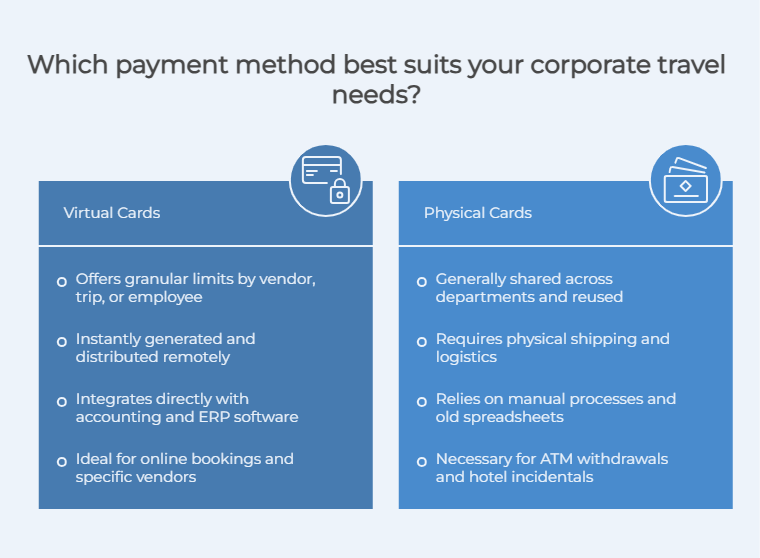
The biggest difference between virtual cards and physical cards in a business travel context is control. Traditional corporate cards are generally shared across departments, reused for many trips, and passed between employees. This creates big operational blind spots. If something goes wrong, finance teams are left to sort through the incomplete transaction details, messy reimbursement trails, and unclear ownership.
However, with virtual business credit cards, companies can issue dedicated cards for:
-
Individual employees
-
Single trips
-
Specific vendors
-
Departments
-
Conferences
-
Flights and hotels
-
Even one-time purchases
This changes how accounts payable, approvals, and expense management operate.
Per-Trip Cards Make Travel Spend Easier to Manage
A company can create one single corporate virtual card for airfare, another for hotel chains, and another for rideshare or meal spending.
Each card can include:
-
Preset or customizable spending limits
-
Expiration controls
-
Merchant category restrictions
-
Vendor-specific restrictions
-
Geographic controls
This level of granular control is not something that you generally get with traditional corporate cards. The ability to isolate spending by vendor or trip helps reduce fraud risk, improve policy enforcement, and provide clear visibility into business expenses.
Fast Issuance Helps When Plans Change
The next big difference has to do with issuance speed. Plans often change during business trips, and if you are using virtual cards, a finance manager can instantly generate a new virtual card and distribute it remotely. Unlike with physical cards, there is no waiting for shipping.
This is especially useful for:
-
Remote teams
-
International contractors
-
Executive travel
-
Non-employee travel
-
Emergency travel situations
Instead of everyone having to share a single company card, businesses can instantly create purpose-built virtual credit cards that are tied to a specific trip, employee, or transaction.
Automated Reconciliation Reduces Manual Work
The reconciliation side of things is also very different. Most modern virtual card payments integrate directly with accounting software, ERP tools, and travel management systems. This means that transaction data can be automatically matched to employees, trips, receipts, and departments.
Instead of having to rely on manual processes and old spreadsheets, companies are able to streamline reconciliation while also reducing human error at the same time. This is by far one of the biggest operational benefits of virtual card systems for growing companies.
US-BIN Virtual Credit Cards Matter for International Travel
Also worth noting is that for international operators, another big difference is the BIN location. Many US platforms, online travel agencies, and airlines behave differently depending on where a card is issued.
US-issued cards generally see fewer declines than international prepaid products. This is one of the many reasons why international companies increasingly look for US-BIN-enabled virtual credit cards for business travel.
On that note, a good example is Halocard, as this is a US-issued secured Visa credit card that features a US billing address and US BIN. Being a Visa card also means that it is accepted anywhere that Visa is accepted.
Physical Cards Still Have a Place
With all of that being said, physical cards do still have a place in some situations. For instance, ATM withdrawals are almost impossible with most virtual credit cards. There are also some regions in the world that still require chip insertion, while some lag behind in contactless infrastructure.
Hotels can also create issues, as some chains place temporary holds for incidentals, with many front desks preferring physical cards for check-in. This is why many businesses now use hybrid models, with virtual cards for controlled travel payments and backup physical cards for emergencies and edge cases.
Why Finance Teams Choose Virtual Cards for Travel
Here is what businesses and finance teams generally value about using virtual cards for business travel.
What People Like
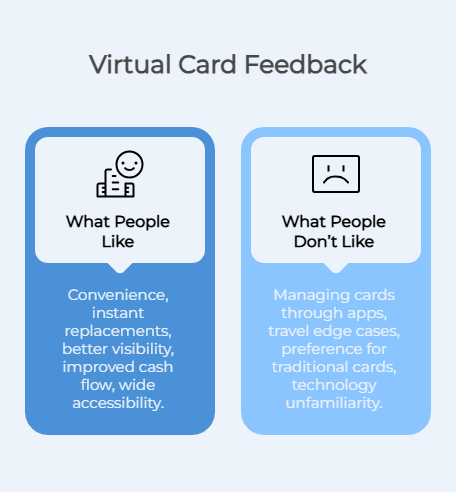
Public feedback around virtual cards related to travel and business purposes is generally quite positive, especially from companies and modern finance operations teams. Many business travelers say that one of the biggest advantages is convenience.
Instead of having to wait for replacement cards when cards are lost, teams can instantly issue replacement virtual cards from anywhere. This is very useful if there are delayed flights, last-minute itinerary changes or international trips where replacing a lost physical card is extremely difficult.
Next, finance teams also very much like the visibility, as virtual credit cards allow for better policy enforcement, easier auditing, cleaner approval workflows, lower fraud risk, and better visibility into business expenses.
Many companies also report improved cash flow forecasting thanks to virtual card transactions being easier to categorize and monitor in real time. Modern systems also allow transactions to be automatically matched to departments, vendors, and employees, which many say helps reduce manual work for accounting teams.
Virtual credit cards such as Halocard are also liked due to their wide accessibility and acceptance. Being accessible in 120+ countries, and being accepted virtually anywhere Visa is accepted, is a great benefit for business travel.
What People Don't Like
All of that being said, some businesses and employees still dislike virtual cards. Some employees do not like managing cards through apps or mobile wallets, whereas others worry about travel edge cases such as rental car desks, hotel chains, offline terminals, or international regions with weaker digital payment adoption.
Some travelers also simply prefer carrying traditional credit cards because they are widely accepted and more familiar.
Some also note that physical corporate cards may be slightly easier to use for those who are unfamiliar with technology, but this just means that employee training is more important. Travelers need to understand spending policies, approval systems, mobile wallet usage, and card assignment workflows. In practice, most businesses adopting virtual business credit cards just have to keep a backup physical option available in case any problems arise.
Why Halocard Fits International Business Travel
Let's look at why virtual cards such as Halocard work well for international business travel.
Halocard Solves the Acceptance Problem
When it comes to international business travel, Halocard solves several problems that traditional corporate cards and many prepaid systems have. The biggest advantage here is acceptance.
Halocard operates as a US-issued secured Visa virtual credit card, meaning that it is reliably accepted across airlines, booking systems, ad platforms, travel suppliers, US merchants, and SaaS vendors.

This is important because many international prepaid products still experience higher decline rates, especially when it comes to recurring billing and US-based platforms. Halocard is designed for high acceptance both inside and outside the USA.
Teams Get More Control Over Travel Payments
Halocard also works very well for distributed companies because it allows teams to instantly issue dedicated virtual cards with vendor restrictions, adjustable spending limits, real time freezes, expiration controls, and dedicated card details.
This is also very important for finance teams, as it creates much more control over business spending while reducing the risk of shared card misuse.
Flexible Funding Supports Global Businesses
Another big benefit of virtual cards like Halocard is flexible funding. For instance, Halocard can be funded through stablecoins, debit and credit cards, and bank transfers.
This kind of flexibility is very useful for globally distributed companies that manage cross-border operations. For businesses that operate internationally, this also helps simplify travel payments, improve operational flexibility, and reduce overall dependency on region-locked banking systems.
A Hybrid Setup Still Makes Sense
That said, there are still some limitations, as Halocard currently does not offer physical cards, which means that many travelers may need a backup for certain hotel check-ins and offline terminals.
This is why the smartest travel setup for many companies is hybrid, with a Halocard virtual card for controlled digital travel payments, and a backup physical corporate card for emergency scenarios.
Overall, for international operators, Halocard is one of the strongest options available for modern virtual card payments tied to business travel.
How To Evaluate Virtual Card Providers for Your Corporate Travel Program
Here are the most important factors to consider when evaluating a virtual business credit card for corporate travel:
-
Merchant acceptance quality
-
International availability
-
Fraud prevention controls
-
Ability to set limits instantly
-
Integration with accounting software
-
Automated reconciliation support
-
Mobile wallet support
-
Policy enforcement features
-
Support responsiveness
-
Card issuance speed
-
Real time visibility into travel spend
-
Support for vendor payments
-
Flexible funding methods
-
Ease of employee training
Frequently Asked Questions
Are Virtual Credit Cards Better Than Physical Corporate Cards for Business Travel?
Yes, in most cases, virtual credit cards are better than physical corporate cards for business travel. Virtual credit cards provide more control, stronger fraud prevention, and cleaner reconciliation.
Can Virtual Cards Be Used at Hotels During Business Trips?
Some virtual credit cards may be used at hotels, but some hotel chains still prefer physical credit cards for incidentals or check-in verification.
What Happens if a Business Traveler Loses Their Card?
If the business traveler loses their physical card, they have to wait for a replacement, often causing delays. However, with virtual cards, replacement is usually instant.
Do Virtual Business Credit Cards Support Tap-to-Pay?
Yes, there are many virtual business credit cards that work with Apple Pay and Google Pay for contactless transactions.
Are Virtual Cards Good for International Travel?
Yes, virtual cards can be good for international travel, especially if the provider supports strong merchant acceptance and international infrastructure.
Is Halocard Available Outside the United States?
Yes, Halocard is currently available in 120+ countries outside of the United States.
Do Virtual Cards Allow Spending Limits?
Yes, most modern virtual cards allow businesses to easily set up spending limits by vendor, employee, trip, department, or transaction type.
Sources
-
Float Financial. Physical vs. Virtual Corporate Cards: Pros & Cons | Float
-
Conferma. How virtual cards are transforming corporate travel - Conferma
-
Payhawek. Virtual cards: best practice for business travel | Payhawk
-
Concur. Getting the Most Out of Virtual Cards for Business | SAP Concur Canada
-
BCDTravel. Virtual Cards: Make Business Travel Payments Easier
-
Verto. Should I choose a Virtual or Physical Card for My Business?
-
Covington Travel. 5 Benefits of Virtual Cards for Managing Business Travel Spend
-
Navan. Benefits of Virtual Credit Cards for Corporate Travel
-
Halocard. Instant, Private & Secure Virtual Cards | Halocard
Sources checked on May 12, 2026.
*Please see Halocard's Terms of Service or Pricing for the most up to date pricing and fee information. This publication is provided for general information purposes and does not constitute legal, tax or other professional advice from Halocard LLC or its subsidiaries and its affiliates, and it is not intended as a substitute for obtaining advice from a financial advisor or any other professional. We make no representations, warranties or guarantees, whether expressed or implied, that the content in the publication is accurate, complete or up to date.
Halocard Virtual Cards

Instant approval
Create your first card in under 5 minutes.

Private purchases
Purchases never appear on your bank account.

Powered by Visa
Accepted at 175M+ merchants globally.
3 steps to create your virtual credit card
1. Sign up
Create your account from a web browser. No need to download an app.
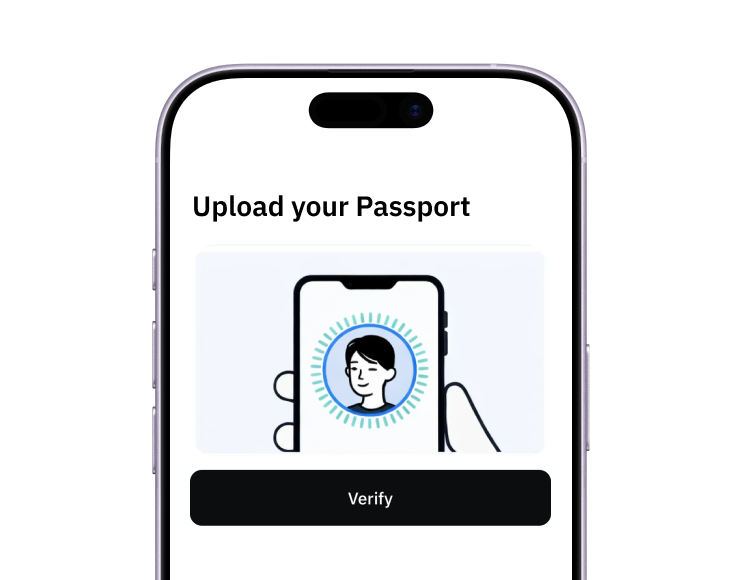
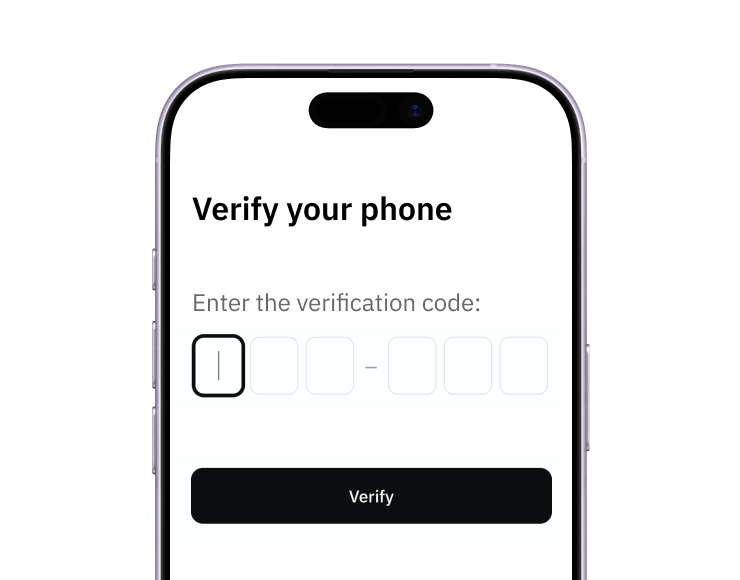
2. Verify
Verify you're a real person in 3 minutes. No US residency required.
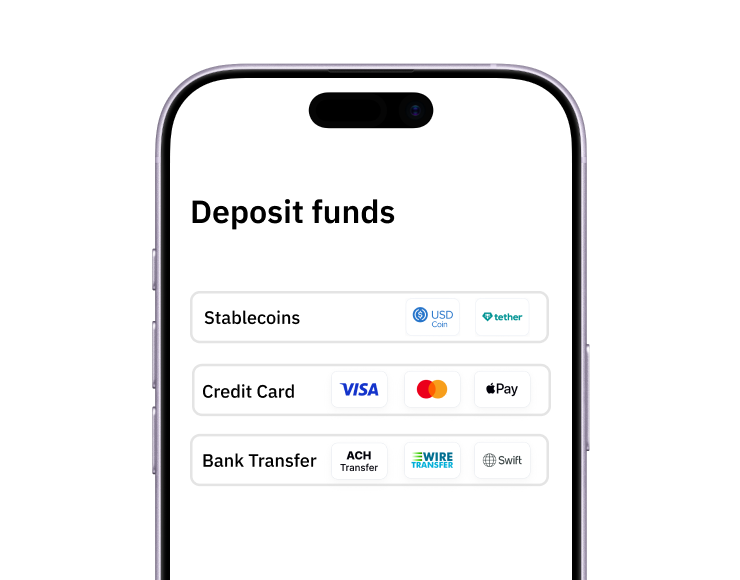
3. Fund
Add funds with a debit/credit card, bank transfer, stablecoins, or crypto.
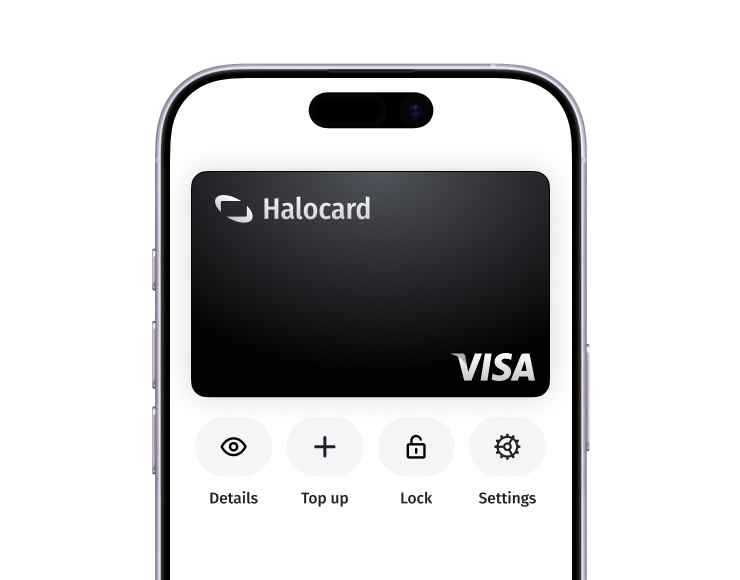
Pay with Virtual Cards
Pay online and in-person wherever Visa is accepted. You can also order a physical Halocard if you prefer.